

England’s journey at the FIFA World Cup 2026 ended in heartbreaking fashion after a dramatic 2-1 semi-final defeat to Argentina. The Three Lions looked on course for a place in the final after Anthony Gordon gave them the lead early in the second half, but late goals from Enzo Fernández and Lisandro Martínez completed another remarkable Argentine comeback.
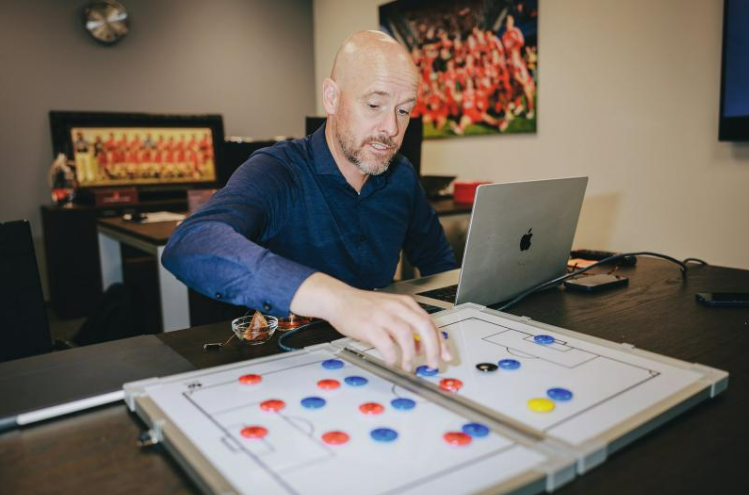
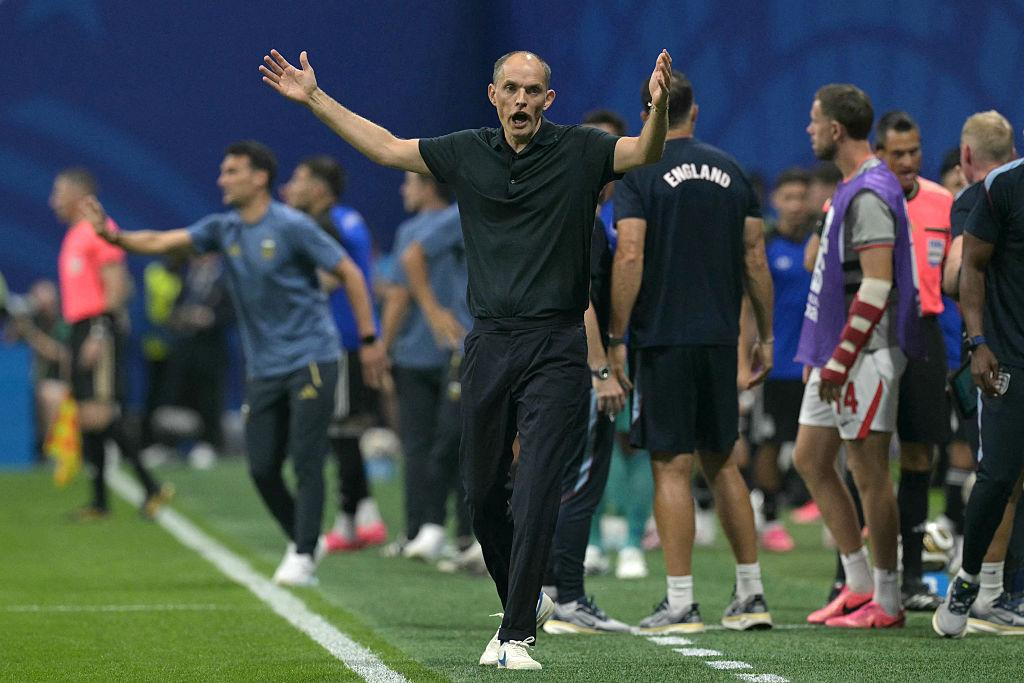
While Lionel Messi’s influence once again proved decisive, much of the post-match discussion centered on England’s tactical approach. Manager Thomas Tuchel chose to protect his narrow advantage by reshaping his team into a more defensive system, a decision that ultimately failed to stop Argentina’s relentless pressure.
The defeat reignited debate over England’s recurring struggles against elite international teams and whether tactical caution once again cost the Three Lions a place in football’s biggest match.
Match Overview
| Competition | FIFA World Cup 2026 |
|---|---|
| Stage | Semi-final |
| Result | England 1-2 Argentina |
| England Scorer | Anthony Gordon |
| Argentina Scorers | Enzo Fernández, Lisandro Martínez |
| England Manager | Thomas Tuchel |
Match Timeline
| Match Period | Key Event |
|---|---|
| First Half | Tight, tactical contest with few clear chances |
| Early Second Half | Anthony Gordon gives England a 1-0 lead |
| Late Second Half | Enzo Fernández equalizes |
| Stoppage Time | Lisandro Martínez scores the winner |
| Full Time | Argentina advance to the World Cup Final |
England Fell Short Against Another Elite Opponent
England entered the tournament as one of the favorites after navigating a difficult route through the knockout rounds.
However, once again, they were unable to overcome one of international football’s strongest nations when the stakes were highest.
The defeat continued a frustrating trend of falling short against world-class opposition in major tournaments.
Anthony Gordon Gave England Hope

Despite Argentina enjoying lengthy spells of possession, England struck first.
Anthony Gordon finished confidently early in the second half, putting the Three Lions within touching distance of a place in the World Cup Final.
At that stage, England appeared to have momentum.
Instead of continuing to press forward, the tactical approach changed significantly.
Tuchel Switched to a Defensive Shape
Following England’s opening goal, Thomas Tuchel introduced additional defensive cover and switched to a five-man defensive structure.
The Tactical Objectives
- Protect the one-goal lead
- Reduce space between defenders
- Force Argentina into wide areas
- Defend deeper inside England’s own half
The strategy was understandable given the quality of Argentina’s attack.
However, it also allowed the defending champions to dominate possession and dictate the tempo during the closing stages.
Argentina Took Complete Control

As England retreated, Argentina steadily increased the pressure.
Their dominance came through:
- Patient possession
- Wide attacking combinations
- Midfield superiority
- Lionel Messi’s creativity
Eventually, the sustained pressure resulted in two decisive goals that completed the comeback.
England found it increasingly difficult to progress beyond the halfway line.
England’s Attack Became Isolated
One consequence of the defensive adjustment was the isolation of England’s attacking players.
Harry Kane frequently found himself:
- Receiving possession far from goal
- Lacking nearby support
- Unable to hold up attacks effectively
As England defended deeper, opportunities to launch meaningful counterattacks became increasingly rare.
Late attacking substitutions arrived only after Argentina had already taken the lead.
Heavy Reliance on Kane and Bellingham

Throughout the tournament, England’s attacking play often revolved around two key players.
| Player | Primary Role |
|---|---|
| Harry Kane | Goals and hold-up play |
| Jude Bellingham | Midfield creativity and progression |
Argentina successfully reduced their influence.
Bellingham faced constant pressure in midfield, while Kane struggled to receive quality service inside the penalty area.
Tactical Balance Was Missing
England’s biggest challenge was finding the balance between protecting their lead and maintaining an attacking threat.
Successful tournament teams often defend intelligently while still posing danger on the counterattack.
Following the tactical change, England gradually lost:
- Possession
- Territory
- Midfield control
- Attacking outlets
That allowed Argentina to dominate the closing stages.
Tactical Comparison
| Category | England | Argentina |
|---|---|---|
| Defensive Approach | Deep Block | High Press |
| Possession After 1-0 | Limited | Dominant |
| Counterattacking Threat | Reduced | Consistent Pressure |
| Midfield Control | Lost Late | Controlled Final Stages |
Statistical Snapshot
| Category | Outcome |
|---|---|
| Final Score | England 1-2 Argentina |
| England Goal | Anthony Gordon |
| Argentina Goals | Enzo Fernández, Lisandro Martínez |
| Second-Half Momentum | Argentina |
| Next Match | England vs France (Third-Place Playoff) |
Lessons England Can Take Forward


Despite the disappointment, England’s tournament offered several positive lessons.
Areas for Improvement
- Greater attacking balance after taking the lead
- Improved ball retention under sustained pressure
- More support around the striker
- Earlier tactical adjustments
- Better game management in the closing stages
With a talented squad that remains relatively young, England have a strong foundation for future tournaments.
Frequently Asked Questions
Why did England lose to Argentina?
England surrendered momentum after taking the lead, allowing Argentina to dominate possession and create sustained attacking pressure that resulted in two late goals.
What tactical change did Thomas Tuchel make?
After England went 1-0 ahead, Tuchel shifted to a more defensive setup with a five-man back line in an attempt to protect the lead.
Who scored in the semi-final?
Anthony Gordon scored for England, while Enzo Fernández and Lisandro Martínez scored for Argentina.
What is England’s next match?
England are scheduled to face France in the FIFA World Cup third-place playoff.
Final Thoughts
England’s World Cup campaign ended with another painful semi-final defeat, and Thomas Tuchel’s tactical decisions will inevitably remain a major talking point. Protecting a narrow lead against the defending world champions was a logical objective, but the deeper defensive approach reduced England’s attacking threat and invited sustained Argentine pressure.
That said, the result cannot be explained by one tactical decision alone. Argentina demonstrated the composure, resilience, and technical quality expected of a world-class side, while England struggled to regain control once momentum shifted. As attention turns toward UEFA Euro 2028, the Three Lions will aim to build on the positives from this tournament while addressing the fine margins that continue to separate them from major international success.