
Germany Have Built One of the Most Structured Teams at the World Cup
Germany arrive at the 2026 FIFA World Cup looking completely different from the side that suffered back-to-back group-stage eliminations.
Since taking charge in 2023, Julian Nagelsmann has built a team with a clear tactical identity based on aggressive possession, relentless pressure and positional discipline. Much of that success comes from the strong Bayern Munich core, with players already familiar with similar tactical principles at club level.
Rather than relying on moments of individual brilliance, Germany aim to overwhelm opponents through collective organization. Every player understands their role, allowing the team to dominate territory and keep opponents pinned inside their own half for long periods.
If everything works as planned, Germany become one of the hardest teams in the tournament to escape from.
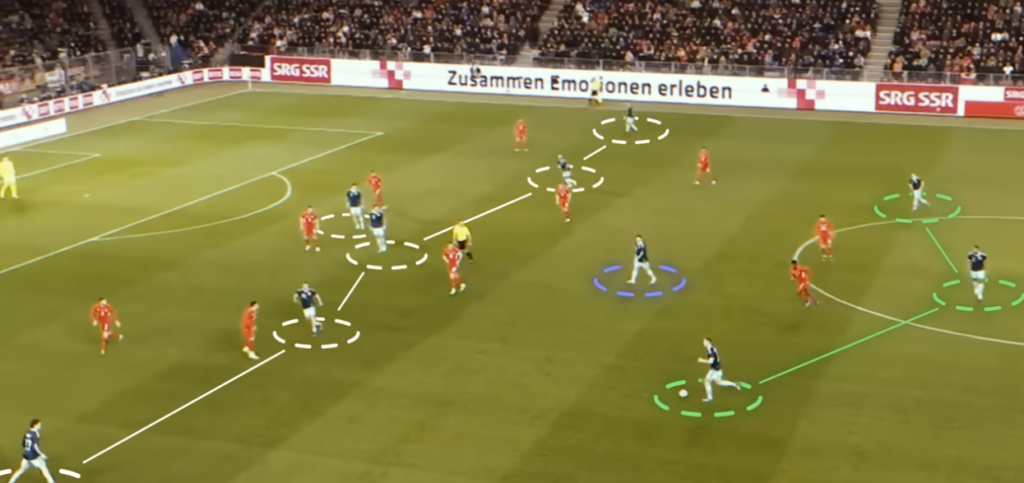
Germany Transform Into a 3-1-6 in Possession
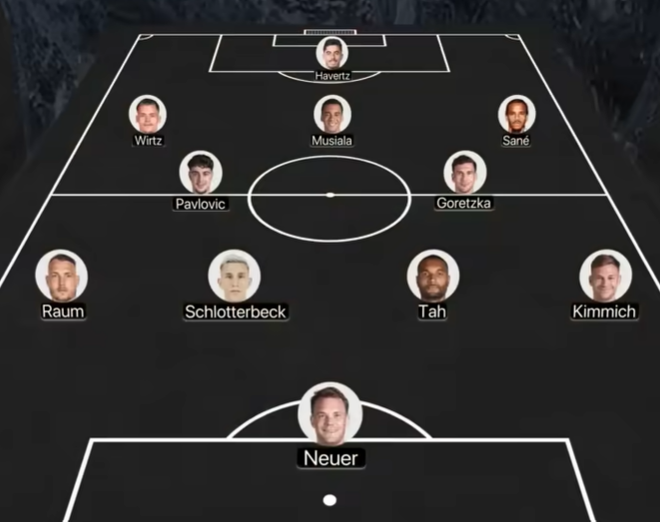
Although Germany are officially listed as a 4-2-3-1, that formation only exists without the ball.
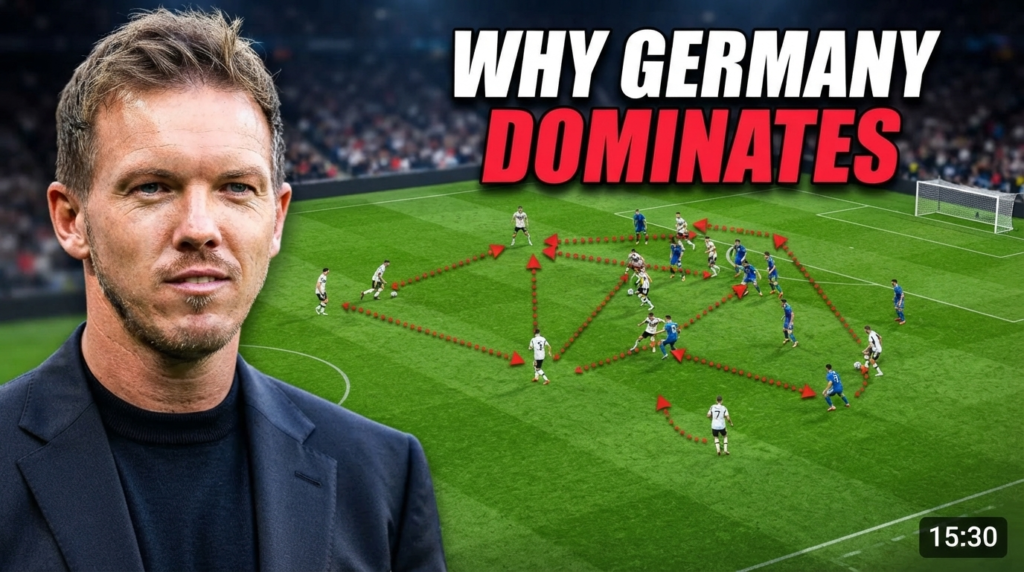
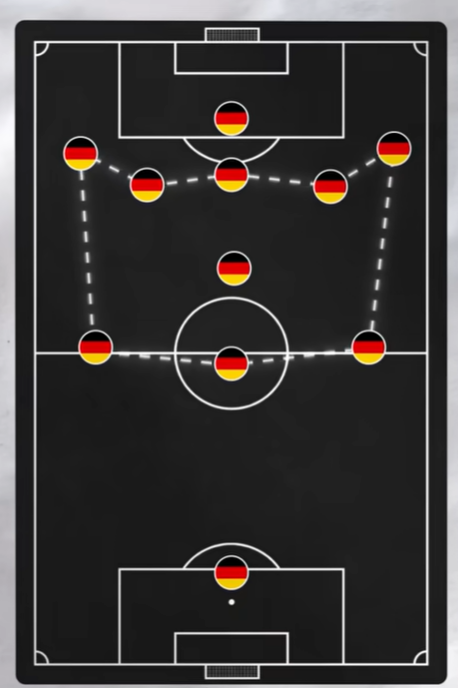
As soon as they begin building attacks, the shape changes dramatically into a 3-1-6.
One full-back moves inside to create a back three, while six attacking players position themselves between the opposition’s defensive lines. The objective is simple: overload the final third and give defenders too many players to mark.
With so many passing options available, Germany can attack centrally through quick combinations or switch play wide whenever the middle becomes congested.
Instead of waiting for chances to appear, Germany continuously create pressure until defensive mistakes eventually happen.
Joshua Kimmich Is the Key to Everything
One of the most misunderstood parts of Germany’s system is Joshua Kimmich’s position.
On paper, he starts at right-back.
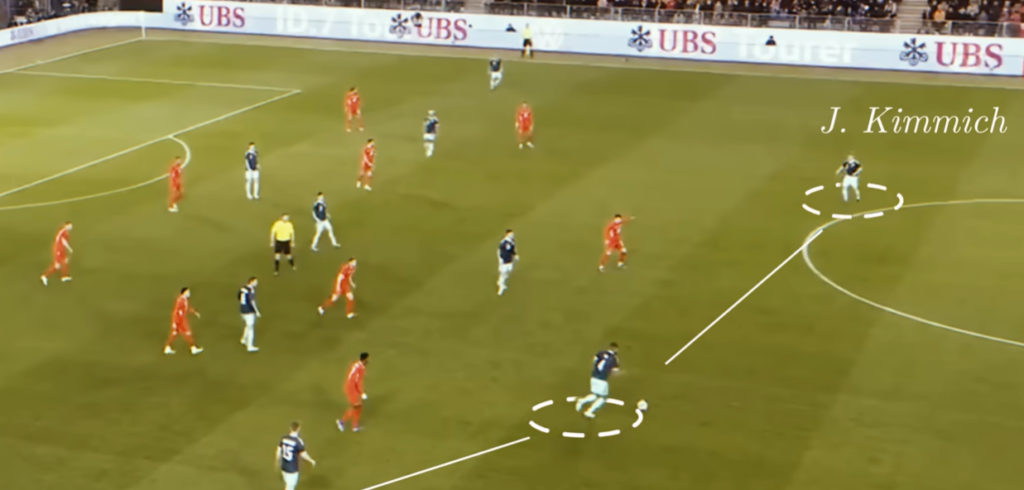
In reality, Kimmich constantly moves inside during possession, becoming an extra midfielder and one of Germany’s main playmakers.
His movement allows Germany to build attacks with numerical superiority while maintaining defensive balance behind the ball.
Alongside Aleksandar Pavlović, Kimmich controls the tempo of possession, constantly offering passing options and switching the play from one side to the other.
Because he understands Nagelsmann’s football so well, Germany rarely lose their structure when he changes positions.
Instead, his movement makes the system even more difficult to defend.
Germany Want to Trap Opponents Inside Their Own Half
Everything Germany do is designed around one objective: keeping the game as far away from their own goal as possible.
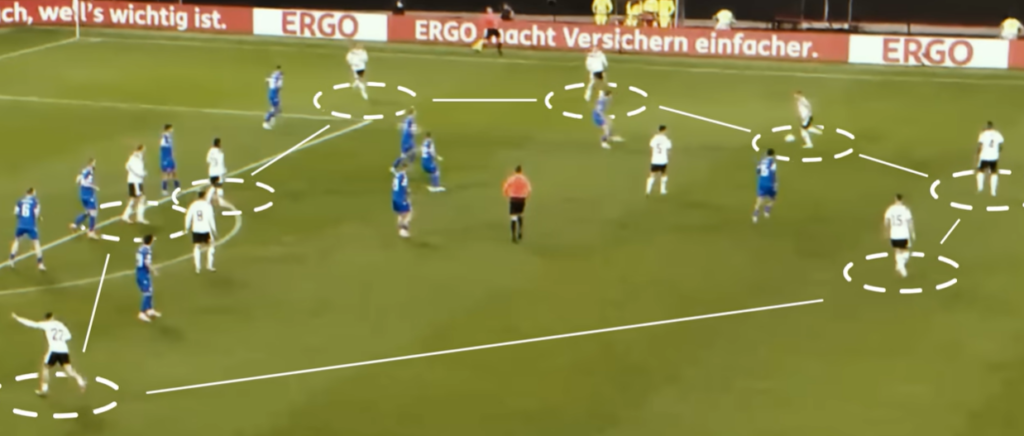
Once possession is established high up the pitch, both centre-backs push forward while the wingers move inside, creating what looks like a possession cage around the opposition.
Passing lanes become limited.
Every attempted clearance is immediately challenged.
If Germany lose the ball, aggressive counter-pressing begins almost instantly.
Rather than retreating into a defensive block, they attempt to win possession back within seconds, allowing wave after wave of attacks.
Against weaker opponents, this strategy has been incredibly effective throughout qualifying because teams simply struggle to escape the pressure.
The longer Germany keep opponents trapped, the more likely defensive mistakes become.
The Biggest Risk Comes When the Press Is Broken
Germany’s aggressive style also creates its biggest weakness.
With six players committed high up the pitch, losing possession in dangerous areas can quickly expose the defence.
If opponents bypass the first wave of pressure, Germany suddenly have large spaces to defend behind their midfield.
This is particularly dangerous because defenders like Jonathan Tah and Nico Schlotterbeck are encouraged to play risky forward passes throughout the match.
Those passes help Germany dominate possession, but they also increase the chance of costly turnovers.
Against elite teams capable of attacking quickly, those moments could become decisive during the knockout stages.
Germany Still Need Someone to Finish the Chances
Another concern is the final third.
Germany consistently create dangerous positions, but converting those chances remains uncertain.
Several attacking stars arrive at the tournament without their best form, while injuries have also reduced Nagelsmann’s options.
The absence of a reliable number nine means Germany often rely on movement between the lines rather than clinical finishing inside the penalty area.
Jamal Musiala remains the player most capable of producing moments of magic, while young talents could emerge during the tournament.
However, if Germany are to challenge for the World Cup, someone must consistently turn domination into goals.
Manuel Neuer Changes Germany’s Outlook
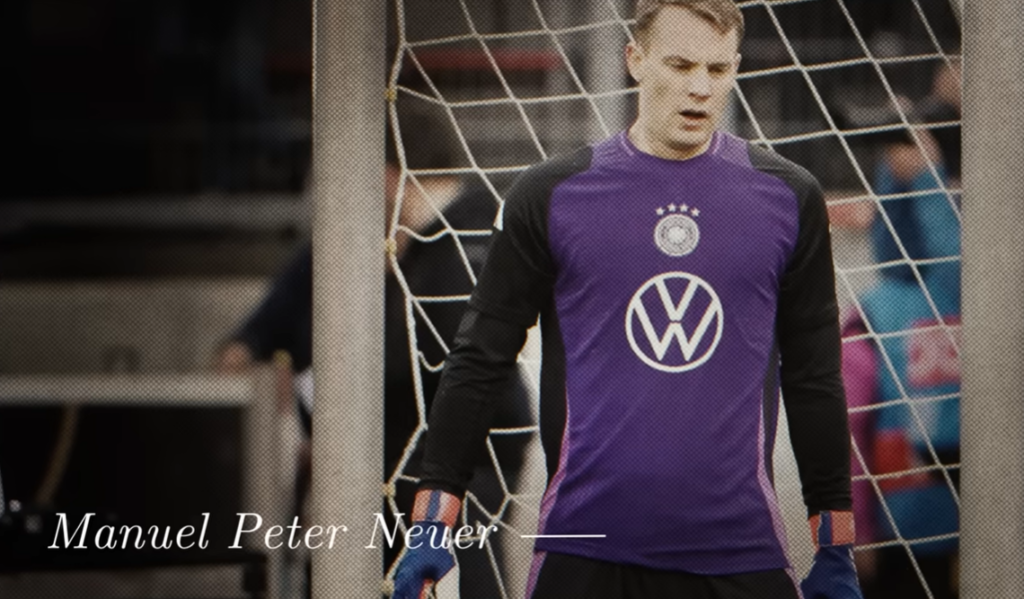
One major boost comes in goal.
The return of Manuel Neuer gives Germany far more security than they would have had otherwise.
Beyond his shot-stopping ability, Neuer’s experience allows Germany to maintain their aggressive defensive line with greater confidence.
Knowing one of the world’s best goalkeepers is protecting the space behind them allows defenders to continue playing boldly without constantly dropping deeper.
For a team built around controlling territory, that reassurance could prove invaluable.
Key Tactical Strengths
| Tactical Area | Germany’s Strength |
|---|---|
| Formation | Flexible 4-2-3-1 that becomes a 3-1-6 in possession |
| Pressing | Aggressive counter-pressing high up the pitch |
| Build-Up | Kimmich controls play from deep |
| Possession | Overloads between the lines create constant pressure |
| Defensive Structure | High defensive line supported by Neuer |
| Team Identity | Strong Bayern Munich core familiar with Nagelsmann’s ideas |
Final Verdict
Germany have become one of the most tactically organized teams at the 2026 FIFA World Cup.
Nagelsmann’s possession-based system, aggressive pressing and intelligent positional rotations allow Germany to dominate territory against almost any opponent. Their ability to transform into a 3-1-6 while maintaining balance makes them one of the tournament’s most sophisticated tactical sides.
However, the same aggression that makes Germany so dangerous also creates vulnerabilities. If opponents escape the press or Germany fail to convert their dominance into goals, knockout football can quickly punish those risks.
Still, with Manuel Neuer’s return, a midfield led by Joshua Kimmich and one of the clearest tactical identities in the competition, Germany have every reason to believe they can challenge the biggest favorites for the 2026 World Cup title.