
Modern football analysis has moved far beyond traditional statistics like goals, assists, and possession. Clubs, analysts, and scouts now rely on advanced metrics to understand how players influence matches in ways that aren’t always visible on the scoresheet. One of the most important of these metrics is the progressive carry.
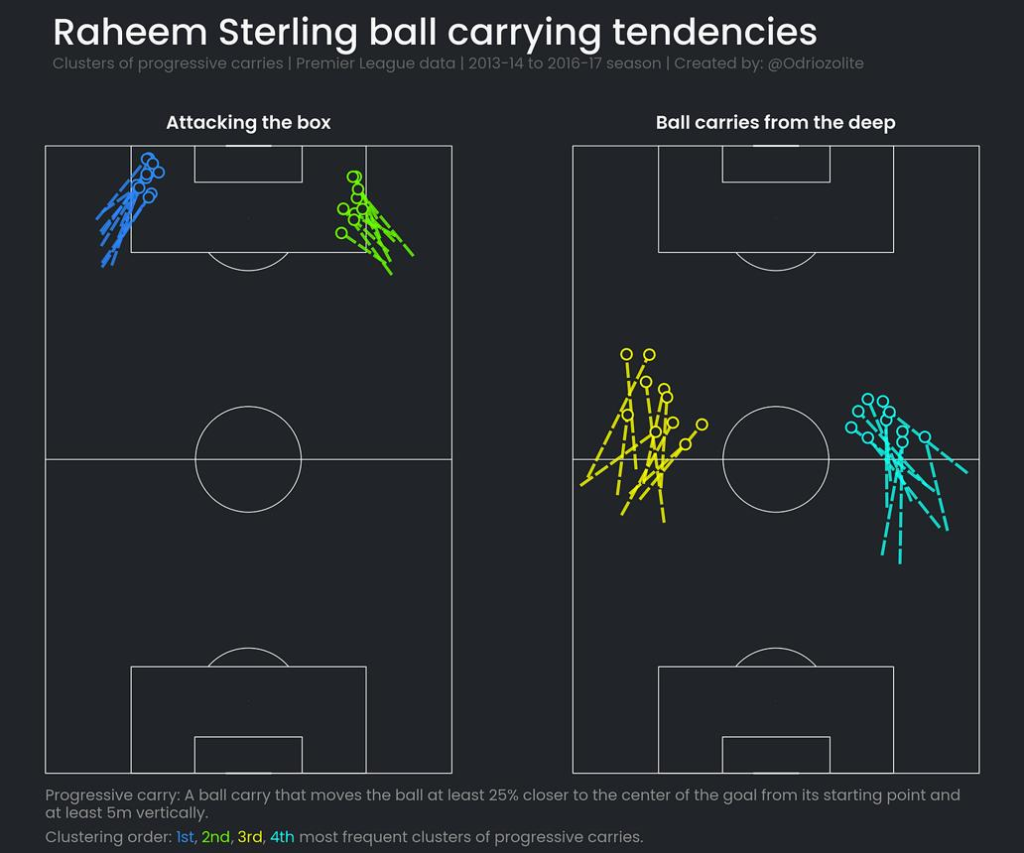
A progressive carry measures how effectively a player advances the ball toward the opponent’s goal by dribbling rather than passing. It highlights footballers who can break defensive lines, escape pressure, and move their team into dangerous attacking positions while maintaining possession.
As more teams adopt data-driven recruitment and tactical analysis, progressive carries have become one of the most closely watched statistics in modern football. Whether you’re following the Premier League, La Liga, Serie A, or international tournaments, understanding this metric provides valuable insight into how teams build attacks and why certain players are so influential.
Quick Overview
| Statistic | Meaning |
|---|---|
| Progressive Carry | Moving the ball significantly closer to the opponent’s goal while maintaining possession |
| Measured By | Distance advanced while dribbling |
| Common Users | Analysts, scouts, coaches, journalists |
| Best For | Measuring ball progression |
| Counts As | Carrying the ball, not passing it |
What Is a Progressive Carry?
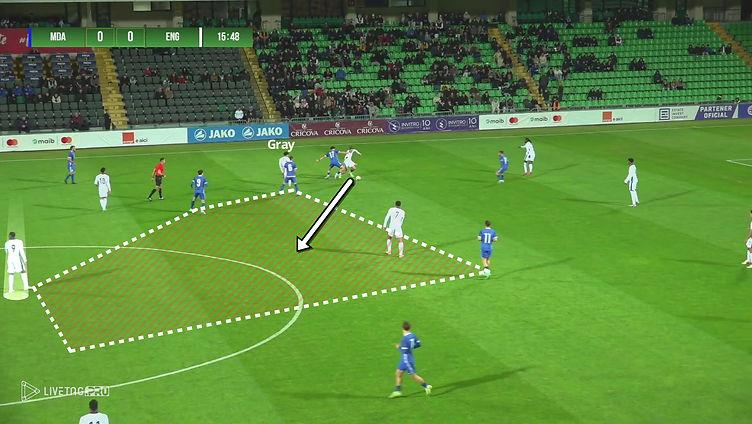
A progressive carry occurs when a player moves the ball forward over a meaningful distance while keeping possession.
Unlike a pass, the player physically dribbles or carries the ball before releasing it, taking a shot, or making another action.
The objective is straightforward:
Advance the team’s attack by moving the ball significantly closer to the opponent’s goal.
This statistic rewards players who can transport possession through midfield, beat opponents with the ball at their feet, and progress attacks without immediately relying on teammates.

Rather than measuring creativity through passing, progressive carries focus on a player’s ability to personally move the game forward while maintaining control of the ball.
Why Progressive Carries Matter
Football isn’t built entirely on passing.
Some of the world’s best players excel at receiving possession and driving forward themselves, forcing defenders to react.
Progressive carries can:
- Break defensive lines
- Eliminate pressing opponents
- Create numerical advantages
- Open new passing lanes
- Launch dangerous counterattacks
- Move the team into advanced attacking positions
Teams that rely on quick transitions or positional play often place enormous value on players who can consistently carry the ball through pressure.
Every successful carry forces defenders to adjust their positioning, often creating space that teammates can exploit moments later.
Progressive Carry vs Progressive Pass
Although these two statistics measure attacking progression, they evaluate completely different skills.
| Progressive Carry | Progressive Pass |
|---|---|
| Player runs with the ball | Player passes the ball forward |
| Uses dribbling | Uses passing |
| Maintains possession personally | Transfers possession to a teammate |
| Measures ball-carrying ability | Measures passing progression |
Both metrics are extremely valuable.
Progressive passes reward vision and distribution, while progressive carries highlight confidence, ball control, and the ability to advance attacks through individual movement.
The world’s best midfielders often rank highly in both categories because they know when to dribble and when to pass.
Which Players Record the Most Progressive Carries?

Some positions naturally produce higher progressive carry numbers because of their responsibilities on the pitch.
Central Midfielders
These players often collect possession deep inside their own half before driving into open space.
Examples include:
- Box-to-box midfielders
- Deep-lying playmakers
- Ball-carrying midfielders
Wingers
Wide attackers frequently carry the ball down the flanks before crossing or cutting inside toward goal.
Full-Backs
Modern attacking full-backs regularly advance beyond midfield, providing width while progressing possession through carries.
Attacking Midfielders
Creative midfielders often dribble between defensive lines before creating chances for teammates or shooting themselves.
What Makes a Good Progressive Carrier?
Not every player who dribbles frequently records a high number of progressive carries. The best ball carriers combine technical quality with intelligent decision-making, allowing them to move attacks forward without regularly losing possession.
Several key attributes separate elite progressive carriers from average dribblers.
Close Ball Control
Maintaining close control is essential when carrying the ball through crowded areas.
Elite players keep the ball within reach even under heavy pressure, allowing them to change direction quickly and protect possession while advancing up the pitch.
Acceleration
A sudden burst of speed can transform an ordinary carry into a dangerous attacking opportunity.
Quick acceleration helps players escape pressing opponents, attack open spaces, and force defenders to retreat toward their own goal.
Vision
Knowing when to carry the ball is just as important as having the ability to do it.
Top players constantly scan the field before receiving possession, identifying spaces they can exploit and recognizing when passing is the better option.
Decision-Making
Successful progressive carriers rarely dribble without purpose.
Instead, they recognize the right moments to drive forward, drawing defenders out of position before releasing the ball at exactly the right time.
Confidence
Progressive carries often require players to take calculated risks.
Carrying possession through midfield or into crowded attacking areas demands composure and self-belief, especially against organized defensive teams.
How Analysts Use Progressive Carries
Professional scouts and performance analysts don’t simply count the total number of progressive carries.
Instead, they evaluate how effective those carries are and whether they genuinely improve the team’s attacking position.
Some of the most common metrics include:
- Carries into the final third
- Carries into the penalty area
- Total distance advanced
- Carries leading to shots
- Carries leading to goals
- Ball retention after carrying
- Progressive carries per 90 minutes
- Progressive carrying success rate
These advanced statistics help clubs identify players who consistently move attacks forward while remaining efficient in possession.
Rather than rewarding players who simply dribble often, analysts focus on carries that create real tactical advantages.
Advantages of Progressive Carries
| Benefit | Impact on the Team |
|---|---|
| Breaks defensive lines | Creates dangerous attacking opportunities |
| Beats the press | Helps escape pressure safely |
| Gains territory | Moves possession into advanced areas |
| Creates overloads | Gives teammates more time and space |
| Starts counterattacks | Increases attacking speed |
| Forces defenders backward | Opens passing and shooting lanes |
Progressive carries are especially valuable against teams defending with compact shapes.
When passing lanes are blocked, a confident ball carrier can force defenders to step forward, creating space elsewhere on the pitch.

Limitations of the Statistic
Although progressive carries are extremely useful, they don’t tell the complete story of a player’s performance.
For example, this metric doesn’t measure:
- Whether the carry resulted in a goal
- Defensive contribution
- Passing quality
- Off-the-ball movement
- Decision-making after the carry
- Overall tactical discipline
Because of these limitations, analysts combine progressive carries with several other advanced statistics to build a more complete player profile.
Common companion metrics include:
- Progressive passes
- Expected assists (xA)
- Expected goals (xG)
- Successful dribbles
- Key passes
- Pass completion percentage
- Shot-creating actions
Looking at multiple statistics together provides a far more accurate understanding of a player’s strengths than relying on any single number alone.
Why Modern Football Values Progressive Carries
Modern football places enormous importance on progressing the ball under pressure.
Many elite teams dominate possession, but opponents often defend with compact structures that limit forward passing options.
In these situations, progressive ball carriers become incredibly valuable.
Rather than forcing risky passes into crowded areas, they drive forward themselves, attracting defenders and creating space for teammates.
Managers increasingly look for players capable of:
- Receiving possession under pressure
- Escaping aggressive pressing
- Breaking midfield lines through dribbling
- Advancing attacks into dangerous areas
- Maintaining possession while moving forward
As a result, progressive carries have become one of the most influential statistics used in recruitment, tactical analysis, and player development across modern football.
Key Takeaways
- A progressive carry measures how effectively a player advances the ball toward the opponent’s goal while keeping possession.
- Unlike a progressive pass, the player personally moves the ball through dribbling rather than passing it to a teammate.
- Central midfielders, wingers, full-backs, and attacking midfielders typically record the highest number of progressive carries.
- Analysts use progressive carries to evaluate ball progression, press resistance, and a player’s ability to move attacks into dangerous areas.
- The statistic becomes even more valuable when combined with advanced metrics such as progressive passes, expected assists (xA), expected goals (xG), successful dribbles, and key passes.
- Modern clubs increasingly rely on progressive carry data when scouting players and analyzing tactical performance.
Frequently Asked Questions (FAQ)
What is a progressive carry in football?
A progressive carry occurs when a player moves the ball a significant distance toward the opponent’s goal while maintaining possession. Instead of passing, the player advances the attack by dribbling into more dangerous areas.
How is a progressive carry different from a progressive pass?
A progressive carry involves a player physically running with the ball, while a progressive pass advances possession by passing the ball to a teammate. Both statistics measure forward progression but evaluate different technical skills.
Which players usually record the most progressive carries?
Ball-carrying midfielders, attacking full-backs, wingers, and attacking midfielders generally produce the highest numbers because they frequently receive possession in areas where they can drive forward.
Why do football analysts value progressive carries?
Progressive carries show which players can break defensive lines, escape pressure, gain territory, and move attacks into dangerous positions while keeping possession. They are an important indicator of a player’s ability to progress play through dribbling.
Are progressive carries enough to evaluate a player?
No. While they are an important metric, analysts combine progressive carries with statistics such as progressive passes, expected assists (xA), expected goals (xG), successful dribbles, key passes, and pass completion to build a complete picture of a player’s overall performance.
Final Thoughts
Progressive carries have become one of the defining statistics in modern football because they highlight a skill that traditional numbers often overlook. While goals and assists dominate headlines, many attacking moves begin with a player confidently driving the ball through pressure and into advanced areas.
Whether it’s a midfielder breaking lines from deep, a winger accelerating past defenders, or a full-back pushing into the attacking third, progressive carries reveal how teams move the ball forward and create opportunities before the final pass or shot.
As football analytics continue to evolve, understanding progressive carries provides fans, coaches, scouts, and analysts with deeper insight into player performance and tactical strategy. When combined with other advanced metrics, this statistic offers a clearer picture of which players consistently help their teams gain territory, control matches, and build dangerous attacks.