

In modern football, controlling the midfield is often the key to controlling a match. Teams need players who can protect the defence, win possession, build attacks and maintain balance when their full-backs move forward.
One tactical system that helps achieve this balance is the double pivot.
Used in formations such as the 4-2-3-1 and 3-4-3, a double pivot involves two deeper midfielders working together in front of the defensive line. Although both players operate in similar areas, they can have different responsibilities depending on the team’s playing style.
But what exactly is a double pivot, how does it work, and why do so many modern managers use it?
Let’s take a closer look.
What Is a Double Pivot in Football?
A double pivot is a midfield partnership consisting of two central or defensive midfielders positioned in front of the centre-backs.
Their main responsibility is to connect the defence with the attacking players while providing protection in central areas.
The two midfielders usually operate close to each other, sharing defensive duties and helping their team maintain possession.
The double pivot is most commonly associated with the 4-2-3-1 formation, where two deeper midfielders play behind an attacking midfielder, often known as the number 10.
However, it can also appear in other tactical systems, including certain variations of the 4-4-2 and 3-4-3.
How Does a Double Pivot Work?
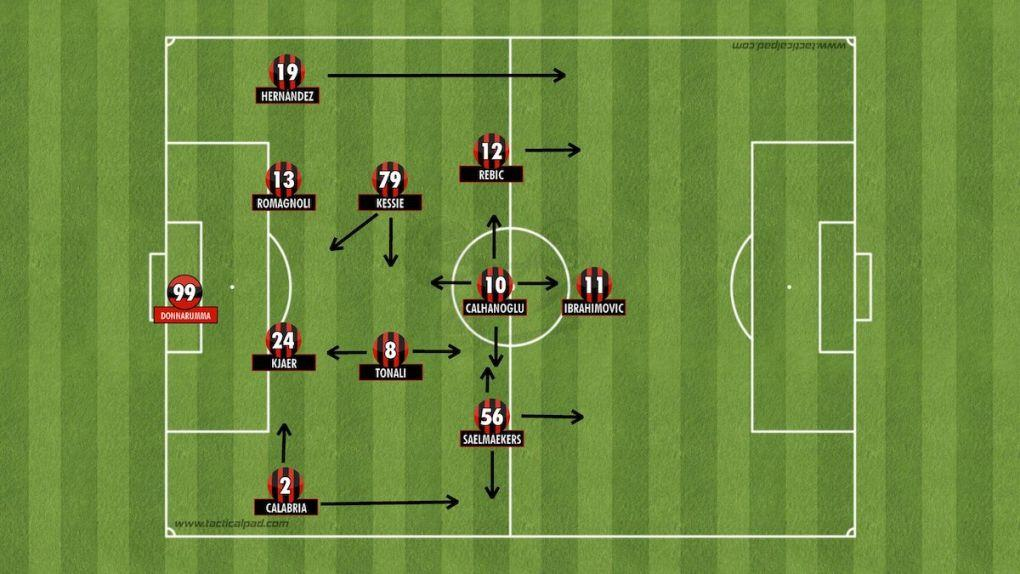
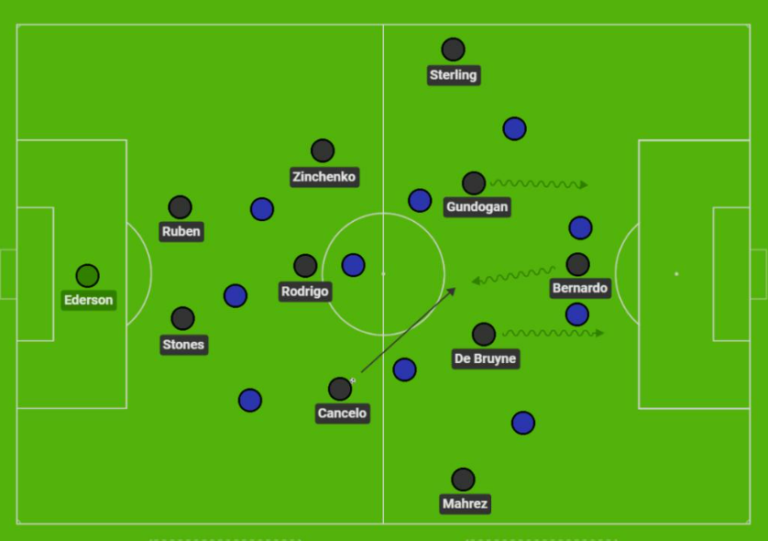
The double pivot works by dividing midfield responsibilities between two players.
Instead of relying on one defensive midfielder to cover the entire central area, the team uses two players who can support each other.
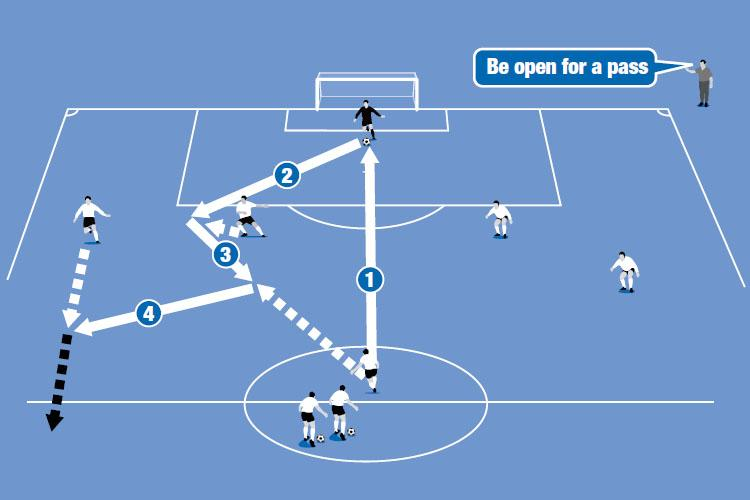
When their team has possession, they provide passing options for the centre-backs and help move the ball into more advanced areas.
When the opposition has possession, they protect the space in front of the defence, close passing lanes and attempt to win the ball back.
Their positioning also allows full-backs to move forward more confidently because the midfield still has players available to provide defensive cover.
1. During Attacking Play
When building attacks, the two midfielders help their team progress the ball from defence to midfield.
They can:
- Receive passes from the centre-backs.
- Distribute the ball to full-backs and wingers.
- Switch play from one side to the other.
- Find attacking midfielders between the opposition’s defensive lines.
- Support possession with short and accurate passes.
One midfielder may also move forward to support an attack while the other remains deeper to protect against counter-attacks.
2. During Defensive Play
Without possession, the double pivot becomes an important defensive barrier.
The two players work together to:
- Protect the space in front of the centre-backs.
- Block passes into the opposition’s attacking midfielders.
- Challenge for loose balls and second balls.
- Support the full-backs when opponents attack from wide areas.
- Help the team maintain a compact defensive shape.
Good communication is essential because both players must understand when to press, when to stay in position and when to cover for their teammate.
What Are the Roles of the Two Midfielders?
Although the two players form a partnership, they do not always have identical responsibilities.
In many teams, each midfielder brings different qualities to the system.
The Defensive Midfielder
The more defensive player usually focuses on protecting the back line.
Typical responsibilities include:
- Intercepting opposition passes.
- Winning tackles and duels.
- Maintaining defensive positioning.
- Covering spaces left by attacking teammates.
- Providing a safe passing option during build-up.
This player often acts as the team’s defensive anchor.
The More Creative or Box-to-Box Midfielder
The second midfielder may have greater freedom to move forward and influence attacking play.
Typical responsibilities include:
- Progressing the ball through midfield.
- Making forward runs.
- Supporting attacking combinations.
- Creating passing opportunities.
- Pressing opponents higher up the pitch.
The exact division of responsibilities depends on the manager’s tactical approach and the players available.
Importantly, both midfielders must be capable of defending and contributing to possession.
Double Pivot vs Single Pivot: What Is the Difference?
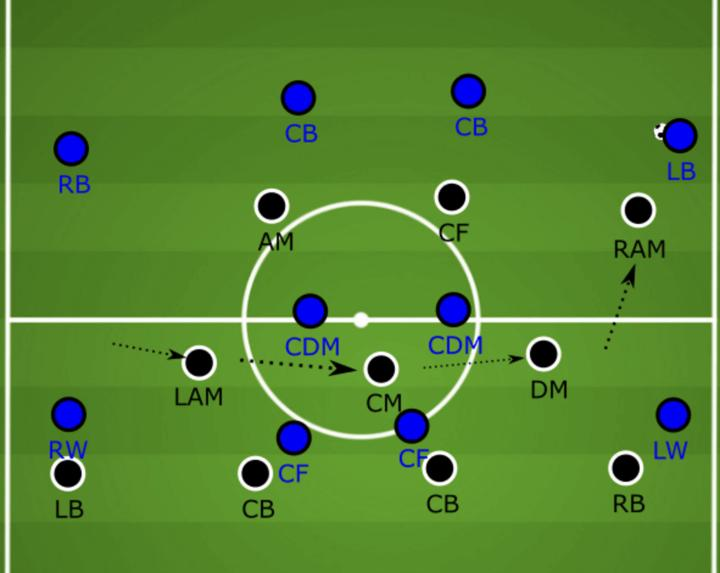
The main difference is the number of players operating in the deeper central midfield position.
A single pivot uses one defensive midfielder, usually positioned between the defence and the more advanced midfielders.
A double pivot uses two players in that area, allowing them to share defensive and passing responsibilities.
Single Pivot
- One player protects the central defensive area.
- More midfielders can occupy advanced positions.
- The defensive midfielder has greater individual responsibility.
- The team may have more attacking players ahead of the ball.
Double Pivot
- Two players share defensive responsibilities.
- The team has additional passing options during build-up.
- Central defensive protection can be stronger.
- One midfielder can move forward while the other provides cover.
Neither system is automatically better. The right choice depends on the team’s players, formation, opponents and tactical objectives.
Why Do Managers Use a Double Pivot?
There are several tactical reasons why managers choose to use two deeper midfielders.
1. Better Defensive Protection
Having two midfielders in front of the defence can make it harder for opponents to attack through central areas.
They can close passing lanes and provide additional support to the centre-backs.
2. Improved Build-Up Play
The double pivot gives defenders more passing options when starting attacks from the back.
The two midfielders can also help the team move possession from one side of the pitch to the other.
3. More Freedom for Full-Backs
When full-backs move forward to support attacks, the double pivot can provide additional cover behind them.
This helps the team maintain balance and reduces the risk of being exposed during counter-attacks.
4. Better Control of Transitions
Transitions happen when a team loses or wins possession.
Two deeper midfielders can help the team react quickly after losing the ball and provide passing options immediately after recovering it.
What Are the Disadvantages of a Double Pivot?
Despite its advantages, the system also has weaknesses.
1. Fewer Players in Advanced Areas
Using two midfielders in deeper positions can reduce the number of players available to attack.
The team may need its full-backs or attacking midfielders to provide additional attacking movement.
2. Risk of Being Outnumbered
An opponent using three central midfielders may create a numerical advantage against the double pivot.
This can make it difficult for the two deeper midfielders to control the centre of the pitch without support.
3. Poor Positioning Can Create Problems
If both midfielders move forward at the same time, the space in front of the defence can become exposed.
Likewise, if both remain too deep, the team may struggle to connect midfield with attack.
4. The Players Must Complement Each Other
Two midfielders with exactly the same strengths and weaknesses may not provide the balance a team needs.
Successful partnerships often combine defensive awareness, passing ability, mobility and intelligent positioning.
Famous Examples of Double Pivot Partnerships
Several successful teams have used double-pivot partnerships to create balance between defence and attack.
N’Golo Kanté and Paul Pogba – France
France used Kanté and Pogba together during their successful 2018 FIFA World Cup campaign.
Kanté provided defensive energy, ball recovery and protection, while Pogba offered passing quality and the ability to move forward with possession.
Their different qualities helped France balance defensive security with attacking creativity.
Declan Rice and Kalvin Phillips – England
During England’s Euro 2020 campaign, Declan Rice and Kalvin Phillips formed an important midfield partnership.
Rice provided defensive protection, while Phillips helped progress possession and support the team’s attacking movements.
Their partnership gave England a solid foundation in midfield.
Xabi Alonso and Javier Mascherano – Liverpool
Liverpool also used a strong midfield partnership between Xabi Alonso and Javier Mascherano during the 2008-09 season.
Alonso was known for his passing range and ability to control the tempo of a match, while Mascherano provided defensive intensity and ball-winning ability.
Their complementary qualities helped Liverpool maintain balance in midfield.
Which Formations Commonly Use a Double Pivot?
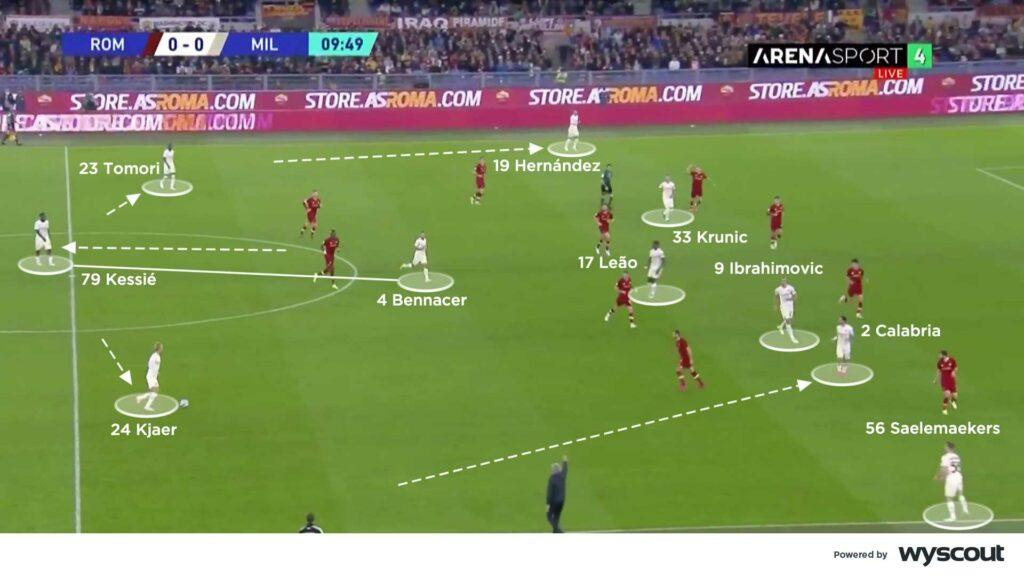
The double pivot can be used in several formations, but some systems make it particularly effective.
4-2-3-1
This is one of the most familiar formations featuring a double pivot. Two deeper midfielders operate behind an attacking midfielder and support the team’s defensive and attacking structure.
4-4-2
Two central midfielders can work as a partnership, sharing responsibility for defending the centre and supporting attacks.
3-4-3
In this formation, two central midfielders often operate behind the attacking players. They help control possession and protect the defensive line, while wing-backs provide width.
Frequently Asked Questions
Is a double pivot the same as two defensive midfielders?
Not necessarily. Both players operate in deeper midfield positions, but one may have more attacking freedom or creative responsibilities than the other.
Is the double pivot only used in a 4-2-3-1?
No. It is commonly used in a 4-2-3-1, but it can also appear in formations such as the 4-4-2 and 3-4-3.
Can a double pivot help a team attack?
Yes. Both midfielders can support build-up play, distribute passes, switch play and create opportunities for more advanced teammates.
What qualities do players need to play in a double pivot?
They need good positioning, passing ability, tactical awareness, communication and the ability to defend under pressure.
Is a double pivot better than a single pivot?
Neither system is universally better. A double pivot provides an additional midfielder in deeper areas, while a single pivot can allow more players to occupy attacking positions.
Final Thoughts
The double pivot has become an important tactical feature in modern football because it offers teams a way to balance defensive protection with attacking support.
By using two deeper midfielders, managers can improve build-up play, protect central spaces and create more flexibility when attacking.
However, the system only works effectively when the two players understand their responsibilities and complement each other’s strengths.
Ultimately, a successful double pivot is not simply about having two midfielders in front of the defence. It is about positioning, communication, movement and teamwork.