

The Netherlands responded brilliantly after their frustrating draw against Japan, producing one of their most impressive performances of the 2026 FIFA World Cup with a commanding 5-1 victory over Sweden.
Ronald Koeman’s side looked far more dynamic in possession, creating overloads across the pitch and overwhelming Sweden with intelligent movement and aggressive attacking play. However, despite the convincing scoreline, the performance also highlighted several defensive weaknesses that stronger opponents may be able to exploit later in the tournament.
A Much More Aggressive Dutch Performance
Compared to the opening draw against Japan, the Netherlands looked transformed.
Koeman maintained his familiar 4-3-3 formation but introduced several tactical adjustments that made the attack significantly more dangerous.
Brian Brobbey operated as the central striker, while Donyell Malen frequently drifted inside instead of remaining wide. This movement created additional space for Denzel Dumfries to push higher on the right flank, while Tijjani Reijnders and Ryan Gravenberch enjoyed far greater freedom to attack advanced areas.
The result was a far more fluid attacking structure that constantly stretched Sweden’s defensive shape.
Midfield Control Made the Difference
One of the biggest improvements came in midfield.
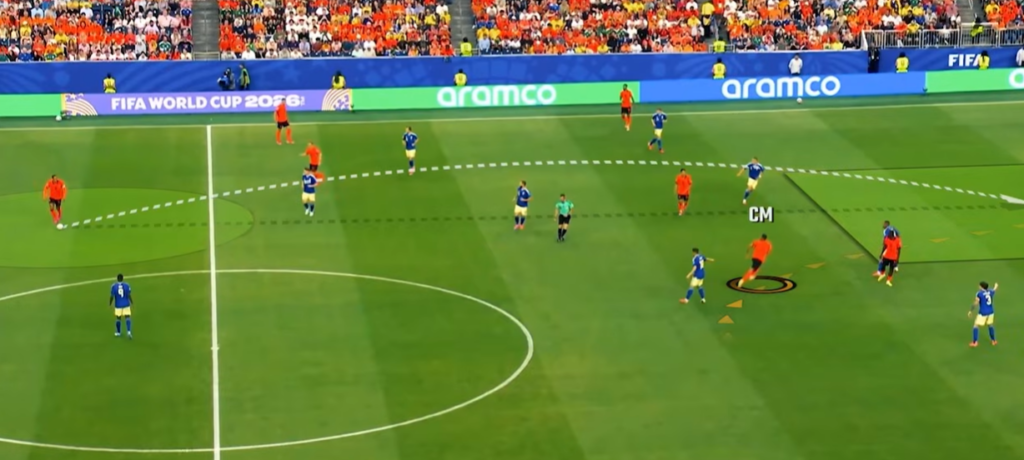
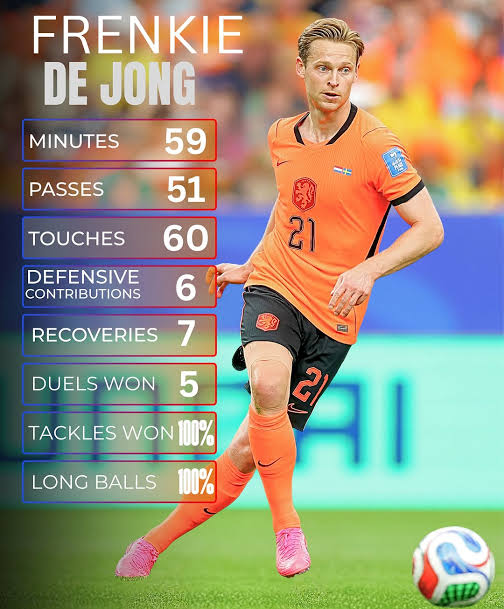
Frenkie de Jong once again dictated the tempo, but this time he received far more support from Gravenberch and Reijnders.
Gravenberch frequently dropped deeper to help build attacks before carrying the ball through midfield with powerful dribbles, while Reijnders made intelligent forward runs that disrupted Sweden’s defensive organization.
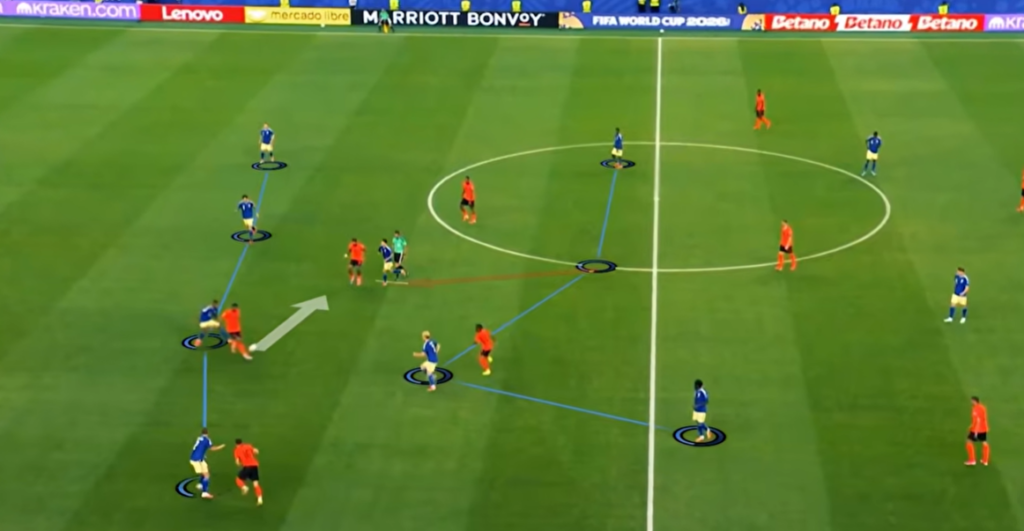
The Dutch midfield consistently created passing triangles and numerical advantages, allowing the team to progress through the thirds with far greater ease than in the opening group match.
Sweden’s passive defensive approach only made life easier, as the Oranje repeatedly found space between the lines.
Sweden’s Tactical Plan Backfired
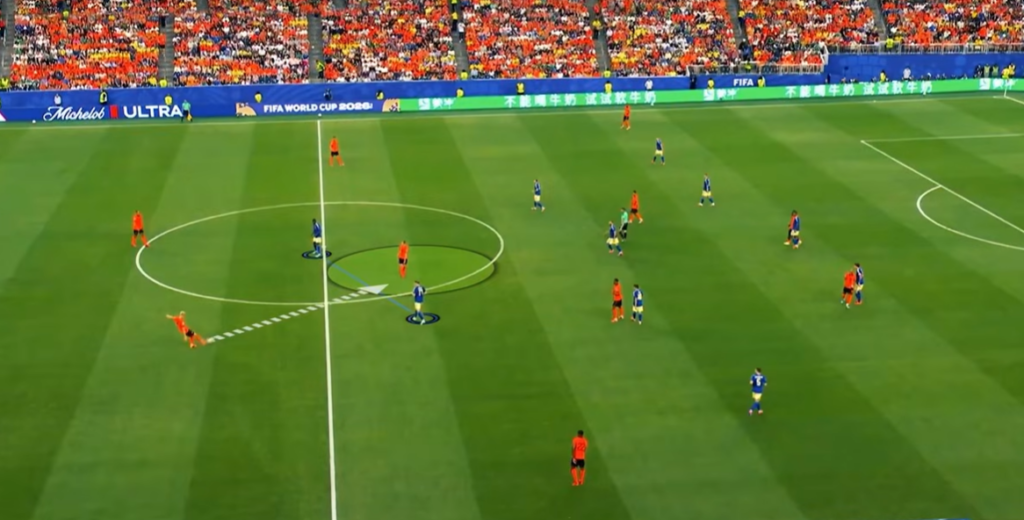
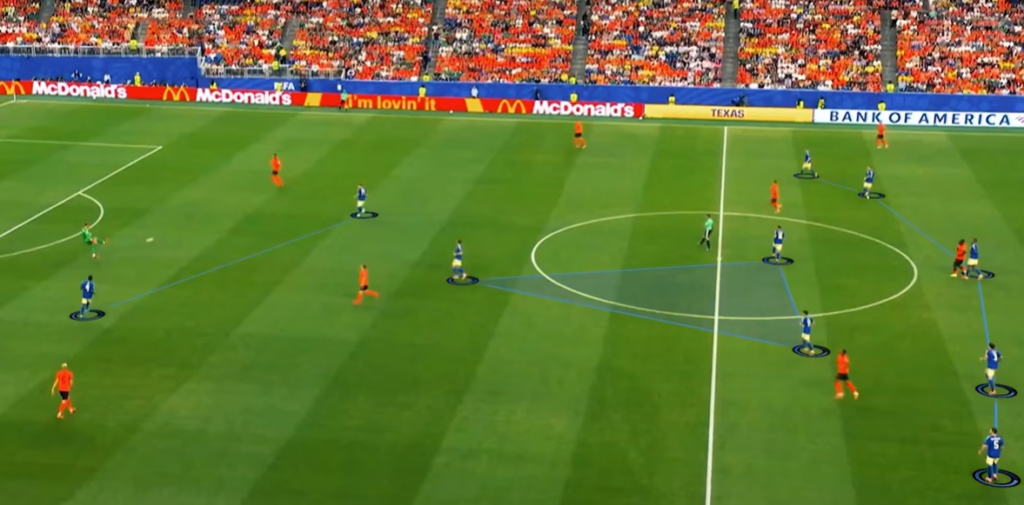
Sweden attempted to defend with a cautious five-man back line, hoping to force the Netherlands into harmless possession.
Instead, the strategy allowed Koeman’s side to dominate territory and patiently work openings.
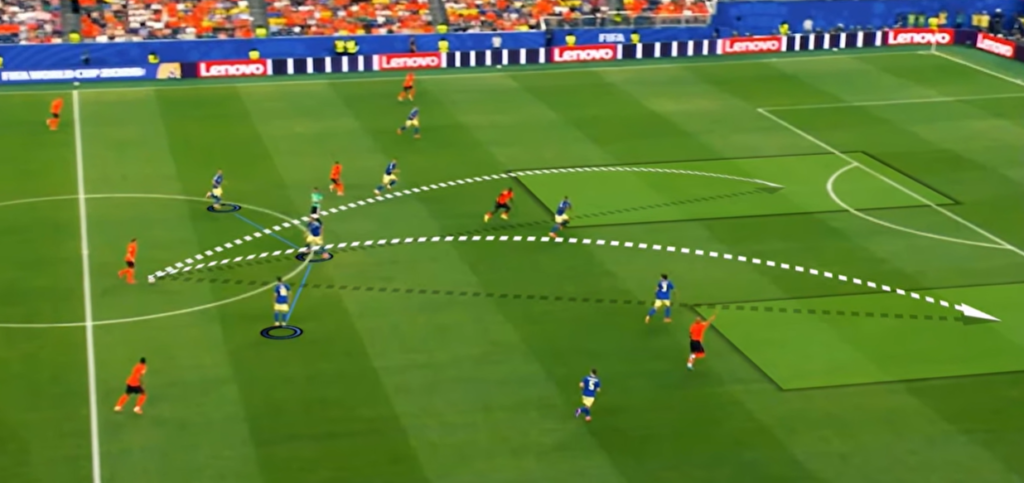
The Dutch repeatedly found Cody Gakpo and Dumfries in dangerous crossing positions, while Brobbey’s intelligent movement occupied multiple defenders and created space for runners arriving from midfield.
Even when Sweden attempted to press higher, the Netherlands remained calm and played through the pressure with impressive composure.
Several of the Dutch goals came after quickly exploiting spaces left behind Sweden’s midfield.
Defensive Problems Still Need Solving
Despite the convincing victory, the performance was far from perfect.
The Netherlands continued to show vulnerabilities whenever Sweden managed to attack quickly.
Communication between the defensive and midfield lines occasionally broke down, leaving dangerous gaps that better opponents could punish.
The Dutch also struggled at times to defend wide areas, while man-marking responsibilities created confusion during transitions.
Sweden failed to capitalize on several promising situations, but stronger teams later in the tournament may not be so forgiving.
Koeman will undoubtedly be pleased with the attacking display, yet the defensive organization remains a work in progress.
Gravenberch Continues to Impress
Ryan Gravenberch produced one of his finest performances for the national team.
His ability to carry the ball through midfield repeatedly broke Sweden’s defensive shape and helped accelerate Dutch attacks.
Combined with De Jong’s control and Reijnders’ movement, the Netherlands suddenly possessed a midfield capable of dominating possession while also creating consistent attacking threats.
If Gravenberch maintains this level throughout the tournament, he could become one of the Oranje’s most influential players.
Sweden Struggled in Every Phase
Sweden never managed to establish any sustained rhythm.
Their pressing lacked intensity, the midfield failed to close passing lanes, and the defensive line often remained too passive when facing Brobbey and the Dutch runners.
Although they managed to score once, Sweden rarely looked capable of matching the Netherlands once the home side established control.
The heavy defeat leaves serious questions about Sweden’s tactical approach against stronger opponents.
Key Match Takeaways
- The Netherlands bounced back brilliantly after drawing with Japan.
- Brian Brobbey’s movement transformed the Dutch attack.
- Frenkie de Jong and Ryan Gravenberch dominated midfield.
- Sweden’s defensive setup struggled to cope with the Netherlands’ fluid movement.
- Defensive communication remains one of Koeman’s biggest concerns despite the convincing scoreline.
Final Verdict
The 5-1 victory over Sweden was exactly the response the Netherlands needed after their disappointing start to the World Cup.
Koeman’s tactical adjustments unlocked a far more dangerous attacking side, with the Oranje creating chances consistently and controlling large periods of the match through intelligent movement and midfield superiority.
However, beneath the emphatic scoreline remain several defensive concerns that stronger opponents are likely to test in the knockout rounds.
If the Netherlands can combine this attacking quality with improved defensive organization, they will have every reason to believe they can challenge for the latter stages of the 2026 FIFA World Cup.