
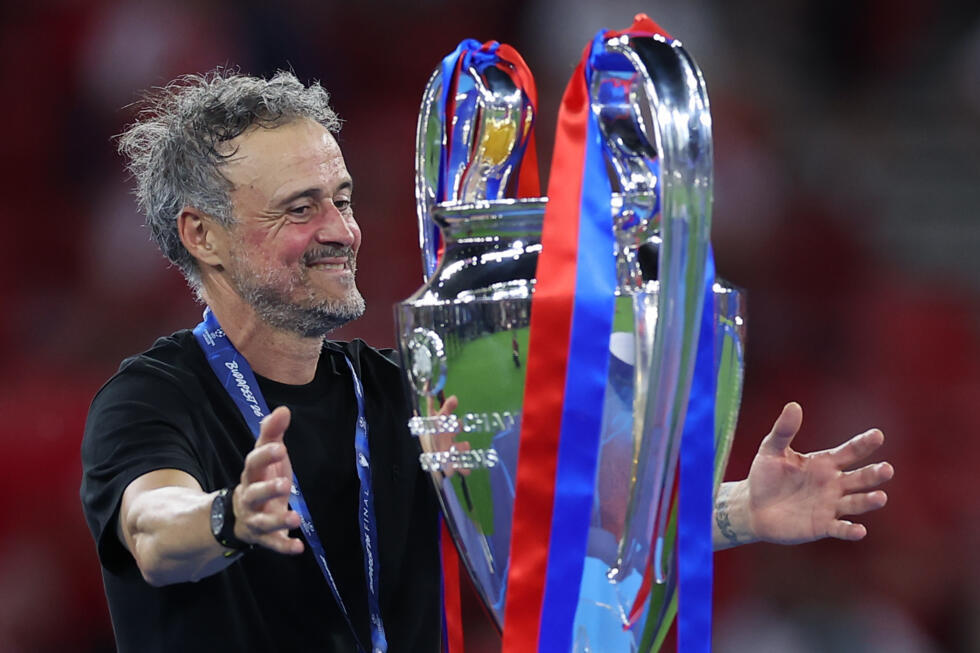
Paris Saint-Germain successfully defended their UEFA Champions League crown after defeating Arsenal 4-3 on penalties following a dramatic 1-1 draw after 120 minutes in Budapest.
In a final that showcased two of Europe’s most organized and tactically intelligent teams, PSG once again demonstrated why they have become the benchmark of modern European football under Luis Enrique. While Arsenal fought bravely and came within a penalty shootout of history, PSG’s control of possession, pressing intensity, and tactical flexibility ultimately made the difference.
The victory sees PSG become the first club since Real Madrid’s famous three-peat to successfully defend the Champions League title.
Match Details
| Competition | UEFA Champions League Final |
|---|---|
| Match | PSG vs Arsenal |
| Venue | Puskás Aréna, Budapest |
| Result | 1-1 (PSG won 4-3 on penalties) |
| Date | May 30, 2026 |
PSG Controlled the Battle from Midfield
Although the match finished level after extra time, PSG were the superior side for long periods.
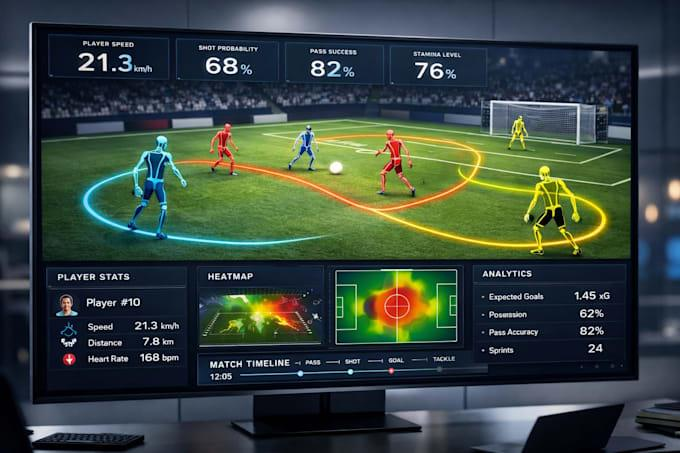
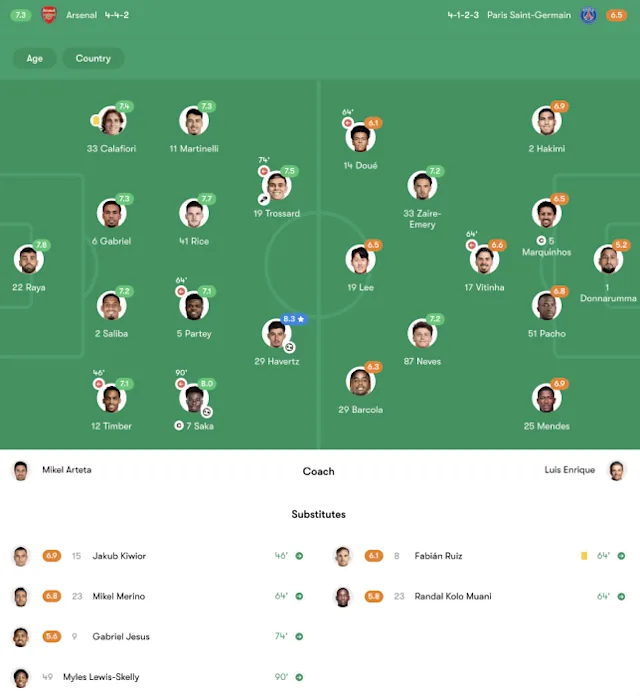
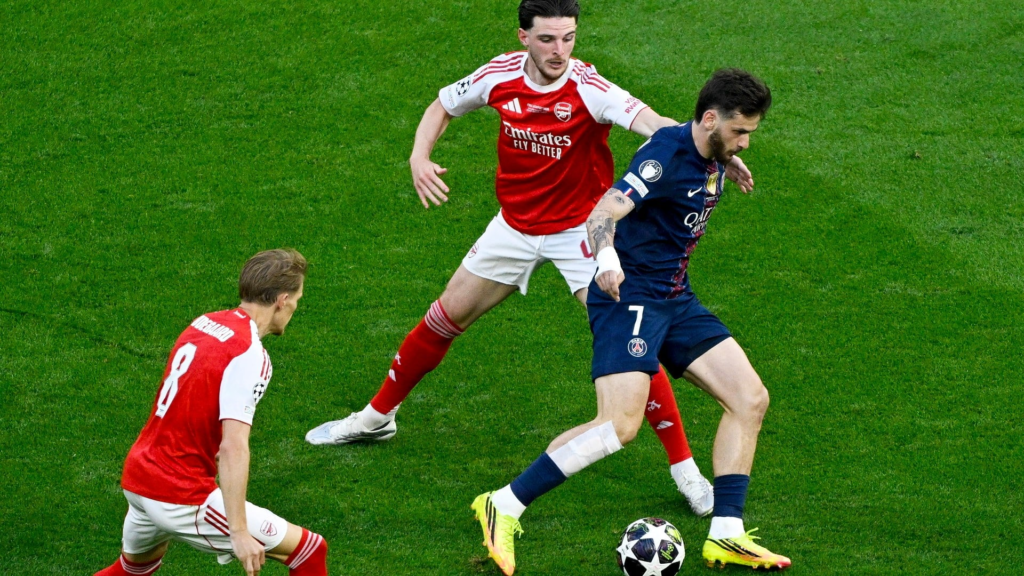
Luis Enrique’s team controlled 62% possession and constantly forced Arsenal to defend deep inside their own half. Vitinha was once again the heartbeat of the team, dictating play with his intelligent positioning and passing range.
Alongside João Neves and Fabian Ruiz, PSG dominated central areas and prevented Arsenal from establishing the rhythm that had carried them to the final.
The French champions consistently recycled possession, switched play effectively, and patiently searched for openings against Arsenal’s disciplined defensive block.
Arsenal Defended Well but Struggled in Possession
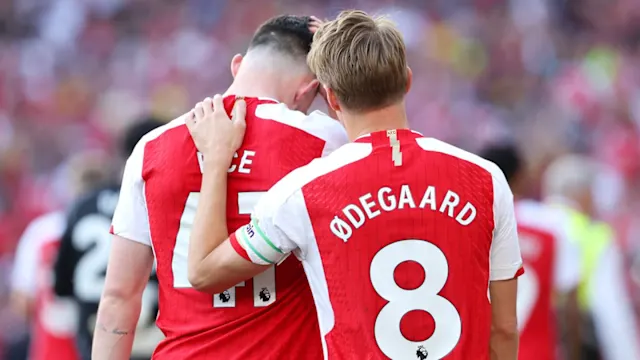
Mikel Arteta’s side entered the final with confidence after an impressive European campaign, but they found it difficult to cope with PSG’s relentless pressure.
Arsenal’s defensive structure remained compact for much of the game, limiting clear-cut opportunities and frustrating PSG during long spells.
However, the Premier League side struggled to build attacks consistently. PSG’s aggressive pressing prevented Arsenal from progressing the ball through midfield, forcing them into longer passes and reducing the influence of key players such as Martin Ødegaard and Kai Havertz.
While Arsenal showed tremendous discipline, they spent too much time without possession to fully impose their style on the game.
Wide Areas Became PSG’s Biggest Weapon
One of the key tactical themes of the final was PSG’s ability to overload wide areas.
Achraf Hakimi and Désiré Doué caused problems down the right flank, while Nuno Mendes and Khvicha Kvaratskhelia constantly stretched Arsenal’s defensive shape on the opposite side.
These movements gradually pulled Arsenal out of position and created the spaces PSG needed to attack.
The equalizing goal came as a direct consequence of this pressure, with Kvaratskhelia winning a penalty after another dangerous attack down the flank. Ousmane Dembélé calmly converted from the spot to bring PSG level before halftime.
The goal was the reward for PSG’s territorial dominance throughout the first half.
Penalties Decide a Tight Final
Despite both teams pushing for a winner in extra time, neither side could find the breakthrough.
Fatigue began to play a role, and clear opportunities became increasingly rare as the game moved toward penalties.
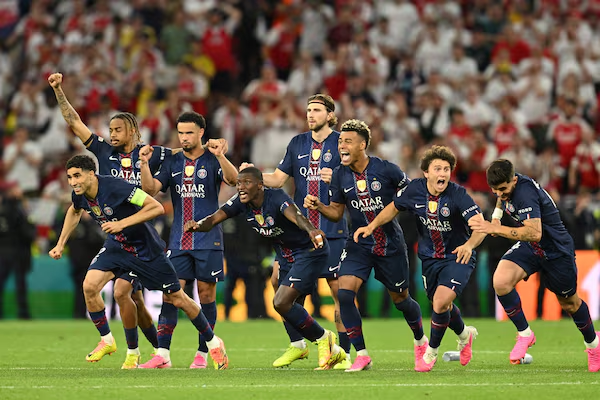
PSG once again showed remarkable composure from the spot. Lucas Beraldo converted the decisive penalty, while Arsenal defender Gabriel missed his effort, handing the trophy to the French champions.
It was another example of PSG’s growing confidence in high-pressure situations, having already won several major finals through penalty shootouts in recent seasons.
Key Performers
⭐ Vitinha (PSG)
The Portuguese midfielder delivered a masterclass in control and distribution.
- Dominated possession
- Controlled the tempo
- Constantly found space between Arsenal’s lines
- Played a crucial role in PSG’s tactical superiority
⭐ Khvicha Kvaratskhelia (PSG)
The Georgian winger was a constant threat and won the penalty that led to PSG’s equalizer.
⭐ Declan Rice (Arsenal)
One of Arsenal’s standout performers despite the defeat, working tirelessly in midfield and helping his side remain competitive throughout the contest.
Why PSG Won
Several factors helped PSG retain the Champions League:
- Superior possession control
- Aggressive and organized pressing
- Tactical flexibility in wide areas
- Strong midfield performances
- Excellent penalty shootout execution
While Arsenal defended admirably, PSG consistently dictated the flow of the match and looked the more likely winners over the course of 120 minutes.
Final Verdict
This Champions League final was not decided by moments of individual brilliance alone. It was won through structure, organization, and tactical excellence.
Luis Enrique has built one of Europe’s most complete teams, capable of controlling matches with or without the ball. PSG’s ability to dominate possession, press aggressively, and remain composed under pressure proved decisive once again.
Arsenal can be proud of an outstanding European campaign, but PSG showed why they remain the team to beat in European football.