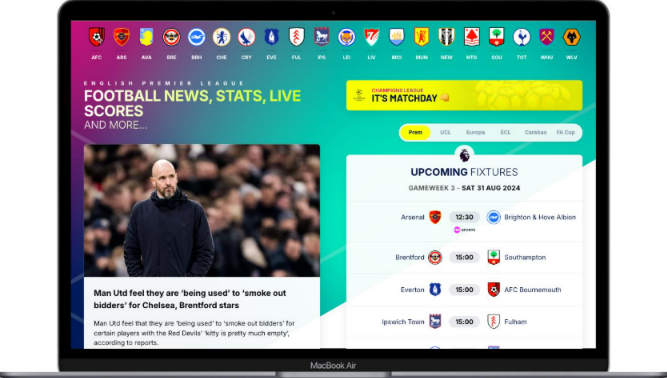


Every transfer window brings excitement, speculation, and thousands of rumors. Fans eagerly refresh social media, sports websites, and news apps hoping for updates about their favorite clubs. But while some reports turn out to be accurate, many others are based on speculation or unverified information.
Knowing which transfer sources are reliable can help you separate genuine news from clickbait. Some journalists have built strong reputations through years of accurate reporting, while others often publish rumors without solid evidence.
In this guide, we’ll explain how football transfer reporting works, the different types of sources, and what makes certain journalists and media outlets more trustworthy than others.
How Football Transfer News Begins
A transfer rarely becomes official overnight.
Most deals go through several stages before a club announces the signing.
Typical Transfer Timeline
| Stage | What Happens |
|---|---|
| Initial Interest | Club identifies the player as a target |
| Contact | Clubs or agents begin discussions |
| Negotiations | Transfer fee and contract are negotiated |
| Agreement | Clubs and player agree on terms |
| Medical | Player completes medical examinations |
| Contract Signing | Official documents are signed |
| Announcement | Club officially unveils the player |
Different journalists receive information at different stages, which explains why reports sometimes vary.
Types of Football Transfer Sources

Not every transfer report comes from the same place.
Official Club Announcements
Official statements from clubs remain the most reliable source because they confirm completed transfers.
These announcements usually include:
- Official photos
- Contract details
- Player interviews
- Manager comments
Football Journalists
Experienced transfer reporters often have direct relationships with:
- Club executives
- Sporting directors
- Scouts
- Player agents
- Football intermediaries
Because of these contacts, they often report news before clubs make official announcements.
Sports News Websites
Major football websites verify information before publication.
They usually report:
- Negotiations
- Injury updates
- Contract renewals
- Loan deals
- Transfer developments
The best outlets distinguish between confirmed information and ongoing discussions.
Player Agents
Agents frequently communicate with journalists.
Sometimes they reveal genuine information.
Other times they may strategically increase media attention to improve a player’s market value.
Social Media
Social platforms spread football news faster than ever.
Advantages include:
- Instant updates
- Direct journalist posts
- Official club announcements
- Fan discussions
However, they also spread misinformation quickly, making verification essential.
What Makes a Transfer Source Reliable?
Reliable journalists usually follow several important principles.
They typically:
- Verify information with multiple sources.
- Separate rumors from confirmed facts.
- Avoid sensational headlines.
- Correct mistakes openly.
- Prioritize long-term credibility.
Over multiple transfer windows, consistency becomes one of the strongest indicators of trustworthiness.
Understanding Transfer Rumors
Many transfer rumors begin with genuine discussions.
However, negotiations don’t always end with a completed transfer.
Deals can collapse because of:
- Contract disagreements
- Failed medical examinations
- Financial issues
- Player preferences
- Competing offers
- Club strategy changes
This is why even highly respected journalists sometimes report negotiations that never become official transfers.
Common Transfer Phrases Explained
| Phrase | Meaning |
|---|---|
| Interested | Club is monitoring the player |
| In Talks | Negotiations have started |
| Advanced Talks | Discussions are progressing positively |
| Agreement Reached | Clubs or player have agreed on terms |
| Medical Scheduled | Transfer is close to completion |
| Here We Go | Reporter believes the deal is effectively completed |
| Official | Club has announced the signing |
Understanding this terminology helps supporters interpret transfer reports more accurately.
The Most Trusted Types of Sources

While no journalist is perfect, some types of sources consistently prove more reliable than others.
Generally Trusted Sources
| Source Type | Reliability |
|---|---|
| Official Club Statements | ⭐⭐⭐⭐⭐ |
| Club Websites | ⭐⭐⭐⭐⭐ |
| Established Transfer Journalists | ⭐⭐⭐⭐☆ |
| Major Sports Newspapers | ⭐⭐⭐⭐☆ |
| Local Club Reporters | ⭐⭐⭐⭐☆ |
| Fan Accounts | ⭐⭐☆☆☆ |
| Anonymous Social Media Posts | ⭐☆☆☆☆ |
The closer a source is to the club or player, the more reliable the information tends to be.
Why Different Reports Sometimes Conflict
Supporters often notice journalists reporting different versions of the same story.
This happens because:
- Negotiations change rapidly.
- Different sources have different information.
- Clubs deliberately keep deals private.
- Agents release selective information.
- Financial terms continue to evolve.
A transfer can look unlikely in the morning and be almost completed by the evening.
The Role of Social Media

Social media has completely changed football journalism.
Benefits include:
- Faster breaking news
- Direct communication from reporters
- Immediate club announcements
- Instant fan reactions
However, fake screenshots, parody accounts, and fabricated rumors also spread quickly.
Always check whether multiple trusted journalists are reporting the same story.
How Journalists Verify Information
Professional transfer reporters rarely rely on a single conversation.
Instead, they often:
- Contact multiple club sources.
- Speak with player representatives.
- Verify financial details.
- Confirm negotiations independently.
- Cross-check information before publishing.
This process greatly improves reporting accuracy.
Tips for Evaluating Transfer News

Before believing a transfer story, ask yourself:
- Is the journalist known for accurate reporting?
- Have multiple trusted reporters confirmed it?
- Does the article separate facts from speculation?
- Has either club commented publicly?
- Does the headline match the article itself?
Patience often produces a clearer picture than reacting to the very first rumor.
Why Transfer Reporting Is So Difficult
Even elite journalists work in a rapidly changing environment.
Negotiations can change because of:
- Last-minute bids
- Wage disagreements
- Agent commissions
- Medical results
- Financial Fair Play regulations
- Player decisions
Good reporting reflects the situation at the time of publication, not necessarily the final outcome.
The Future of Football Transfer Reporting
Technology continues to reshape football journalism.
Future developments may include:
- AI-assisted news verification
- Real-time contract tracking
- Personalized transfer alerts
- Faster fact-checking systems
- Interactive transfer timelines
- Advanced data visualization
Despite these innovations, trust, accuracy, and responsible journalism will remain the most valuable qualities.
Frequently Asked Questions

Why do transfer rumors often fail?
Negotiations can collapse because of disagreements over transfer fees, player wages, contract length, medical issues, or competing offers from other clubs.
Are social media transfer accounts reliable?
Some are run by respected journalists, while many others simply repeat rumors. Always verify information through multiple trusted sources.
Why do journalists report different information?
Different reporters have different contacts, and negotiations evolve constantly. A report may be accurate when published but become outdated as talks continue.
When is a transfer truly confirmed?
A transfer is officially confirmed only when the club announces it through its official website or social media channels.
Final Thoughts
Football transfer windows create excitement unlike any other period in the sport, but they also generate countless rumors and speculation. Understanding how transfer reporting works helps supporters distinguish between early negotiations, reliable information, and unverified gossip.
The most trustworthy transfer sources earn their reputation through careful verification, transparency, and years of consistent reporting. By relying on respected journalists, official club announcements, and established sports media, football fans can enjoy the drama of the transfer market while avoiding much of the misinformation that spreads during every transfer window.