

7
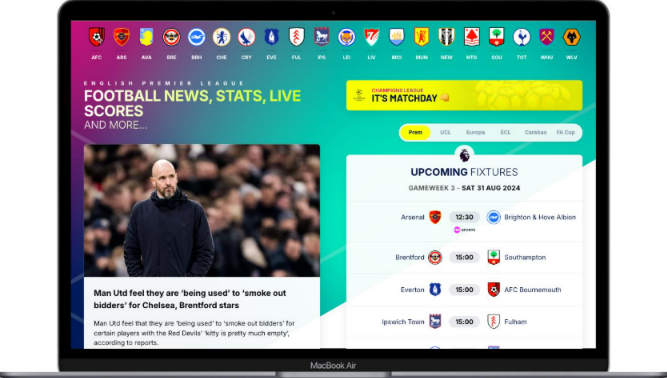
Football websites have experienced one of the most remarkable digital transformations in sports over the past two decades. At the beginning of the 2000s, most websites offered little more than fixtures, league tables, and short match reports. Today, they deliver live statistics, tactical analysis, AI-powered insights, transfer trackers, interactive graphics, and personalized content to millions of supporters around the world.
As football’s global audience has grown, websites have evolved from simple information pages into complete digital ecosystems that serve fans before, during, and after every match. The rise of smartphones, social media, streaming platforms, and artificial intelligence has completely changed how supporters consume football content.
Let’s explore the key milestones that transformed football websites from 2000 to today and examine what the future may bring.
Evolution Timeline
| Period | Biggest Innovation |
|---|---|
| 2000-2004 | Basic football news websites |
| 2005-2009 | Live scores and fan forums |
| 2010-2014 | Mobile-friendly design and social media |
| 2015-2019 | Advanced statistics and tactical analysis |
| 2020-2023 | Video integration and personalized content |
| 2024-2026 | AI-powered football journalism |
2000-2004: The Beginning of Digital Football
At the start of the century, football websites were relatively simple.
Most clubs and sports publications focused on publishing:
- Match reports
- Fixtures
- League tables
- Club announcements
- Basic player profiles
Website designs were minimal, often consisting of static HTML pages with slow loading times and very limited multimedia content.
Supporters usually visited football websites after matches because live updates were still uncommon.

2005-2009: Live Scores Changed Everything
As internet speeds improved, football fans expected information instantly.
This period introduced several important features:
- Live score updates
- Minute-by-minute text commentary
- Match statistics
- Transfer rumor sections
- Fan discussion forums
Football websites became a second screen during matches.
Online communities also flourished, with supporters debating tactics, transfers, and managerial decisions long before social media became mainstream.
2010-2014: The Smartphone Revolution
Smartphones completely transformed football journalism.
Responsive design became essential as supporters increasingly followed matches while travelling, working, or commuting.
Major innovations included:
- Mobile optimization
- Push notifications
- Twitter integration
- Facebook sharing
- Instant breaking news alerts
Football news became available within seconds, and publishers competed to deliver updates faster than ever before.
2015-2019: Statistics Became Mainstream
Football supporters wanted more than final scores.
Advanced analytics entered everyday football coverage.
Popular metrics included:
- Expected Goals (xG)
- Possession maps
- Heat maps
- Progressive passes
- Pressing statistics
- Player comparison tools
Football websites shifted from simply reporting matches to explaining why games unfolded the way they did.
Tactical analysis also became increasingly popular during this period.

2020-2023: Multimedia Takes Centre Stage
Football websites evolved into complete multimedia platforms.
Instead of relying solely on written articles, publishers increasingly featured:
- Match highlights
- Interactive graphics
- Podcasts
- Match simulations
- Short-form videos
- Live blogs
Supporters expected every major story to include visual content.
Search engines also rewarded richer user experiences, encouraging publishers to invest more in quality and engagement.
2024-2026: Artificial Intelligence Enters Football Media
Artificial intelligence has rapidly transformed football publishing.
Many websites now use AI to assist with:
- Breaking news summaries
- Statistical analysis
- Match previews
- Personalized recommendations
- Automated live updates
- Data visualization
Rather than replacing journalists, AI helps automate repetitive tasks, allowing writers to spend more time producing detailed analysis and storytelling.
Independent football publishers have also benefited by creating higher-quality content more efficiently.
How Football Websites Have Changed
| 2000 | 2026 |
|---|---|
| Static pages | Dynamic experiences |
| Basic text articles | Multimedia storytelling |
| Desktop only | Mobile-first design |
| Manual updates | Real-time automation |
| Limited statistics | Advanced analytics |
| One-size-fits-all | Personalized content |

The Rise of SEO in Football Journalism
Search engines have fundamentally changed how football articles are created.
Modern football publishers now focus on:
- Keyword optimization
- Fast page speed
- Clear heading structure
- Internal linking
- Featured snippets
- Evergreen content
- Data-driven match analysis
Rather than simply reporting results, successful websites create content that remains useful long after matches have finished.
This strategy generates both immediate traffic and long-term visibility in search engines.
What the Future Could Look Like
Football websites are likely to become even more interactive over the coming years.
Future innovations may include:
- AI-generated tactical animations
- Personalized match summaries
- Voice-controlled football assistants
- Augmented reality statistics
- Interactive 3D match replays
- Predictive transfer models
- Real-time multilingual coverage
As technology continues to advance, supporters will expect richer, smarter, and more personalized experiences.
By the Numbers
| Number | Meaning |
|---|---|
| 25+ Years | Period covered in football’s digital transformation |
| Millions | Fans visiting football websites daily |
| 24/7 | Continuous football news cycle |
| Thousands | Matches tracked by leading football platforms each season |
Did You Know?
- 🌐 Early football websites mainly published fixtures, results, and brief match reports.
- 📱 Mobile devices now generate the majority of traffic for many football websites worldwide.
- 📊 Advanced metrics such as Expected Goals (xG) and Progressive Passes have become standard features on leading football platforms.
- 🤖 Artificial intelligence is increasingly helping publishers create faster, more personalized football content.
Final Thoughts
The evolution of football websites since 2000 mirrors the changing expectations of football supporters. What began as simple pages displaying fixtures and results has become a sophisticated digital ecosystem featuring live coverage, tactical analysis, advanced statistics, multimedia storytelling, and personalized experiences.
As artificial intelligence, data analytics, and immersive technologies continue to evolve, football websites will become even smarter and more interactive. The next generation of platforms will do far more than report the game. They will help supporters understand it, experience it, and connect with football in ways that once seemed impossible.