

Why Football Databases Matter More Than Ever
Modern football is built on information as much as talent.
Every pass, tackle, shot, sprint and goal is recorded somewhere, creating enormous databases that help clubs, journalists, coaches and supporters understand the game better than ever before.
Whether you’re researching a player’s career, checking historical World Cup records or analyzing team performances, football databases have become essential resources for almost everyone involved in the sport.
In this guide, we’ll explain what football databases are, how they work, and why they have become one of football’s most valuable digital resources.
Quick Summary
| Topic | Details |
|---|---|
| Purpose | Store football statistics and historical records |
| Users | Fans, clubs, scouts, journalists, analysts |
| Information | Matches, players, teams, competitions, transfers |
| Updated | Daily or live depending on the platform |
What Is a Football Database?
A football database is a digital collection of information covering almost every aspect of the game.
Instead of simply publishing match reports, these platforms organize millions of pieces of data into searchable records. Users can quickly find player statistics, team performances, historical results, transfer histories and competition records from leagues all over the world.
Some databases focus mainly on professional football, while others also include youth competitions, women’s football and lower divisions.
What Information Do Football Databases Store?
Most major football databases include far more than goals and assists.
Typical information includes:
- Player profiles
- Career statistics
- Match results
- League tables
- Team lineups
- Transfers
- Injuries
- Competition history
- International appearances
- Stadium information
- Referee statistics
- Club records
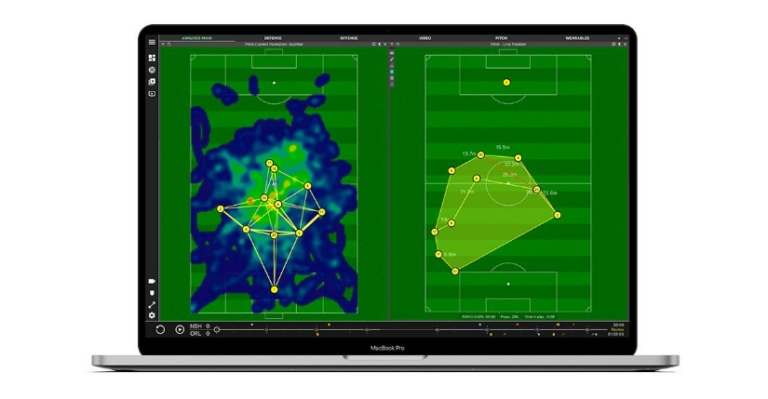
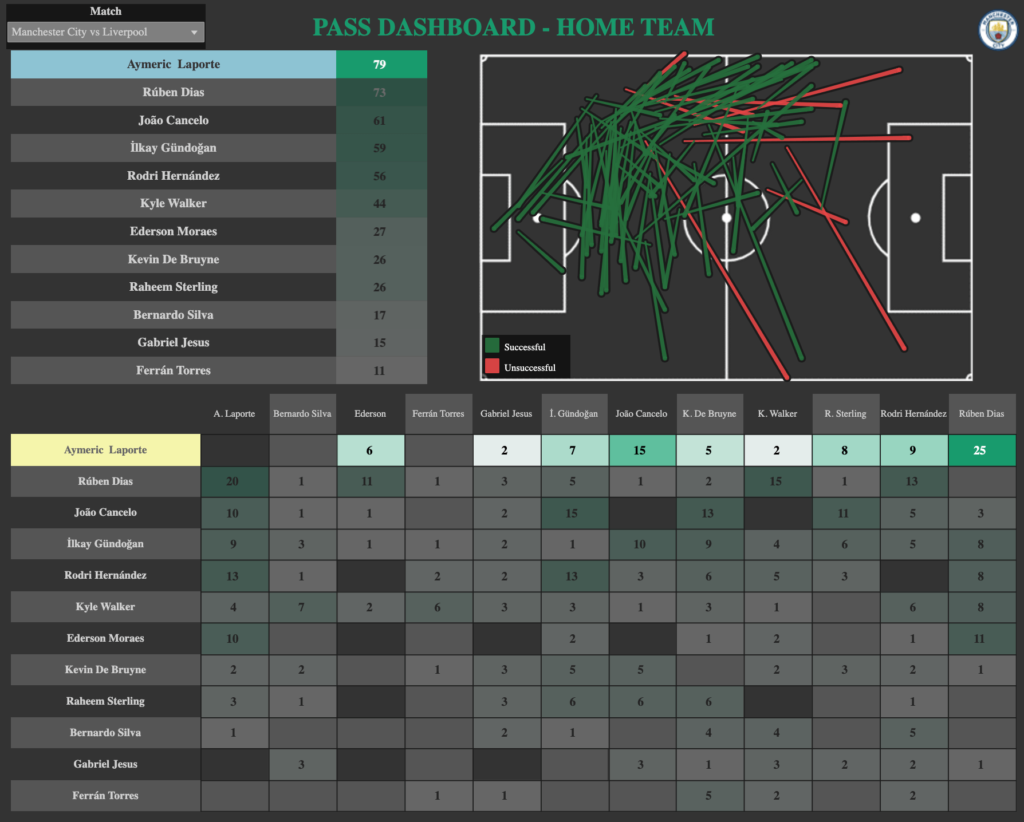
Some platforms also include advanced analytics such as Expected Goals (xG), passing networks, heat maps and defensive actions.
Who Uses Football Databases?
Football databases are no longer only for statisticians.
Fans
Supporters use them to compare players, follow transfers and explore football history.
Journalists
Sports reporters rely on databases to verify statistics before publishing articles.
Coaches
Managers and analysts study opponents using detailed match data and player trends.
Scouts
Recruitment departments evaluate players by combining live scouting with statistical information.
Content Creators
Football YouTubers, bloggers and social media creators regularly use databases when producing videos and articles.
Some of the Most Popular Football Databases
Several platforms have become trusted sources within world football.
Some focus on transfer information.
Others specialize in statistics, historical records or advanced analytics.
Examples include databases covering:
- Player statistics
- Match history
- League records
- Transfer values
- Tactical analysis
- Performance data
Each platform serves a slightly different purpose depending on the user.

How Football Databases Collect Their Information
Collecting football data is far more complex than simply watching matches.
Many databases combine several methods:
- Live data collection inside stadiums
- Professional data analysts
- Video review
- Optical tracking cameras
- GPS technology
- AI-assisted event detection
- Official league partnerships
After matches finish, every action is reviewed and verified before being added to the database.
This process helps maintain high levels of accuracy across thousands of competitions every season.
Why Accuracy Is So Important
Even small statistical errors can affect football analysis.
A missed assist, incorrect tackle count or wrong player rating may influence scouting reports, betting analysis or media coverage.
For this reason, reputable football databases constantly review and update their information after matches.
Many platforms even correct historical records when new evidence becomes available.
Football Databases vs Football Statistics Websites
Although the terms are often used interchangeably, they are not exactly the same.
| Football Database | Statistics Website |
|---|---|
| Stores large amounts of historical data | Mainly displays statistics |
| Includes player profiles | Focuses on match numbers |
| Searchable archives | Match-by-match information |
| Covers multiple competitions | Often focused on current seasons |
Many modern platforms combine both functions into a single service.
How AI Is Changing Football Databases
Artificial intelligence is transforming how football information is collected and analyzed.
Instead of relying only on human analysts, many modern platforms now use AI to:
- Detect player movements
- Recognize tactical patterns
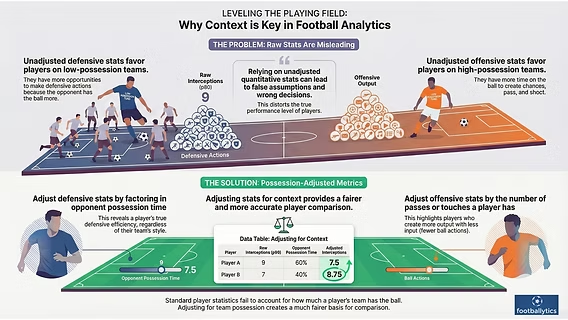
- Track ball possession
- Calculate advanced metrics
- Predict player performance
- Generate automated reports
As AI technology improves, football databases continue becoming faster, more accurate and more detailed than ever before.
Choosing the Right Football Database
The best database depends on what you’re looking for.
If you enjoy football history, historical archives are ideal.
If you’re interested in scouting or tactical analysis, advanced statistics platforms provide much deeper insights.
Journalists often combine several databases to verify information, while professional clubs typically use specialized services that offer far more detailed data than public websites.
Final Thoughts
Football databases have transformed the way people understand the sport. What once required hours of research can now be found in seconds through searchable platforms containing millions of records.
From supporters checking player statistics to professional scouts identifying future stars, these databases have become an essential part of modern football. As technology and artificial intelligence continue to evolve, football databases will only become more accurate, comprehensive and valuable.
Key Takeaways
- Football databases organize millions of football records in one place.
- They are widely used by fans, journalists, scouts and professional clubs.
- Most databases include player profiles, match results, transfers and historical records.
- AI is making football databases faster and more accurate.
- Choosing the right database depends on whether you need statistics, history or advanced analysis.