
Modern football scouting has evolved far beyond watching players from the stands. Today, clubs combine traditional scouting with advanced data analytics to evaluate potential signings before spending millions in the transfer market.
From expected goals (xG) and defensive actions to sprint speeds and passing networks, data helps clubs reduce transfer risks and identify hidden talent across the world. Whether a player competes in the Premier League, South America, or a lower division, detailed statistics can reveal strengths that may not be obvious through video alone.
In this guide, we’ll explore how football scouts use data before transfers and why analytics have become one of the most valuable tools in modern recruitment.
Quick Overview
| Scouting Method | Purpose | Importance |
|---|---|---|
| Live Scouting | Observe player behavior | ⭐⭐⭐⭐⭐ |
| Video Analysis | Review performances | ⭐⭐⭐⭐⭐ |
| Data Analytics | Compare statistics | ⭐⭐⭐⭐⭐ |
| Medical Assessment | Evaluate fitness | ⭐⭐⭐⭐☆ |
| Personality Checks | Assess mentality | ⭐⭐⭐⭐☆ |
| Financial Analysis | Determine transfer value | ⭐⭐⭐⭐⭐ |
1. Building the Initial Shortlist

Most clubs begin by creating a shortlist of players who fit their tactical and financial requirements.
Instead of watching thousands of players individually, recruitment teams use databases to filter footballers based on key metrics.
Typical filters include:
- Age
- Position
- Minutes played
- League quality
- Contract length
- Estimated transfer value
- Nationality
This allows clubs to narrow thousands of players down to a manageable shortlist.
2. Performance Statistics
Scouts carefully examine a player’s statistical profile before recommending a transfer.
Common Metrics
| Statistic | Why It Matters |
|---|---|
| Goals | Attacking output |
| Assists | Chance creation |
| Expected Goals (xG) | Quality of scoring chances |
| Expected Assists (xA) | Creative contribution |
| Key Passes | Playmaking ability |
| Successful Dribbles | Ball progression |
| Tackles Won | Defensive quality |
| Interceptions | Reading the game |
| Passing Accuracy | Ball retention |
Rather than focusing on one statistic, clubs analyze the player’s complete profile.
3. Position-Specific Analysis

Different positions require different performance indicators.
For Strikers
- Goals
- xG
- Shot accuracy
- Touches in the penalty area
- Pressing actions
For Midfielders
- Progressive passes
- Ball recoveries
- Key passes
- Passing accuracy
- Possession retention
For Defenders
- Aerial duels won
- Tackles
- Interceptions
- Clearances
- Defensive positioning
For Goalkeepers
- Save percentage
- Crosses claimed
- Distribution accuracy
- Goals prevented
- Sweeper actions
4. Video Scouting Still Matters
Although data plays a major role, clubs never rely on statistics alone.
Professional scouts watch multiple full matches to evaluate aspects that numbers cannot fully explain.
These include:
- Decision making
- Positioning
- Body language
- Communication
- Leadership
- Off-the-ball movement
- Tactical discipline
Video analysis helps confirm whether the statistics accurately reflect the player’s performances.
5. Physical Performance Data

Sports science has become an essential part of recruitment.
Many clubs analyze physical performance using GPS tracking and fitness data.
Key Measurements
| Metric | Importance |
|---|---|
| Top Speed | Counter-attacking ability |
| Sprint Distance | Work rate |
| Total Distance Covered | Fitness level |
| Recovery Time | Physical condition |
| Injury History | Long-term availability |
This information helps reduce the risk of signing injury-prone players.
6. Tactical Compatibility
Before completing a transfer, clubs ask one important question:
Will this player fit our system?
For example:
- Can the defender play in a high defensive line?
- Does the striker press aggressively?
- Is the midfielder comfortable under pressure?
- Can the full-back contribute in attack?
A talented player may still struggle if their playing style doesn’t suit the manager’s tactics.
7. Personality and Mentality

Successful transfers depend on more than football ability.
Recruitment departments often investigate:
- Professional attitude
- Leadership qualities
- Training habits
- Discipline
- Adaptability
- Communication skills
Former coaches and teammates may also be consulted before a final decision is made.
8. Financial Evaluation
Every transfer is also a business decision.
Financial Factors
| Factor | Why It Matters |
|---|---|
| Transfer Fee | Total acquisition cost |
| Salary | Long-term expense |
| Contract Length | Future value |
| Agent Fees | Additional costs |
| Resale Potential | Future profit |
Clubs must balance sporting ambition with financial sustainability.
Modern Technology Used by Scouts

Today’s recruitment departments use advanced technology such as:
- AI-powered scouting software
- Video analysis platforms
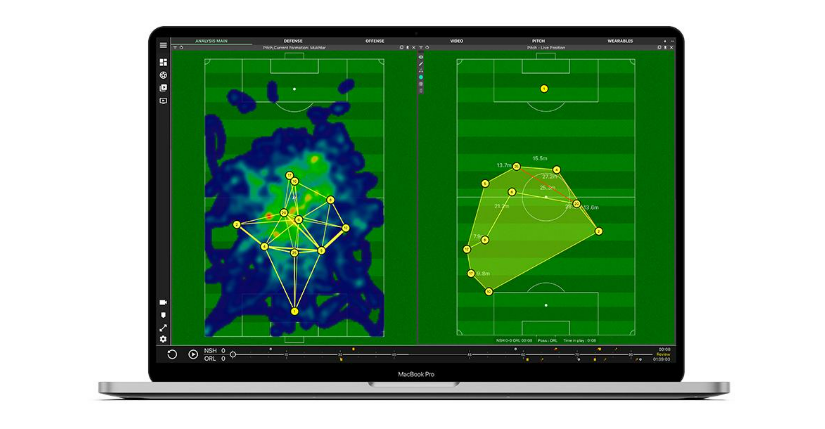
- Heat maps
- Passing networks
- Expected Goals (xG)
- Computer vision
- Machine learning models
- Performance dashboards
These tools help identify players more quickly and accurately than ever before.
Traditional Scouting vs Data Scouting
| Traditional Scouting | Data-Driven Scouting |
|---|---|
| Live observation | Statistical analysis |
| Personal opinions | Objective metrics |
| Limited matches | Thousands of games |
| Manual reports | AI-generated insights |
| Smaller player pool | Global databases |
Most elite clubs now combine both approaches.
Benefits of Data in Transfers
| Benefit | Impact |
|---|---|
| Better recruitment | Higher success rate |
| Reduced transfer risk | Smarter investments |
| Faster player identification | Larger scouting network |
| Tactical fit | Improved team performance |
| Financial efficiency | Better value for money |
Final Thoughts
Football recruitment has entered a new era where data and traditional scouting work side by side. Statistics can reveal hidden talent, identify tactical strengths, and reduce expensive transfer mistakes, while live scouting and video analysis provide the human context that numbers alone cannot capture.
The world’s biggest clubs now invest heavily in analytics departments because successful transfers depend on much more than goals and assists. By combining advanced data, AI, medical analysis, financial planning, and expert scouting, teams can make more informed decisions and build stronger squads for the future.