
Football has changed dramatically over the past decade. Defenders are no longer expected to simply clear the ball and stop attacks. In today’s game, many of the world’s best center-backs act as the first playmakers, helping their teams build attacks from deep.
This modern role is known as the ball-playing defender. Whether it’s breaking an opponent’s press with a precise pass or carrying the ball into midfield, these defenders have become essential for teams that want to dominate possession and control matches.
From Manchester City to Spain and Argentina, successful teams increasingly rely on defenders who are comfortable with the ball at their feet.
Quick Overview
| Category | Details |
|---|---|
| Position | Centre-Back |
| Main Role | Build attacks from defense |
| Key Skill | Passing accuracy |
| Modern Importance | Very High |
| Famous Examples | Virgil van Dijk, Rúben Dias, John Stones, Pau Cubarsí |
What Is a Ball-Playing Defender?
A ball-playing defender is a center-back who contributes to both defense and attack.
Instead of immediately clearing the ball under pressure, they remain calm, make intelligent decisions, and help their team keep possession.
Their responsibilities include:
- Playing accurate short and long passes.
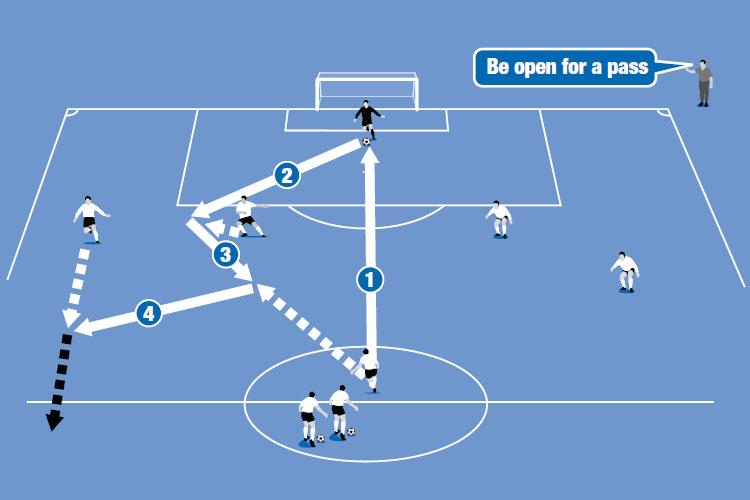
- Starting attacks from the back.
- Breaking opposition pressing lines.
- Carrying the ball into midfield.
- Switching play quickly.
These qualities allow teams to build attacks in a controlled and organized way.
Why Are They So Important?

Modern football is built around possession.
When opponents press high, defenders become the first players responsible for escaping pressure.
A skilled ball-playing defender can:
- Create numerical advantages.
- Open passing lanes.
- Launch counterattacks.
- Keep possession under pressure.
- Control the tempo of the game.
Without defenders capable of doing this, many teams struggle to build attacks effectively.
Key Characteristics
| Skill | Why It Matters |
|---|---|
| Passing | Starts attacking moves |
| Vision | Finds teammates quickly |
| Composure | Stays calm under pressure |
| Positioning | Creates passing angles |
| Decision Making | Reduces costly mistakes |
| Ball Control | Helps beat the press |
Famous Ball-Playing Defenders

Several world-class defenders have redefined the position.
Virgil van Dijk
Known for his calmness, accurate long passes, and ability to launch attacks from deep.
John Stones
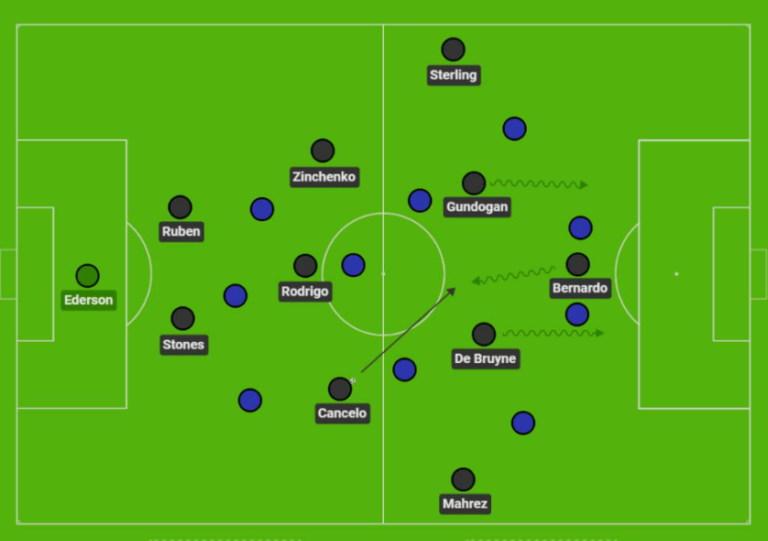
Often steps into midfield, giving Manchester City an extra playmaker during possession.
Rúben Dias
Combines defensive strength with intelligent distribution and leadership.
Pau Cubarsí
One of football’s brightest young defenders, already showing exceptional composure and passing ability.
How Teams Benefit
A quality ball-playing defender helps a team:
- Build possession confidently.
- Beat high pressing systems.
- Keep more control of matches.
- Create attacks faster.
- Improve passing accuracy.
- Reduce unnecessary long clearances.
Teams that dominate possession often depend heavily on defenders who can contribute offensively.
Traditional Defender vs Ball-Playing Defender

| Traditional Defender | Ball-Playing Defender |
|---|---|
| Clears danger quickly | Builds attacks patiently |
| Focuses mainly on defending | Contributes in attack and defense |
| Uses simple passes | Plays progressive passes |
| Rarely dribbles forward | Carries the ball into midfield |
| Prioritizes stopping attacks | Helps create attacks |
Tactical Importance
Today’s coaches want every player to contribute during possession.
When goalkeepers distribute short passes, center-backs become the starting point of almost every attack.
Many tactical systems, including possession-based football, rely on defenders who can:
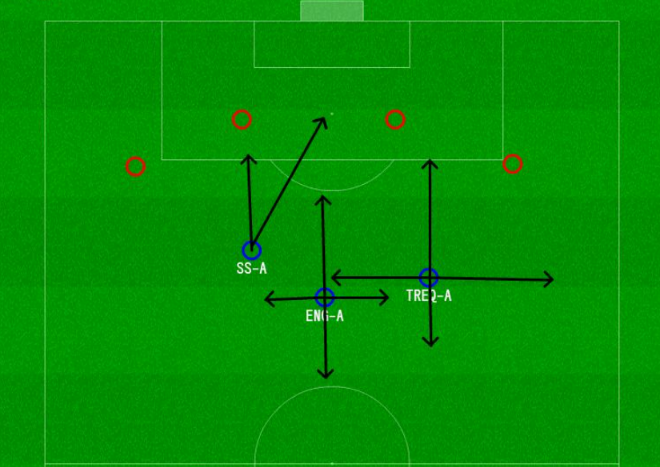
- Split wide to receive passes.
- Progress the ball through midfield.
- Break pressing lines.
- Switch play with long diagonal passes.
- Support midfield build-up.
Without these qualities, maintaining possession becomes much more difficult.
Did You Know?
📊 Elite ball-playing defenders often complete 90% or more of their passes during a match.
⚽ Some center-backs now make more passes than midfielders in possession-dominant teams.
🎯 Progressive passes from defenders have become one of the most important statistics in modern football analytics.
🌍 Many top academies now train young defenders to improve passing and ball control from an early age.
Frequently Asked Questions
Is a ball-playing defender only useful for possession teams?
No. While possession-focused teams benefit the most, any team can use a defender who stays calm under pressure and distributes the ball effectively.
Can every center-back become a ball-playing defender?
Not necessarily. It requires strong technical ability, vision, confidence, and decision-making in addition to traditional defensive skills.
Who is considered one of the best ball-playing defenders today?
Players such as Virgil van Dijk, John Stones, Rúben Dias, and Pau Cubarsí are widely recognized for combining elite defending with excellent passing and composure.
Key Takeaways
- A ball-playing defender is responsible for starting attacks from the back.
- Passing, composure, and vision are essential qualities.
- Modern tactical systems increasingly depend on defenders who are comfortable in possession.
- These players help teams beat the press and control matches.
- The role has become one of the most valuable positions in modern football.
Final Thoughts
The role of the center-back has evolved far beyond simply stopping opponents. Today’s best defenders are expected to defend with intelligence, distribute the ball with precision, and help dictate the rhythm of the game from deep positions.
As football continues to emphasize possession, pressing resistance, and tactical flexibility, the ball-playing defender has become one of the most influential players on the pitch. Teams that possess defenders capable of building attacks from the back gain a significant tactical advantage, making this role essential in the modern game.