
Brazil May Have Finally Found Their Identity
Brazil’s road to the 2026 FIFA World Cup has been anything but smooth.
After qualifying under three different managers and struggling for consistency, the Seleção entered the tournament surrounded by more questions than answers. Despite boasting one of the world’s most talented squads, Brazil often looked disconnected, lacking a clear attacking identity.
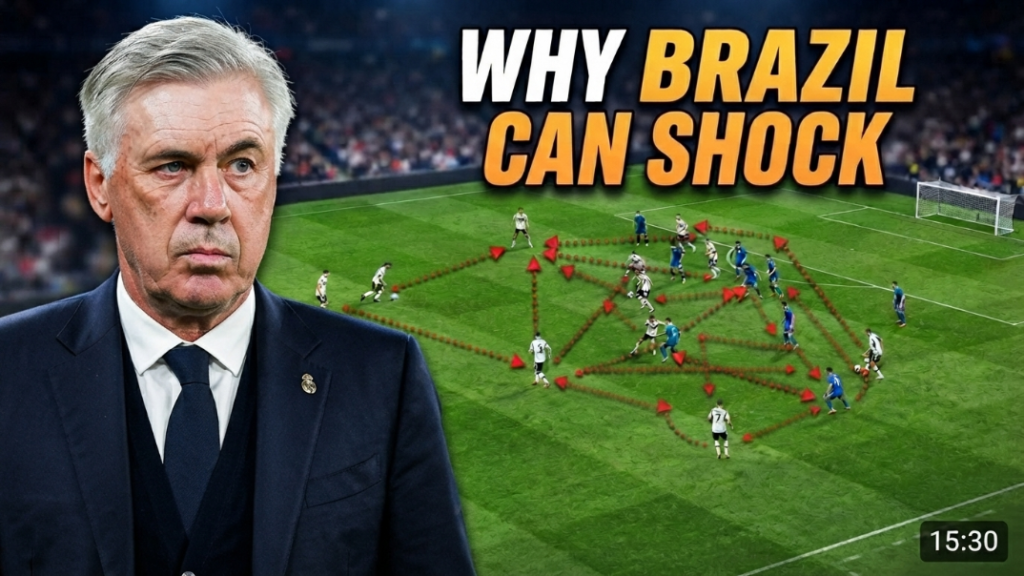
However, recent friendlies suggest Carlo Ancelotti may have finally discovered the tactical formula that brings balance to his team. Rather than changing formations, the Italian coach has made subtle adjustments to player roles, transforming Brazil into a far more fluid and dangerous side.
Brazil Defend in a 4-4-2, But Attack Very Differently
Ancelotti has repeatedly stated that Brazil will play with a 4-4-2 system.
That shape is clearly visible without the ball, where Brazil stay compact and organized to limit space through the middle. But once possession is won, the structure immediately becomes much more flexible.
Instead of asking every player to follow strict positional rules, Ancelotti allows his attackers to interpret situations naturally. The formation stays recognizable, but the movement within it constantly changes depending on the players involved.
This freedom gives Brazil unpredictability, but it also means the success of the system depends heavily on having the right profiles in each position.
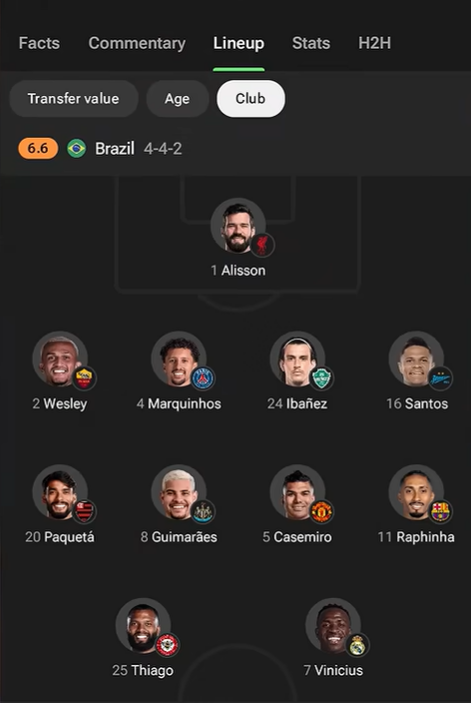
The Original System Lacked Control
Brazil’s first tactical setup relied on two holding midfielders, two wide players and a pair of roaming forwards.
On paper, it looked flexible.
In reality, it often became predictable.
Because the forwards constantly drifted away from central areas, Brazil lacked a true reference point in attack. At the same time, Casemiro frequently found himself isolated in midfield with very few passing options ahead of him.
Rather than controlling possession, several attacking players waited for the game to come to them instead of taking responsibility for building attacks.
As a result, Brazil created most of their dangerous moments through pressing or fast counter-attacks instead of sustained possession.
The team had pace and individual quality, but very little rhythm with the ball.
Lucas Paquetá Completely Changed Brazil’s Attack
Everything changed when Lucas Paquetá entered the game.
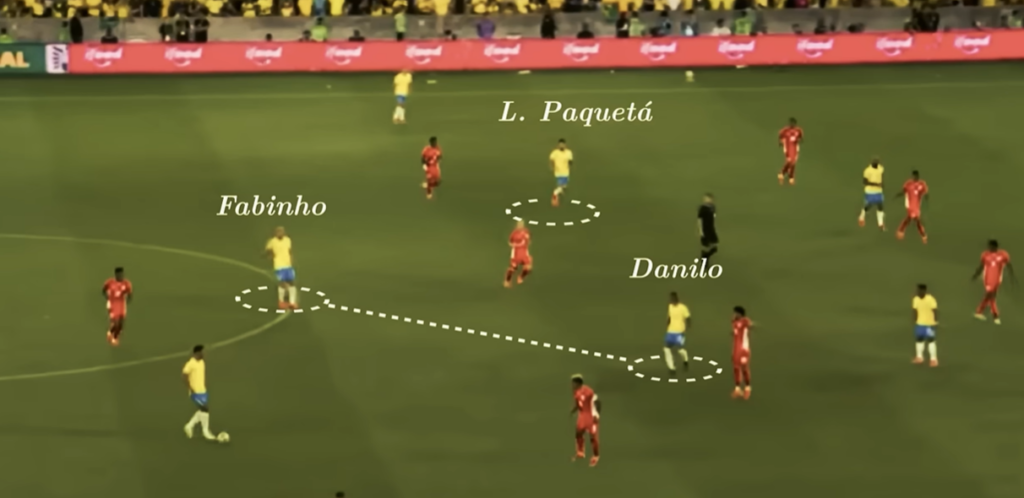
Although he started from a wider position, Paquetá constantly drifted into midfield to become Brazil’s main playmaker.
Instead of waiting between the lines, he repeatedly dropped deep to collect possession before driving the attack forward. His willingness to receive the ball under pressure immediately improved Brazil’s passing rhythm.
Rather than relying on long balls or individual dribbles, Brazil suddenly began progressing through short passing combinations.
Paquetá became the player connecting every phase of possession.
He would receive the ball, play forward, continue his run and immediately offer another passing option.
That constant movement gave Brazil something they had been missing throughout qualifying: control.
The improvement was obvious, with Brazil creating their best attacking move of the match through Paquetá’s involvement from start to finish.
Better Ball Movement Brings the Midfield to Life
After seeing the impact of Paquetá, Ancelotti adjusted his starting lineup for the final friendly.
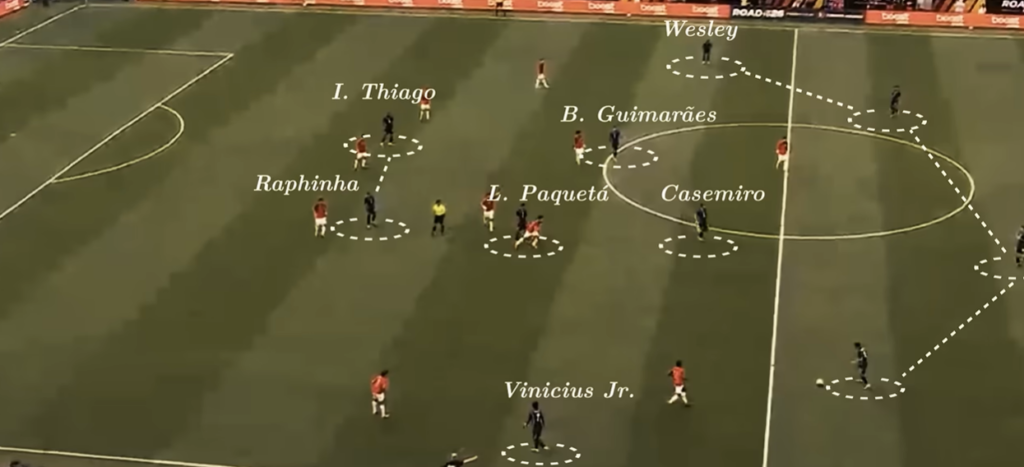
With Paquetá operating more centrally, Brazil effectively played with three midfielders in possession while Vinícius Júnior stayed wide on the left and the front two stretched the defensive line.
This balance transformed the team’s build-up.
Instead of one isolated midfielder trying to connect the play, Brazil now had multiple passing angles around the ball.
Bruno Guimarães also became far more influential because Paquetá’s movement created passing triangles that simply did not exist before.
The increased rotation forced opposing midfielders out of position, opening spaces that Brazil could attack with quick combinations.
Most importantly, the team looked far more comfortable controlling matches instead of waiting for transition opportunities.
Width and Vertical Threat Keep Defenders Honest
While Brazil became more patient in possession, they never sacrificed their biggest attacking strength.
Vinícius Júnior continued stretching the left side, while Raphinha’s movement behind the defence constantly threatened the space in behind.
This balance is crucial.
As defenders drop deeper to deal with Brazil’s pace, more room naturally opens in midfield for Paquetá and Bruno Guimarães to dictate possession.
Rather than choosing between possession football or direct attacks, Brazil now combine both approaches within the same system.
That variety makes them much harder to defend than earlier in qualifying.
Wesley’s Injury Creates a New Tactical Problem
One concern remains before the World Cup.
Wesley’s injury removes Brazil’s most attacking right-back.
His overlapping runs were essential because they provided natural width on the right while Paquetá moved into central areas.
Without him, Ancelotti faces a difficult decision.
He can either use a more defensive full-back and lose width, or introduce a natural winger on the right, forcing changes elsewhere in the lineup.
Neither option perfectly recreates the balance Brazil recently discovered, making the right side one of the biggest tactical questions heading into the tournament.
Endrick Could Add the Final Piece
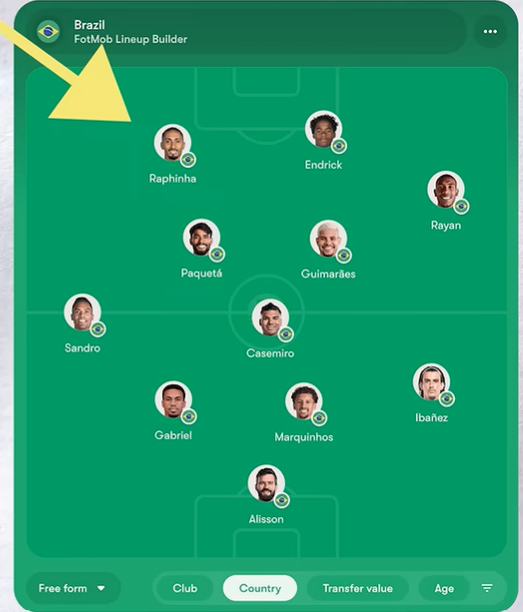
Another exciting development came with Endrick’s introduction.
While Brazil’s previous striker worked hard off the ball, Endrick immediately offered a sharper presence inside the penalty area.
His movement looked more natural, his finishing more instinctive and his confidence lifted the entire attack.
Brazil suddenly had a striker capable of converting the possession they were beginning to create.
Combined with Neymar’s experience and leadership, Endrick represents the next generation of Brazilian football.
The combination of youthful energy and experienced stars could become one of Brazil’s biggest advantages if they make a deep run at the World Cup.
Key Tactical Strengths
| Tactical Area | Brazil’s Strength |
|---|---|
| Defensive Shape | Compact 4-4-2 without possession |
| Build-Up | Extra midfielder created by Paquetá |
| Possession | Short passing and constant movement |
| Width | Vinícius and attacking full-backs stretch the pitch |
| Transitions | Pace through Vinícius and Raphinha |
| Flexibility | Players free to rotate and adapt in possession |
Final Verdict
Brazil may not have entered the 2026 World Cup as overwhelming favourites, but Carlo Ancelotti’s recent tactical adjustments have completely changed the conversation.
By giving Lucas Paquetá greater responsibility in midfield, improving Brazil’s passing structure and maintaining the pace of Vinícius Júnior and Raphinha in transition, the Seleção finally look like a balanced team rather than just a collection of elite individuals.
Questions remain over the right-back position and the ideal starting striker, but if this new tactical formula continues to develop, Brazil have every reason to believe they can surprise the biggest favourites and once again become one of the most dangerous teams in world football.