
The 2026 FIFA World Cup has introduced the biggest structural change in tournament history, expanding from 32 to 48 teams. While concerns about one-sided matches dominated the discussion before kickoff, the opening group stage has revealed a different story.
The new format has delivered more global representation, introduced fresh footballing nations to the biggest stage, and created several memorable upsets that few expected before the tournament began.
Although stronger teams have generally lived up to expectations, the numbers show that this World Cup is becoming more open, more attacking, and more unpredictable than previous editions.
More Nations, More Opportunities
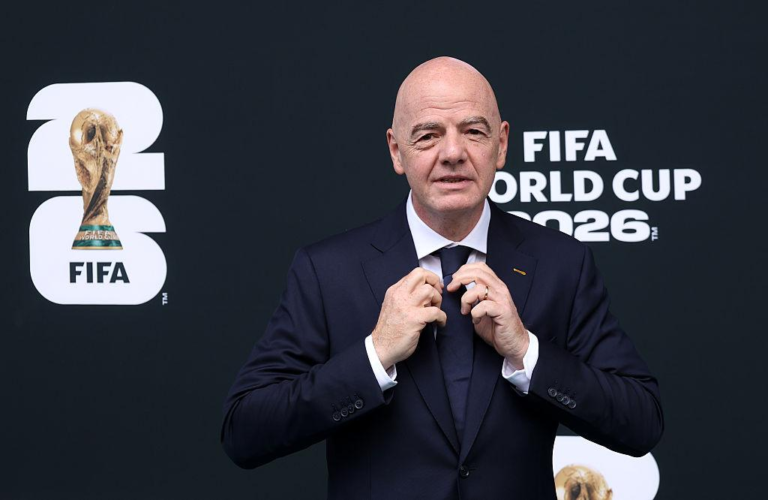
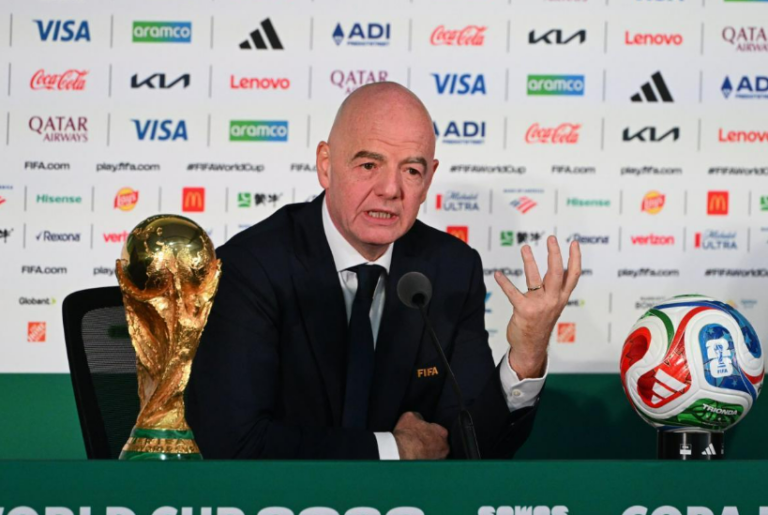
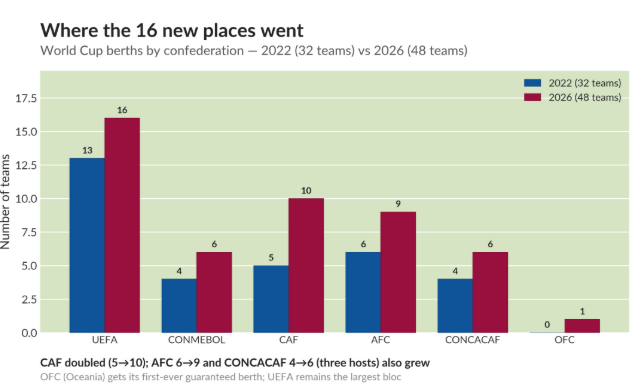
The biggest headline entering World Cup 2026 was FIFA’s decision to increase the tournament from 32 to 48 teams.
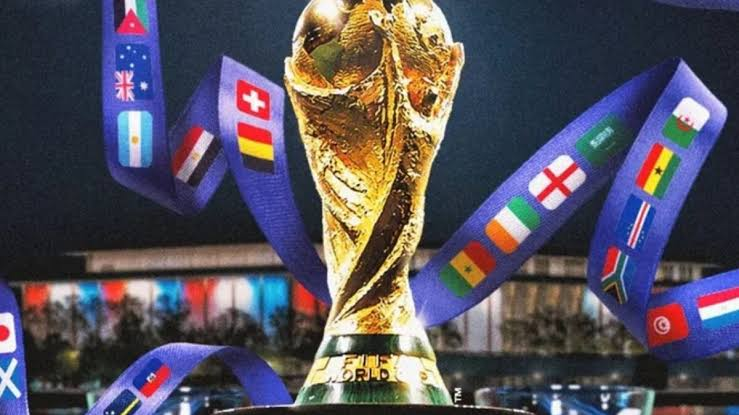
For many smaller football nations, this expansion created a historic opportunity to compete on football’s biggest stage for the first time.
African football benefited more than any other continent. The Confederation of African Football doubled its representation from five teams to ten, allowing countries such as Cape Verde to make their World Cup debut and immediately become one of the tournament’s biggest surprise packages.
Across every continent, more national teams gained exposure, allowing fans to discover new football cultures, emerging talents and different tactical approaches that were previously absent from the competition.
Bigger Ranking Gaps Between Opponents
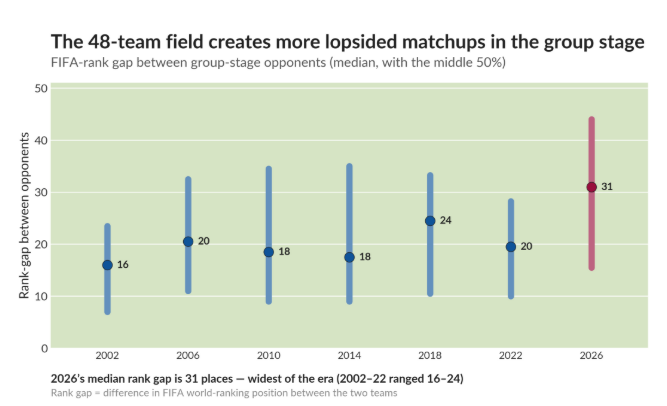
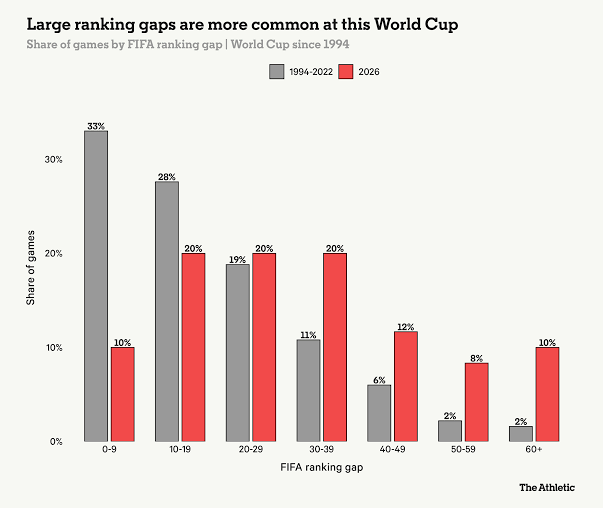
One immediate consequence of the expanded tournament has been a wider quality gap between many opponents.
Statistics from the opening group stage show that the median FIFA ranking difference between competing teams increased significantly compared to previous tournaments.
Several fixtures featured established football giants facing nations making only their first or second World Cup appearance.
On paper, this raised fears of numerous heavy defeats.
However, football rarely follows predictions.
Teams such as Cape Verde, DR Congo and several other underdogs demonstrated that modern international football is becoming increasingly competitive, even when the ranking gap appears enormous.
Rather than producing one-sided contests every time, many of these matches became tactical battles where discipline and organization compensated for differences in individual quality.
More Goals Are Being Scored
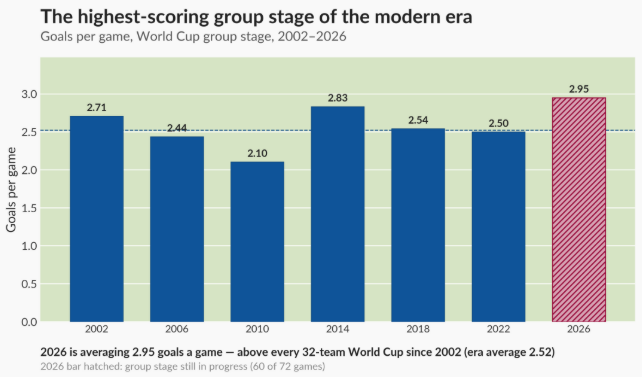
Perhaps the most entertaining trend has been the increase in goals.
The tournament has averaged almost three goals per game during the group stage, making it one of the highest-scoring World Cups in recent history.
Several factors have contributed to this increase.
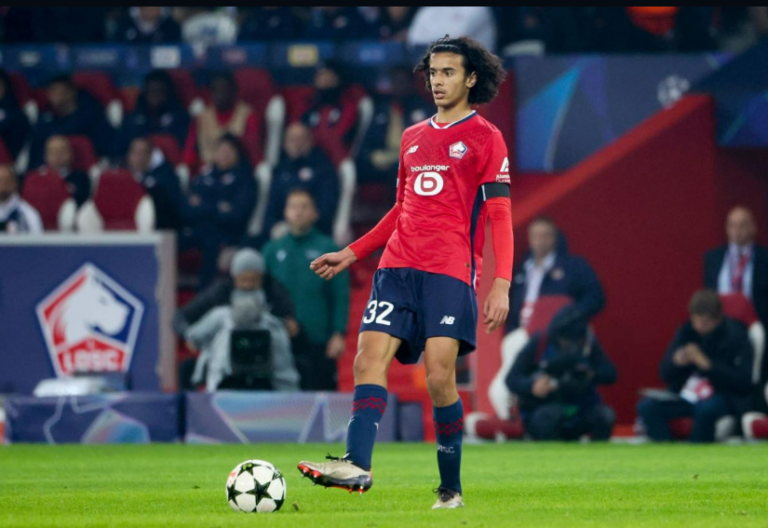
Elite attacking players continue to perform at exceptional levels, while many debutant nations have adopted positive football instead of simply defending deep throughout matches.
Stars such as Lionel Messi and Kylian Mbappé have continued producing decisive moments, while emerging talents across the tournament have also helped maintain an impressive attacking standard.
For supporters, the result has been a competition filled with excitement, dramatic finishes and entertaining football.
Underdogs Have Refused to Simply Make Up the Numbers
Before the tournament began, many expected newly qualified nations to struggle against football’s traditional powers.
Instead, several underdogs have exceeded expectations.
Cape Verde stunned Spain with a memorable draw before reaching the knockout stage.
DR Congo earned a historic point against Portugal.
Morocco continued to prove that its remarkable World Cup performances are no longer surprises but the result of a mature tactical identity.
These performances suggest that international football’s competitive balance continues to improve.
Smaller nations are arriving at World Cups better prepared than ever before, both tactically and physically.
The Expansion Has Created More Stories
Beyond statistics, the expanded tournament has achieved one major objective.
It has created more stories.
Fans around the world have witnessed nations making their World Cup debuts, players writing history for their countries, and supporters experiencing unforgettable moments that would never have existed under the previous 32-team format.
Every additional qualification place represents another football dream becoming reality.
For many countries, simply reaching the tournament has transformed football development at home.
Now, some of those same nations are proving they belong among the world’s elite.
Early Verdict on the New Format
Although debates about tournament expansion will continue, the first group stage offers encouraging evidence that the 48-team World Cup can be a success.
Yes, ranking gaps have increased.
Yes, some matches have been predictable.
But the tournament has also delivered more goals, greater global representation, fresh tactical stories, and several memorable surprises that have captured worldwide attention.
As the knockout rounds begin, the true test of the new format still lies ahead.
If the drama of the group stage continues, World Cup 2026 could ultimately become one of the most entertaining editions in FIFA history.