
Spain’s dramatic 1-0 victory over Argentina in the 2026 FIFA World Cup Final did more than crown a new world champion. It may have marked the beginning of international football’s next dominant era.
A superb extra-time strike from Ferran Torres ended Argentina’s reign and secured Spain’s second FIFA World Cup title. More significantly, Luis de la Fuente’s side completed an extraordinary international double, adding the World Cup to their UEFA European Championship triumph.
Comparisons with Lionel Messi’s legendary Argentina are inevitable. Argentina’s achievements between 2021 and 2026 created one of the greatest international teams in football history. Yet Spain now possess something equally exciting: a young, balanced squad capable of remaining at the top for many years.
Quick Match Overview
| Detail | Information |
|---|---|
| Competition | FIFA World Cup 2026 Final |
| Result | Spain 1-0 Argentina (AET) |
| Winning Goal | Ferran Torres (106′) |
| Venue | MetLife Stadium |
| World Champions | Spain 🇪🇸 |
| Player of the Match | Rodri |
Spain’s Golden Generation Is Just Beginning
Much of the build-up focused on one symbolic matchup.
On one side stood Lionel Messi, the greatest player of his generation, leading Argentina to another World Cup Final at 39 years old.
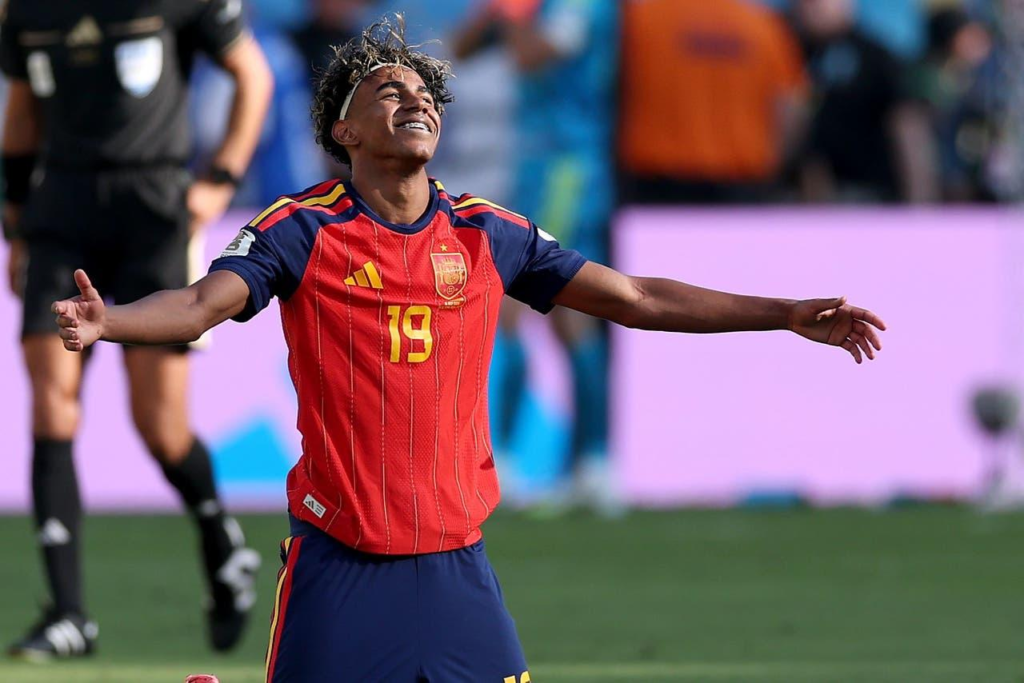
On the other stood Lamine Yamal, only 19, representing the future of world football.
The contrast between the two stars reflected something much bigger than a single match.
It represented the passing of football’s torch from one extraordinary generation to another.
Spain’s squad is filled with players who may remain together throughout the remainder of the decade.

Youth Gives Spain an Incredible Advantage
Unlike many World Cup-winning teams that peak before entering decline, Spain appear to be moving in the opposite direction.
Most of their core players have not yet reached their footballing prime.
Spain’s Young Core
| Player | Age |
|---|---|
| Lamine Yamal | 19 |
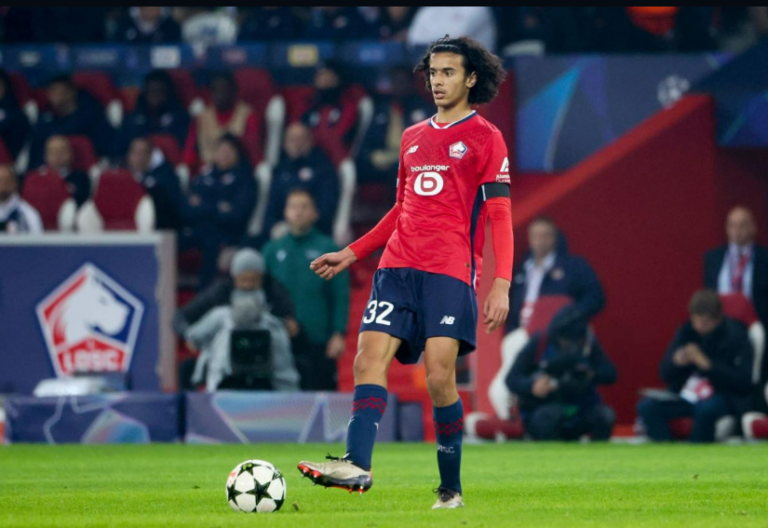
| Pau Cubarsí | 19 |
| Gavi | 22 |
| Pedri | 23 |
| Nico Williams | 24 |
This remarkable age profile suggests Spain could remain among the world’s elite for several major tournaments.
Success Built on More Than One Superstar
Although Lamine Yamal naturally attracts enormous attention, Spain’s greatest strength is that they do not rely on a single player.
Argentina often looked toward Lionel Messi whenever inspiration was needed.
Spain operate differently.
Their attacking threat comes from every area of the pitch.
Different players have become decisive throughout the tournament:
- Ferran Torres
- Lamine Yamal
- Nico Williams
- Pedri
- Dani Olmo
That unpredictability makes Spain far more difficult to defend.
Every opponent must prepare for multiple match winners rather than one focal point.
Rodri Remains the Heart of the Team
If Yamal represents Spain’s future, Rodri remains the player who makes everything function.
The midfielder once again controlled the World Cup Final with remarkable composure.
His performance included:
- Excellent positional discipline
- Calm distribution
- Midfield control
- Defensive protection
- Leadership under pressure
Rodri allows Spain’s attacking players complete freedom while maintaining the balance that defines Luis de la Fuente’s tactical system.

Defensive Excellence Wins Championships
Spain’s success was not built solely on attacking football.
Their defensive performances were arguably even more impressive.
Defensive Record
| Statistic | Total |
|---|---|
| Matches Played | 8 |
| Clean Sheets | 7 |
| Goals Conceded | 1 |
Led by Pau Cubarsí and protected by Rodri, Spain consistently neutralized elite attacking teams.
Against Argentina in the final, they produced one of the tournament’s most disciplined defensive displays.
Future Challenges Will Be Even Greater
Winning the World Cup is difficult.
Remaining at the top may prove even harder.
Several major nations are entering exciting new cycles.
International Rivals
| Nation | Manager |
|---|---|
| Spain | Luis de la Fuente |
| England | Thomas Tuchel |
| Brazil | Carlo Ancelotti |
| France | Didier Deschamps* |
| Germany | Emerging new cycle |
Regardless of managerial changes, international football appears set for an extremely competitive period.
That makes Spain’s long-term ambitions even more impressive.

Why Spain Could Create an Even Bigger Legacy
Several factors suggest Spain have the foundations for a historic era.
Reasons for Optimism
- Extremely young squad
- Elite technical quality
- Outstanding tactical discipline
- Defensive consistency
- Multiple goal scorers
- Excellent squad depth
- Stable coaching project
- Strong youth development pathway
Perhaps most importantly, Spain’s system is not dependent on one individual.
That gives them greater flexibility when injuries, tactical adjustments, or generational changes inevitably arrive.
Spain vs Argentina: Comparing Two Great Eras
| Category | Spain (2026) | Argentina (2022-2026) |
|---|---|---|
| World Cup | ✅ | ✅ |
| Continental Title | ✅ | ✅ |
| Young Core | Excellent | More experienced |
| Squad Depth | Outstanding | Strong |
| Defensive Record | Elite | Very Good |
| Long-Term Potential | Extremely High | Mature cycle |
Argentina’s achievements remain among the greatest in football history.
Spain’s advantage lies in the age and depth of their current squad, giving them the opportunity to build success over a longer period.
By the Numbers
| Number | Meaning |
|---|---|
| 1-0 | Spain’s victory over Argentina |
| 106′ | Ferran Torres’ winning goal |
| 7 | Clean sheets kept by Spain |
| 1 | Goal conceded during the tournament |
| 19 | Age of Lamine Yamal |
Did You Know?
- 🇪🇸 Spain completed a remarkable UEFA European Championship and FIFA World Cup double.
- ⭐ Lamine Yamal became one of the youngest players ever to win the FIFA World Cup.
- 🛡️ Spain’s defensive record was among the strongest of the tournament.
- ⚽ Luis de la Fuente has guided one of the youngest squads in world football to consecutive major international trophies.
Final Thoughts
Spain’s World Cup victory over Argentina felt like more than the end of a tournament. It looked like the beginning of a new era. With a squad built around Lamine Yamal, Rodri, Pedri, Nico Williams, Gavi, and Pau Cubarsí, La Roja possess the balance, youth, and tactical identity needed to remain among football’s elite for years to come.
Lionel Messi’s Argentina will always be remembered for restoring World Cup glory and producing one of the greatest international teams of the modern era. Yet Spain now have an opportunity few champions ever receive: the chance to turn one unforgettable triumph into a lasting dynasty. If this young generation continues to develop together, the victory over Argentina in the 2026 World Cup Final may ultimately be remembered as the first chapter of an even greater football legacy.