
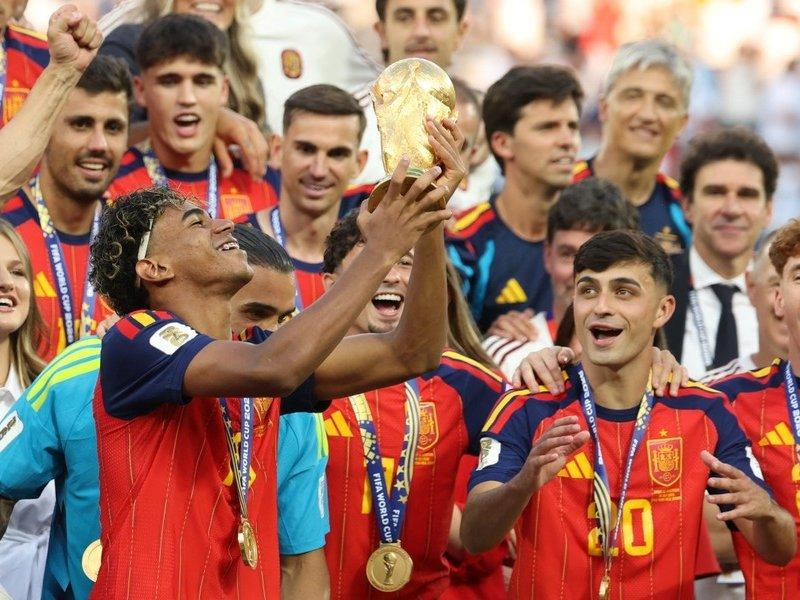
Spain’s 1-0 victory over Argentina in the 2026 FIFA World Cup Final may be remembered as more than simply another championship triumph. It could represent the beginning of a new era in international football. After defeating the reigning world champions at MetLife Stadium, Luis de la Fuente’s young squad not only lifted football’s biggest trophy but also strengthened the belief that Spain possesses the foundations to dominate world football for years to come.
Although Ferran Torres scored the decisive extra-time goal, Spain’s victory was built on collective excellence rather than individual brilliance. Their tactical discipline, defensive organization, and intelligent possession football consistently frustrated an experienced Argentina side led by Lionel Messi.
With UEFA EURO 2024 and the FIFA World Cup 2026 already secured, attention has shifted from what Spain has achieved to what they might accomplish over the next decade. Unlike many World Cup winners that peak before entering a rebuilding phase, La Roja possess one of the youngest squads in international football, giving them a unique opportunity to establish a lasting dynasty.
World Cup Final at a Glance
| Category | Details |
|---|---|
| Competition | FIFA World Cup 2026 Final |
| Result | Spain 1-0 Argentina |
| Venue | MetLife Stadium |
| Winner | Spain |
| Winning Goal | Ferran Torres |
| Argentina Red Card | Enzo Fernández |
| Spain Coach | Luis de la Fuente |
| Argentina Coach | Lionel Scaloni |
Spain’s Victory Was Built on Team Football
Argentina entered the final as defending world champions and one of the tournament’s most experienced teams. Spain, however, approached the match with remarkable confidence and quickly imposed their style of play.
From the opening whistle, La Roja dominated possession, circulated the ball with patience, and limited Argentina’s opportunities to launch dangerous counterattacks. Rather than relying on moments of individual magic, Spain attacked through fluid movement, intelligent positioning, and quick passing combinations that repeatedly stretched Argentina’s defensive shape.
Although Lionel Messi produced occasional flashes of quality, Spain’s disciplined defensive structure prevented Argentina from sustaining pressure in the attacking third. Their patience was finally rewarded in extra time when substitute Ferran Torres converted the winning goal, completing a performance that reflected tactical maturity from start to finish.

One of the most impressive aspects of Spain’s display was their composure. Even during tense moments, they remained committed to their philosophy instead of abandoning their tactical identity under pressure.
A Young Core Ready to Shape the Future
Perhaps the most exciting aspect of Spain’s success is the age profile of their squad.
While many World Cup champions reach their peak before entering a period of transition, Spain’s most influential players are still at the beginning of their international careers. That gives Luis de la Fuente the opportunity to continue developing a group that already performs like an established champion.
Spain’s Emerging Stars
| Player | Position | Age |
|---|---|---|
| Lamine Yamal | Winger | 19 |
| Pau Cubarsí | Centre-back | 19 |
| Nico Williams | Winger | 24 |
| Pedri | Midfielder | Mid-20s |
| Gavi | Midfielder | Early 20s |
This youthful core provides Spain with something every international manager dreams of: continuity.
Rather than rebuilding after lifting the World Cup, Spain can continue refining an already successful team. As these players gain more experience together, their understanding, chemistry, and tactical awareness are likely to improve even further.
Compared with previous World Cup champions, Spain appears well positioned to remain among the favorites for future major tournaments rather than fading after a single successful cycle.
Lamine Yamal Represents the Future, Not the Entire Team
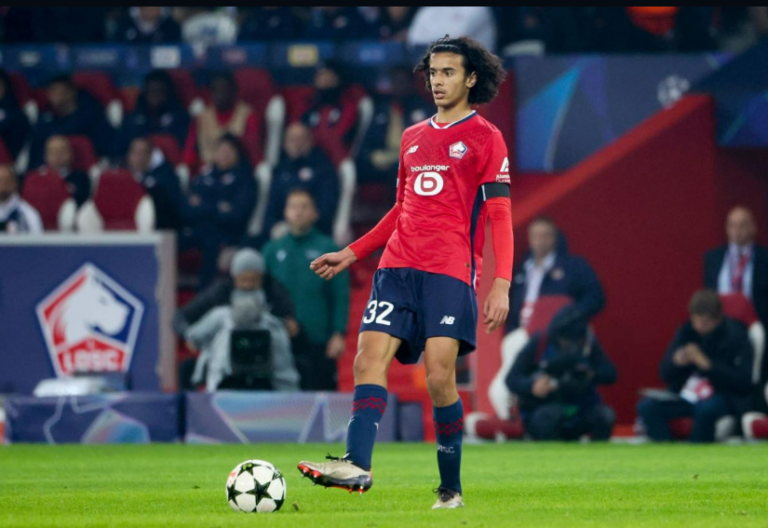
Much of the build-up to the final focused on the symbolic meeting between Lionel Messi and teenage sensation Lamine Yamal.
While those comparisons generated headlines, Spain’s victory demonstrated something equally important.
This is not a team built around one superstar.
Yamal’s pace, creativity, and dribbling make him one of the world’s most exciting young players, but Spain’s attacking threat comes from every area of the pitch. Goals can arrive from multiple forwards, midfielders contribute consistently in possession, and defenders are comfortable progressing the ball into advanced positions.
That balance makes Spain extremely difficult to predict and even harder to stop.

Spain’s Defensive Foundation Could Define an Era
Every great international team has a defining characteristic.
For Brazil’s legendary sides, it was flair and attacking brilliance. Italy became synonymous with defensive resilience, while Spain’s golden generation of 2008 to 2012 revolutionized international football through possession-based dominance.
The 2026 version of Spain may be remembered for something different: complete defensive control.
Throughout the World Cup, Luis de la Fuente’s side consistently limited opponents to very few clear scoring opportunities. Their high press, disciplined defensive line, and intelligent positioning meant opponents rarely found space in dangerous areas.
Rather than relying on spectacular last-ditch tackles or heroic goalkeeping performances, Spain prevented attacks from developing in the first place.
That defensive consistency became one of the foundations of their World Cup-winning campaign.
According to the tournament statistics presented in the source article, Spain finished the competition with seven clean sheets in eight matches while conceding only one goal throughout the tournament. The article also notes that opponents generated only 2.3 expected goals (xG) across Spain’s entire World Cup campaign, averaging approximately 0.3 xG per match, underlining just how difficult La Roja were to break down.
For a young squad, those numbers are particularly impressive because defensive organization often improves with experience. If this group continues developing together, their defensive strength could become one of the defining characteristics of modern international football.
More Than Individual Brilliance
Modern football increasingly rewards teams that function as complete units instead of depending on one superstar to decide every match.
Argentina’s run to the 2026 World Cup Final once again highlighted Lionel Messi’s extraordinary influence. Even at 39 years old, the legendary captain remained the team’s creative heartbeat and continued to produce moments of brilliance that inspired his teammates.
Spain, however, succeeded through a very different philosophy.
Rather than asking one player to carry the team, every area of the squad contributed to its success. Their attackers shared goals, midfielders controlled possession, defenders initiated attacks, and substitutes regularly changed matches from the bench.
Spain’s Collective Strength
| Area | Key Strength |
|---|---|
| Attack | Goals from multiple players |
| Midfield | Excellent ball retention and creativity |
| Defense | Outstanding organization and pressing |
| Squad Depth | Match-changing substitutes |
| Tactical Flexibility | Multiple systems and attacking patterns |
This balance makes Spain less predictable than many international teams.
If one player is unavailable or experiences a dip in form, others are capable of stepping forward. That depth gives Luis de la Fuente far more tactical flexibility than coaches who depend heavily on a single superstar.
History has repeatedly shown that sustained success is usually built on squad strength rather than individual brilliance alone.

The Next Chapter of International Football
Spain’s World Cup triumph arrives during a fascinating period for international football.
Several traditional powers are entering periods of transition, creating opportunities for a new dominant force to emerge.
Germany continues rebuilding after several disappointing tournaments. Brazil is integrating a new generation of talented players. France remains one of the deepest squads in world football, while nations across Europe, Africa, Asia, and the Americas continue closing the competitive gap.
Future international tournaments are expected to be more competitive than ever.
For Spain, that represents both a challenge and an opportunity.
If this young generation can continue winning against increasingly strong opposition, their achievements will become even more significant in football history.
Can Spain Build a Football Dynasty?
Winning one World Cup secures a place in history.
Winning consistently across multiple tournaments creates legendary teams.
Spain already possess many of the ingredients required for long-term success:
- A young and highly talented core
- An experienced coaching staff
- A clear tactical identity
- Outstanding defensive organization
- Excellent squad depth
- Continuous player development
- Strong chemistry between emerging stars
The challenge now is maintaining those standards.
History has shown that defending major titles is often more difficult than winning them. Every opponent raises their level against the champions, making consistency the ultimate test of greatness.
If Spain can continue evolving while keeping this talented group together, the 2026 FIFA World Cup may be remembered not simply as another title, but as the beginning of one of international football’s greatest dynasties.
Spain vs Argentina: Comparing the Foundations
| Category | Spain (2026) | Argentina (2022-2026) |
|---|---|---|
| Squad Age | One of the youngest in international football | Experienced core with several veteran leaders |
| Playing Style | Collective, balanced, possession-based | Built around experienced leaders and tactical resilience |
| Defensive Record | Seven clean sheets and only one goal conceded | Strong defensively but relied more on individual performances |
| Future Outlook | Long-term development with a young core | Transition toward a new generation expected |
| Squad Depth | High-quality options across every position | Strong starting XI with experienced players |
Spain’s greatest advantage may not be their current level, but their long-term potential.
Argentina’s golden generation achieved extraordinary success by combining elite experience with exceptional leadership. Spain, by contrast, have reached the summit while many of their key players are still years away from their expected peak.
If this squad remains together, develops further, and continues competing under Luis de la Fuente, it could become one of the defining international teams of the next decade.
Key Takeaways
- Spain defeated Argentina 1-0 after extra time to win the 2026 FIFA World Cup.
- The victory completed an outstanding period following UEFA EURO 2024 and reinforced Spain’s status among football’s elite.
- Young stars such as Lamine Yamal, Pau Cubarsí, Pedri, Gavi, and Nico Williams provide an exceptional foundation for future success.
- Spain’s balanced approach means they do not rely on one superstar, with contributions coming from every area of the squad.
- Defensive organization, tactical flexibility, and outstanding squad depth were among the biggest reasons behind Spain’s World Cup triumph.
- The coming years will determine whether this talented generation can establish itself as one of the greatest dynasties in international football.
Frequently Asked Questions (FAQ)
Why is Spain’s 2026 World Cup-winning team considered special?
Spain combined a youthful squad with tactical discipline, defensive consistency, and outstanding teamwork. Many of their key players are still early in their international careers, giving the team significant long-term potential.
Is Lamine Yamal the only reason for Spain’s success?
No. While Yamal is one of the team’s brightest stars, Spain’s strength comes from their collective approach. Players across defense, midfield, and attack all contribute, making them less dependent on any single individual.
What makes Spain’s defense so effective?
Spain’s organized pressing, disciplined positioning, and intelligent ball control prevent opponents from creating high-quality chances. Their defensive structure was one of the defining features of their World Cup campaign.
Can Spain build a football dynasty?
The foundations are certainly in place. A young squad, experienced coaching staff, tactical identity, and excellent depth give Spain an opportunity to compete for major international trophies over the coming years. Whether they become one of football’s greatest dynasties will depend on maintaining their standards and continuing to evolve.
Final Thoughts
Spain’s victory over Argentina in the 2026 FIFA World Cup Final may ultimately be remembered as more than a championship-winning performance. It showcased the emergence of a team capable of combining technical quality, tactical intelligence, and remarkable maturity despite its youthful profile.
While Lionel Messi’s Argentina will always be remembered for restoring the nation’s place at the summit of world football, Spain now has an opportunity to write its own chapter in football history. Success in international football is measured not only by a single tournament but by the ability to remain competitive across multiple generations.
If Luis de la Fuente’s young squad continues to develop, the triumph at MetLife Stadium could become the first chapter of a remarkable era rather than its greatest achievement. Spain have already proven they can reach the top. Their next challenge is staying there and transforming extraordinary potential into a lasting football legacy.