
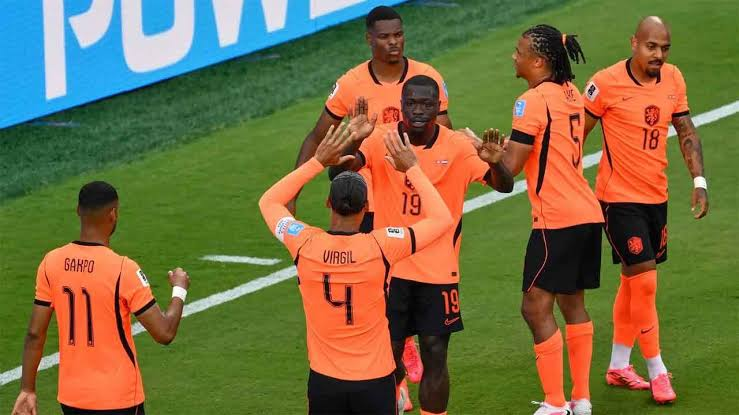
The Netherlands wrapped up an impressive group-stage campaign with a convincing 3-1 victory over Tunisia, securing top spot in Group F and strengthening their reputation as one of the standout teams at the 2026 FIFA World Cup.
Ronald Koeman’s side finished the opening phase unbeaten, collecting seven points while scoring 10 goals across three matches. Their balanced mix of attacking firepower, defensive stability and set-piece efficiency has transformed them from outside contenders into a team capable of challenging for the biggest prize.
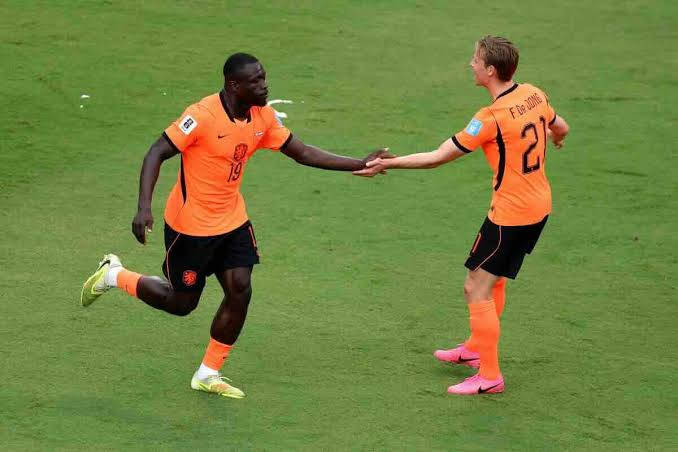
Match Summary
The Dutch made the perfect start in Dallas, taking the lead after just two minutes.
Denzel Dumfries whipped an inviting cross into the penalty area, where Tunisia captain Ellyes Skhiri accidentally turned the ball into his own net under pressure.
Before Tunisia had recovered, the Netherlands doubled their advantage.
A dangerous free-kick found Virgil van Dijk, whose clever flick sent Brian Brobbey through to finish from close range and make it 2-0.
Tunisia briefly threatened a comeback after Hazem Mastouri headed home from a corner early in the second half, but any hopes of a fightback disappeared when Jan Paul van Hecke powered in another set-piece header to restore the two-goal cushion.
From there, the Dutch comfortably controlled possession and closed out another dominant performance.
Match Statistics
| Statistic | Netherlands | Tunisia |
|---|---|---|
| Final Score | 3 | 1 |
| Group Position | 1st | 4th |
| Points | 7 | 0 |
| Goals Scored | 10 | 3 |
| Goals Conceded | 4 | 9 |
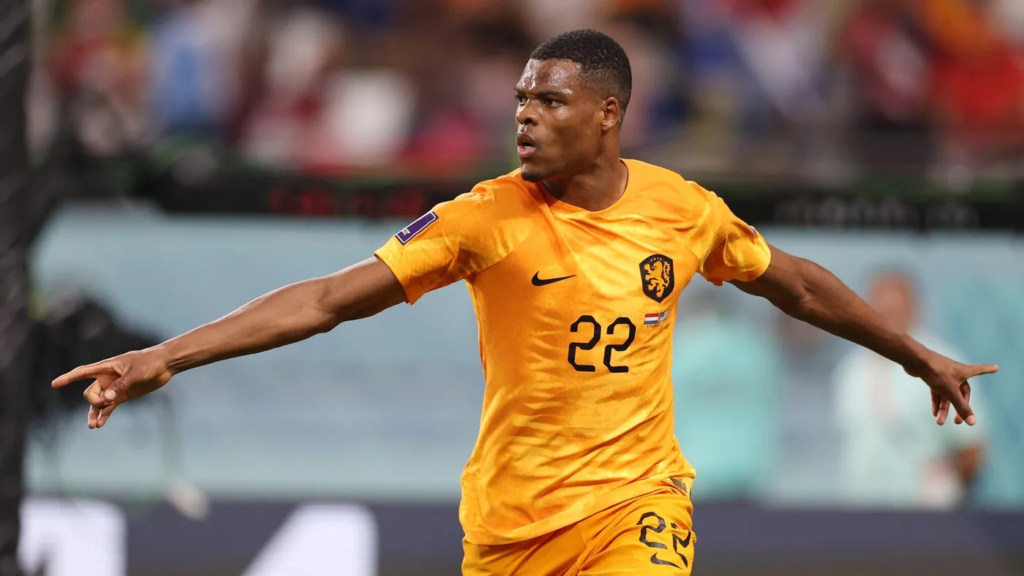
Why the Netherlands Look Like Genuine Contenders
A balanced attacking threat
Few teams have looked as dangerous going forward.
The Netherlands have found goals from almost every area of the pitch, with Brian Brobbey, Cody Gakpo, Dumfries, Van Hecke and Virgil van Dijk all contributing during the group stage.
Their variety makes them extremely difficult to defend, whether through quick attacks, crosses or set pieces.
Set pieces becoming a major weapon
Against Tunisia, two of the three goals originated from dead-ball situations.
Koeman’s squad possesses outstanding aerial strength through Van Dijk and Van Hecke, while Dumfries consistently delivers dangerous crosses from wide areas.
Those qualities could become decisive during tight knockout matches.
Defensive consistency
Although Tunisia managed to score from a corner, the Dutch defence has remained organised throughout the tournament.
The balance between experienced leaders like Van Dijk and attacking wing-backs has allowed the Netherlands to dominate matches without sacrificing defensive stability.
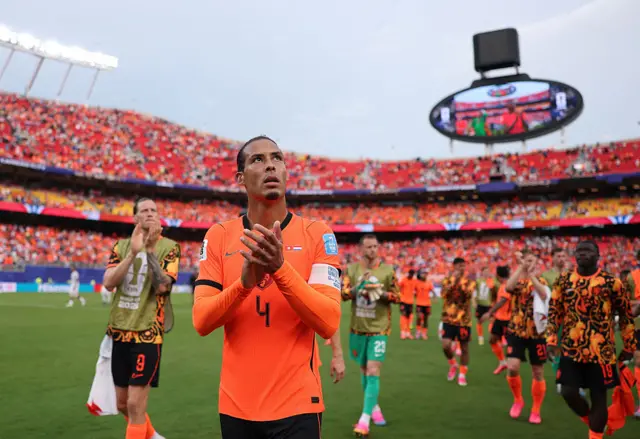
Player of the Match
🏆 Denzel Dumfries (Netherlands)
The right wing-back once again proved indispensable.
His early cross forced the opening own goal, he constantly stretched Tunisia’s defence, and his attacking movement created problems throughout the match.
Dumfries continues to be one of the tournament’s most influential full-backs.
What Comes Next?
The Netherlands now prepare for a fascinating Round of 32 clash against Morocco in Dallas.
While the Dutch enter as slight favourites after an unbeaten group campaign, Morocco possess enough quality and experience to make life difficult after finishing runners-up behind Brazil.
The winner will meet either Canada or South Africa in the Round of 16, offering a realistic opportunity to continue a deep World Cup run.
Final Verdict
The Netherlands have quietly built one of the strongest resumes of any team heading into the knockout rounds.
Ten goals, an unbeaten record and convincing performances against three different opponents demonstrate a side capable of adapting tactically while remaining dangerous in every phase of play.
With confidence growing and key players hitting top form, Ronald Koeman’s men are no longer outsiders. They have earned their place among the genuine contenders for the 2026 FIFA World Cup.