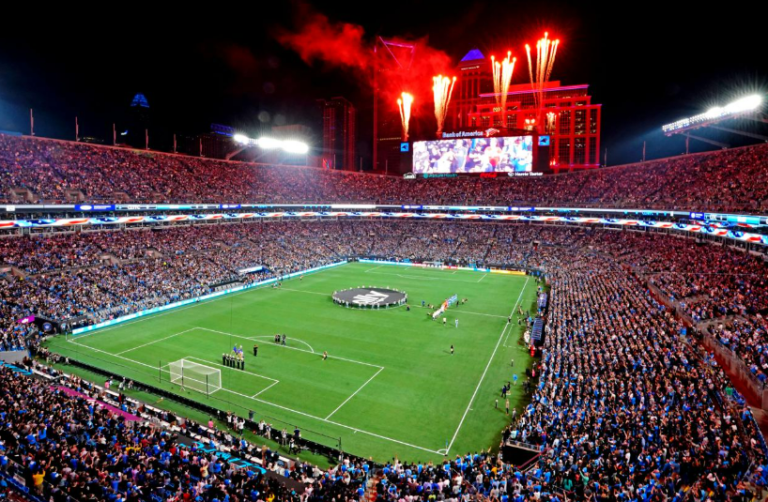

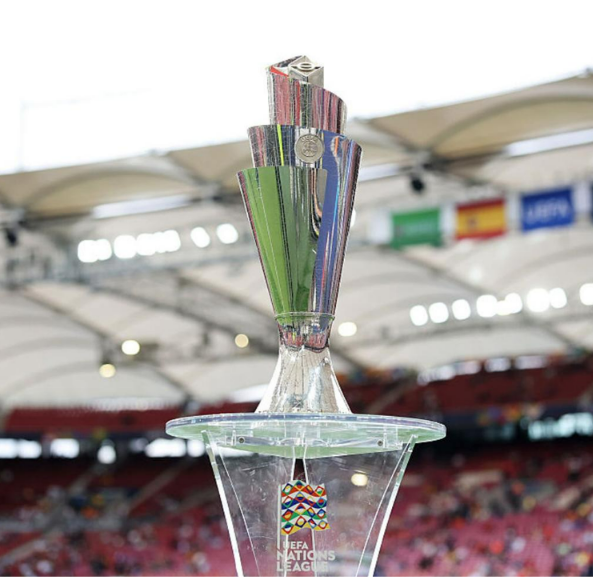
Introduction
For many years, international football had a problem: friendly matches between national teams often lacked excitement.
Fans wanted competitive games instead of meaningless friendlies.
In 2018, UEFA created the UEFA Nations League, a tournament designed to give every European national team more important matches throughout the season.
The competition creates promotion battles, relegation fights, and a final tournament where teams compete for a trophy.
What Is the UEFA Nations League?
The UEFA Nations League is a competition involving UEFA’s national teams.
Instead of random friendly matches, countries play against teams of similar strength.
The tournament is played every two years and runs alongside European Championship and World Cup qualifying campaigns.
The main goals are:
- Create competitive international matches
- Improve opportunities for smaller nations
- Give teams a chance to win a trophy
How Are Teams Divided?

European teams are divided into four leagues:
League A
The strongest teams in Europe.
Examples:
- France
- Spain
- Germany
- Italy
- England
These teams compete for the Nations League title.
League B
Strong national teams that compete for promotion to League A.
League C
Mid-level European nations.
League D
The lowest-ranked teams in UEFA.
The system works like a football ladder:
⬆️ Win your group = promotion
⬇️ Finish last = relegation
How Does the Group Stage Work?

Each league is divided into groups.
Teams play:
- Home match
- Away match
Points system:
- Win = 3 points
- Draw = 1 point
- Loss = 0 points
At the end:
League A
Group winners qualify for the knockout stage.
Other Leagues
Group winners usually earn promotion.
Bottom teams may be relegated.
The Nations League Finals
The biggest prize is in League A.
The four group winners enter the final tournament.
It includes:
- Two semi-finals
- Third-place match
- Final
The winner becomes UEFA Nations League champion.
Promotion and Relegation Explained

The Nations League works like club football leagues.
Example:
A team in League B wins its group.
➡️ Next edition, it plays in League A.
A team finishes bottom of League A.
➡️ It drops to League B.
This gives every team something to fight for.
Why Was the Nations League Created?
Before the tournament, international football had many friendly matches.
Problems:
- Players were not always motivated
- Fans lost interest
- Smaller nations had fewer competitive opportunities
The Nations League changed this by making every match meaningful.
A match between two smaller countries can now decide promotion or survival.
UEFA Nations League and Euro Qualification
The competition also provides another route to major tournaments.
Teams can sometimes use Nations League performances to enter playoff spots for European Championship qualification.
This gives countries another chance if their normal qualifying campaign goes badly.
Biggest Nations League Winners
Some of the successful teams include:
🏆 Portugal national football team
🏆 France national football team
🏆 Spain national football team
Difference Between Nations League and European Championship
| UEFA Nations League | European Championship |
|---|---|
| Every 2 years | Every 4 years |
| League format | Traditional tournament |
| Promotion/relegation system | Qualification then finals |
| Smaller competitive matches | Biggest European national tournament |
| More frequent | More prestigious |
Advantages of the Nations League
✅ More meaningful matches
✅ Better competition for smaller nations
✅ More opportunities for young players
✅ Creates new football rivalries
Criticism of the Nations League
Some fans argue:
- The football calendar is already crowded
- Players need more rest
- Another tournament makes the season longer
Others believe it improved international football.
Quick Summary
- The UEFA Nations League replaced many international friendlies.
- Teams are divided into Leagues A, B, C, and D.
- Teams can be promoted or relegated.
- League A winners compete for the trophy.
- The competition gives every country something to fight for.
Final Thoughts
The Nations League added a new layer to international football. It turned ordinary national team games into battles with real consequences.
For big nations, it is a trophy opportunity. For smaller nations, it is a chance to climb the European football mountain one step at a time.