
The 2026 FIFA World Cup has introduced a historic new format featuring 48 teams and 104 matches, but not everyone is convinced the expansion has improved football’s biggest tournament.
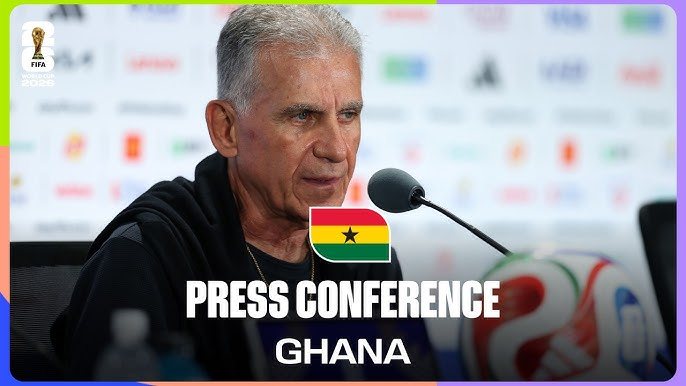
Ghana manager Carlos Queiroz became one of the strongest critics of the new structure after his side reached the knockout stage, claiming that the World Cup has lost some of the exclusivity that once made it so special.
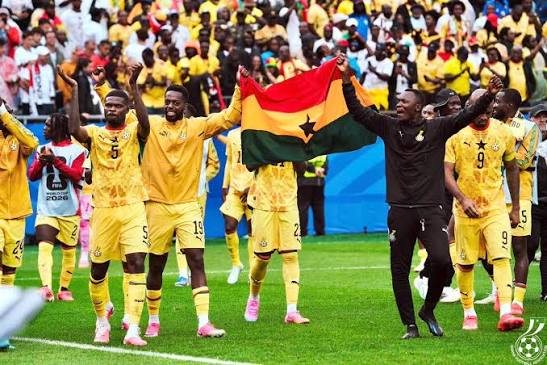
Ironically, Ghana themselves benefited directly from the expanded format, progressing to the Round of 32 despite finishing third in Group L.
Queiroz Questions FIFA’s Decision
Following Ghana’s qualification, Queiroz praised his players but used the opportunity to question FIFA’s decision to increase the tournament from 32 to 48 teams.
The experienced coach argued that qualification for the World Cup should remain one of the toughest achievements in international football.
According to Queiroz, increasing the number of participating nations risks reducing the tournament’s prestige.
He suggested that rarity is what gives the World Cup its unique value, warning that allowing too many teams to qualify could make the competition feel less exclusive than in previous editions.
His comments quickly became one of the biggest talking points of the tournament.
Africa Benefits From the New Format
While Queiroz criticized the expansion, Africa has arguably been the biggest winner under FIFA’s new system.
The Confederation of African Football doubled its automatic qualification places from five to ten teams for the 2026 tournament.
That historic increase allowed several nations to experience the World Cup for the first time, including Cape Verde, who became one of the surprise stories of the group stage after reaching the knockout rounds on their tournament debut.
DR Congo also qualified through the intercontinental playoffs, giving Africa a record-breaking level of representation.
For many supporters across the continent, the expansion has created opportunities that previously seemed almost impossible.
“Money Talks” in Modern Football
Perhaps Queiroz’s strongest criticism focused on the financial side of FIFA’s decision.
The Ghana coach argued that commercial interests have become increasingly influential in shaping football’s biggest competitions.
With the World Cup expanding from 64 matches in 2022 to 104 matches in 2026, FIFA has created significantly more broadcast opportunities, sponsorship exposure and ticket revenue.
Queiroz believes financial incentives are becoming a major factor behind these structural changes.
While FIFA continues to present expansion as a way to grow football globally, critics argue that increased revenues cannot be ignored when evaluating the decision.
FIFA’s Vision for Global Growth
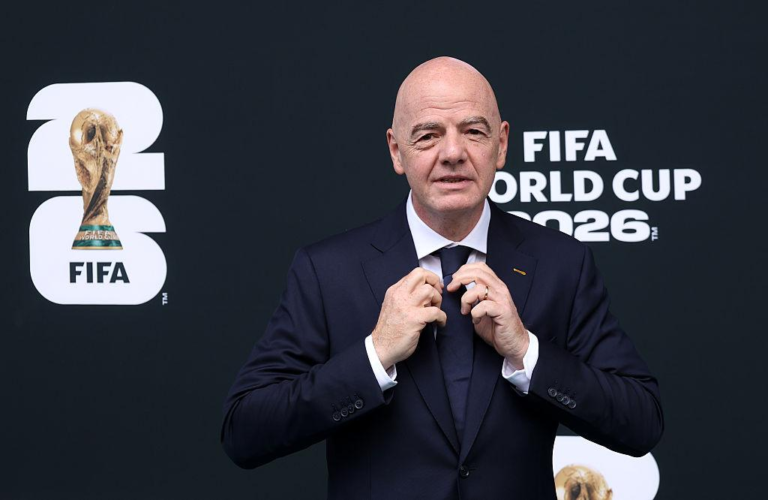
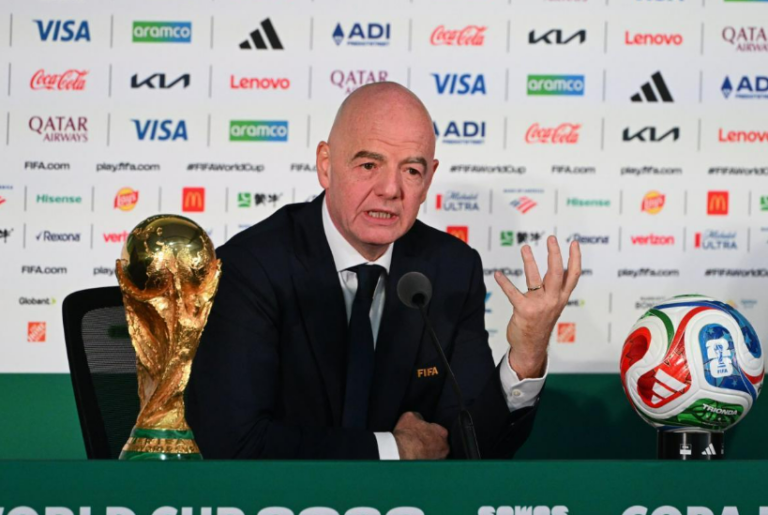
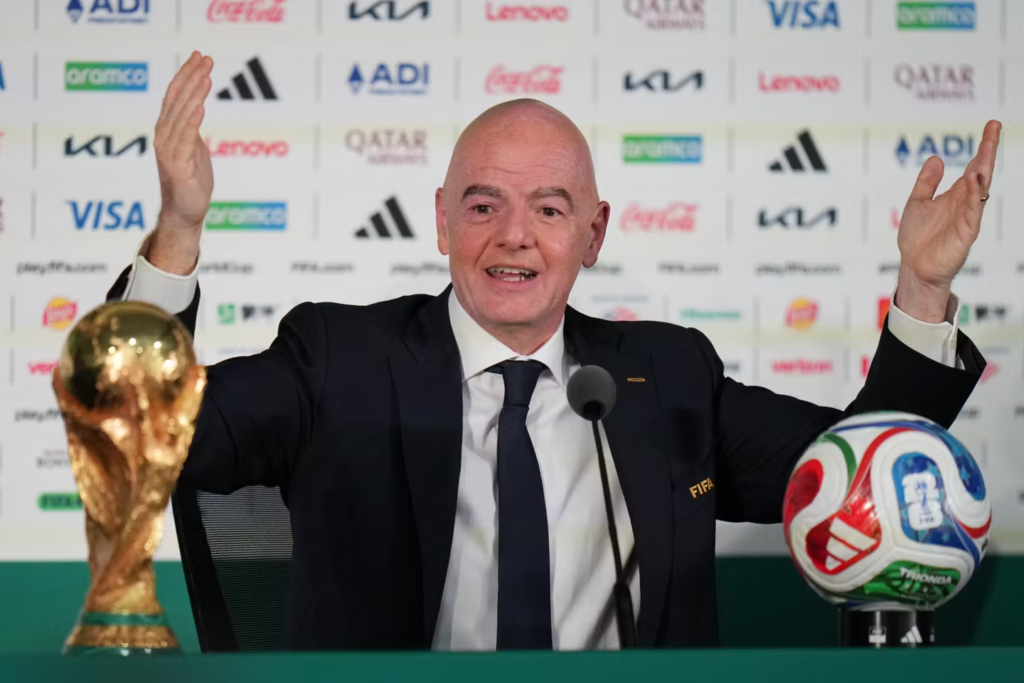
FIFA president Gianni Infantino has consistently defended the expanded tournament.
The governing body believes increasing the number of participating nations allows more countries to experience football’s biggest stage while helping develop the sport across every continent.
Smaller football nations now have a far greater chance of qualifying, bringing new stories, new supporters and greater global interest to the competition.
For many fans, seeing countries like Cape Verde, Curaçao and DR Congo compete has added fresh excitement to the tournament.
Could the World Cup Expand Again?
Despite ongoing debate surrounding the current format, reports have already suggested FIFA could consider expanding the tournament even further.
A future 64-team World Cup has been discussed as a possible option for 2030 or beyond.
Such a format could simplify qualification for the knockout rounds by introducing 16 groups of four teams, with the top two advancing directly to the Round of 32.
Supporters argue this system would remove the complicated ranking of third-placed teams while maintaining greater drama during the group stage.
However, critics fear another expansion would further reduce the competitiveness of qualification campaigns around the world.
Final Verdict
The 2026 World Cup has already shown both the advantages and challenges of FIFA’s expanded tournament.
New nations have enjoyed historic opportunities, underdogs have captured global attention and millions of new fans have become part of football’s biggest celebration.
At the same time, voices like Carlos Queiroz continue to question whether increasing the number of participants risks reducing the prestige that made the World Cup unique for generations.
Whether FIFA keeps the current format or expands again in the future, the debate over quality versus inclusivity is likely to continue long after the final whistle of World Cup 2026.