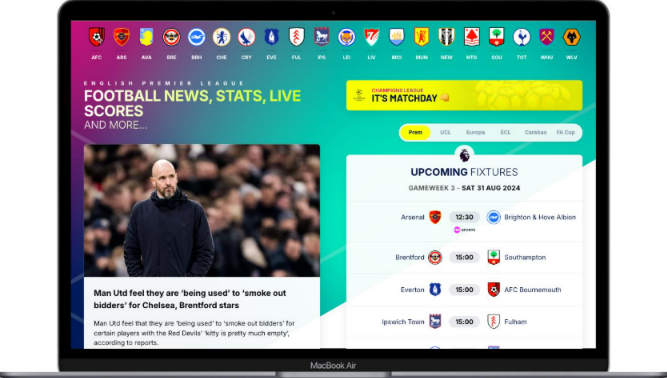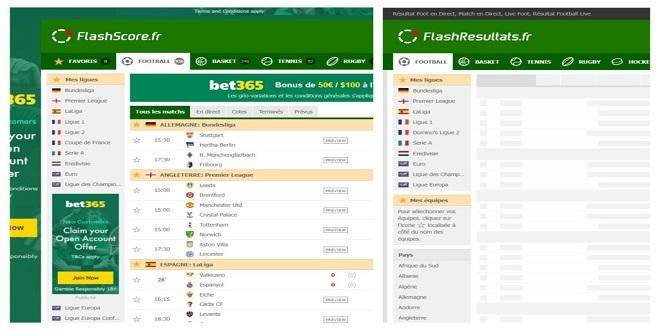


Football websites attract millions of visitors every month, covering everything from live scores and transfer news to tactical analysis and player statistics. While fans enjoy free access to much of this content, running a successful football website isn’t free. Behind every article, live update, and statistics page is a business model designed to generate revenue.
The most successful football websites don’t rely on just one source of income. Instead, they combine advertising, affiliate marketing, subscriptions, sponsorships, and other revenue streams to build sustainable businesses.
In this guide, we’ll explore the most common ways football websites make money and why diversification has become essential in today’s digital landscape.
Quick Overview
| Revenue Source | Difficulty | Income Potential | Best For |
|---|---|---|---|
| Display Advertising | Easy | ⭐⭐⭐⭐☆ | High-traffic websites |
| Affiliate Marketing | Medium | ⭐⭐⭐⭐⭐ | Product reviews |
| Sponsored Content | Medium | ⭐⭐⭐⭐☆ | Established brands |
| Premium Memberships | Hard | ⭐⭐⭐⭐⭐ | Exclusive content |
| Digital Products | Medium | ⭐⭐⭐⭐☆ | Coaches & analysts |
| Email Marketing | Medium | ⭐⭐⭐⭐☆ | Audience retention |
| YouTube | Medium | ⭐⭐⭐⭐⭐ | Video creators |
| Merchandise | Medium | ⭐⭐⭐☆☆ | Brand building |
Display Advertising
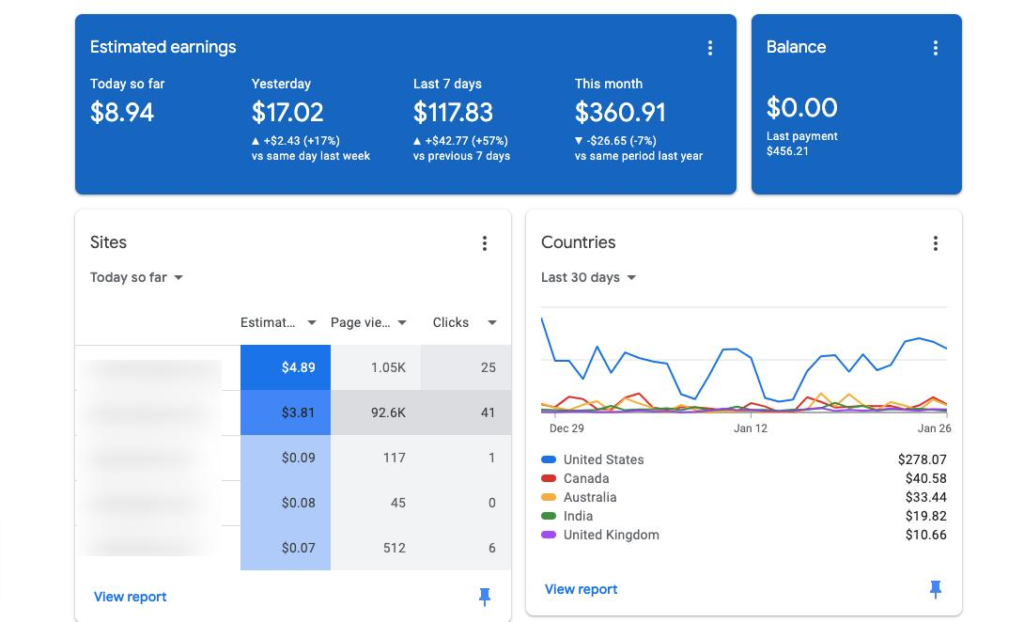
Advertising remains the primary income source for many football websites.
Whenever visitors browse articles or match previews, they often see banner ads, video ads, or native advertisements placed throughout the page.
Common Advertising Formats
- Banner ads
- Sticky ads
- Sidebar advertisements
- In-article ads
- Video advertisements
- Mobile display ads
Revenue usually depends on:
- Number of visitors
- Page views
- Visitor location
- Ad engagement
- Seasonal demand
Large tournaments such as the FIFA World Cup or UEFA Champions League often generate higher advertising earnings because traffic increases significantly.

Affiliate Marketing
Affiliate marketing has become one of the most profitable revenue streams for football publishers.
Instead of selling products directly, websites recommend football-related products and earn a commission whenever readers make a purchase.
Popular Affiliate Categories
- Football boots
- Jerseys
- Match tickets
- Streaming services
- Fantasy football tools
- Training equipment
For example, a football boot review may include links to online retailers. If a visitor buys through that link, the website earns a commission at no additional cost to the customer.
Sponsored Content

Brands frequently collaborate with football websites to promote products or services.
Sponsored content can include:
- Product reviews
- Brand partnerships
- Match campaign promotions
- Equipment showcases
- App recommendations
High-quality football websites usually label sponsored articles clearly to maintain transparency and trust with readers.
Premium Memberships

Many football publishers now combine free content with subscription-based services.
Premium members may receive access to:
- Exclusive tactical analysis
- Advanced player statistics
- Detailed scouting reports
- Ad-free browsing
- Members-only newsletters
- Early access to new content
Subscription revenue helps reduce dependence on advertising and provides predictable monthly income.
Selling Digital Products
Many football websites create their own digital products to generate additional revenue.
| Product | Purpose |
|---|---|
| Football eBooks | Coaching guides and football education |
| Tactical Templates | Match analysis resources |
| Training Programs | Player development plans |
| Data Spreadsheets | Scouting and statistics |
| Printable Coaching Sessions | Youth coaching support |
Digital products often require no physical inventory, making them a scalable long-term business model.

Email Marketing
A strong email list is one of the most valuable assets for any football website.
Newsletters allow publishers to:
- Share new articles
- Promote affiliate products
- Announce premium content
- Increase repeat visitors
- Build long-term relationships with readers
Unlike social media platforms, email subscribers remain an audience you can reach directly.
YouTube and Video Content
Many football websites expand beyond written articles by creating video content.
Videos can generate revenue through:
- Advertising
- Sponsorships
- Channel memberships
- Affiliate links
- Brand partnerships
Combining a website with a YouTube channel helps reach fans who prefer video content while strengthening your overall brand.
Merchandise Sales
Established football websites sometimes launch branded merchandise.
Popular products include:
- T-shirts
- Hoodies
- Caps
- Mugs
- Stickers
- Training accessories
Although merchandise may not generate the highest revenue initially, it strengthens community engagement and brand recognition.
Live Scores and Statistics Services

Football data has become increasingly valuable.
Websites offering live scores and advanced analytics can monetize through:
- Premium subscriptions
- API access
- Licensing agreements
- Display advertising
- Sponsorships
Clubs, media companies, fantasy football platforms, and analytics firms all rely on detailed football data.
Search Engine Traffic (SEO)

Many successful football websites depend heavily on search engines for visitors.
Publishing high-quality, SEO-friendly content helps websites rank for searches such as:
- Match previews
- Football tactics
- Player statistics
- Tournament guides
- Transfer news
- Football history
Higher rankings often result in:
- Increased advertising revenue
- More affiliate commissions
- Additional newsletter subscribers
- Greater sponsorship opportunities
Consistent publishing remains one of the strongest long-term SEO strategies.
Estimated Revenue Sources Comparison
| Revenue Method | Passive Income | Scalability | Startup Cost |
|---|---|---|---|
| Display Ads | ⭐⭐⭐⭐☆ | ⭐⭐⭐⭐⭐ | Low |
| Affiliate Marketing | ⭐⭐⭐⭐⭐ | ⭐⭐⭐⭐⭐ | Low |
| Sponsored Posts | ⭐⭐⭐☆☆ | ⭐⭐⭐⭐☆ | Low |
| Memberships | ⭐⭐⭐⭐⭐ | ⭐⭐⭐⭐☆ | Medium |
| Digital Products | ⭐⭐⭐⭐⭐ | ⭐⭐⭐⭐☆ | Medium |
| YouTube | ⭐⭐⭐⭐☆ | ⭐⭐⭐⭐⭐ | Medium |
| Merchandise | ⭐⭐⭐☆☆ | ⭐⭐⭐☆☆ | Medium |
Why Multiple Revenue Streams Matter

Relying on a single source of income can be risky.
Advertising rates fluctuate, search engine rankings change, and sponsorship opportunities vary throughout the year.
Successful football websites usually combine several monetization methods, including:
- Display advertising
- Affiliate marketing
- Premium memberships
- Sponsored content
- Digital products
- YouTube
- Merchandise
- Email marketing
Diversification creates a more stable and resilient online business.
Tips for Building a Profitable Football Website
If you’re planning to launch your own football website, consider these strategies:
- Publish original, high-quality content consistently.
- Focus on a specific niche before expanding.
- Optimize every article for search engines.
- Build an email subscriber list from day one.
- Diversify your income sources over time.
- Prioritize a fast, mobile-friendly user experience.
- Earn trust with accurate, transparent reporting.
Long-term success usually comes from delivering consistent value rather than chasing short-term traffic spikes.
Frequently Asked Questions

How do most football websites make money?
The majority generate revenue through a combination of display advertising, affiliate marketing, sponsored content, premium subscriptions, and digital product sales.
Is advertising enough to run a football website?
Advertising can be profitable for high-traffic sites, but most successful publishers diversify with affiliate partnerships, memberships, and sponsorships to reduce risk.
Can a small football blog earn money?
Yes. Even niche football websites can earn income through affiliate marketing, display ads, sponsored posts, and email marketing as their audience grows.
Which monetization method is the most profitable?
There is no single best method. Websites with loyal audiences often achieve the highest long-term success by combining multiple revenue streams rather than relying on one source.
Final Thoughts
Football websites have evolved into sophisticated digital businesses that generate revenue through much more than advertising. Affiliate marketing, premium memberships, sponsorships, digital products, video content, and email marketing all play important roles in building a sustainable income.
The most successful publishers focus on delivering valuable content first, then gradually introduce multiple monetization strategies. By combining quality journalism, smart SEO, and diversified revenue streams, football websites can transform passionate audiences into thriving online businesses while continuing to provide valuable content for fans around the world.