

Football statistics have evolved far beyond goals, assists, and possession. Today, analysts use advanced metrics to understand how teams defend, attack, and control matches. One of the most widely used defensive metrics is PPDA, a statistic that helps measure how aggressively a team presses its opponents.
You’ll often see PPDA mentioned during tactical analysis, especially when discussing teams known for intense pressing. But what exactly does it mean, and why has it become such an important part of modern football?
In this guide, we’ll break down PPDA in simple terms and explain how coaches, analysts, and fans use it to evaluate a team’s defensive style.
What Does PPDA Stand For?
PPDA stands for Passes Per Defensive Action.
It measures how many passes the opposition is allowed to complete before the defending team attempts a defensive action in advanced areas of the pitch.
These defensive actions typically include:
- Tackles
- Interceptions
- Fouls
- Defensive challenges
- Pressures that disrupt possession
The lower the PPDA, the more aggressively a team presses its opponent.
How Does PPDA Work?
Imagine Team A is trying to build an attack from the back.
If Team B immediately closes down the ball and forces mistakes after only a few passes, Team B will have a low PPDA.
If Team B sits deep and allows many passes before attempting to win the ball, it will have a high PPDA.
In simple terms:
| PPDA Value | What It Usually Means |
|---|---|
| 5 to 8 | Very aggressive pressing |
| 8 to 10 | Strong pressing |
| 10 to 14 | Balanced approach |
| Above 14 | Passive or deep defending |
These numbers aren’t fixed rules, but they provide a useful way to compare teams.
Why PPDA Matters
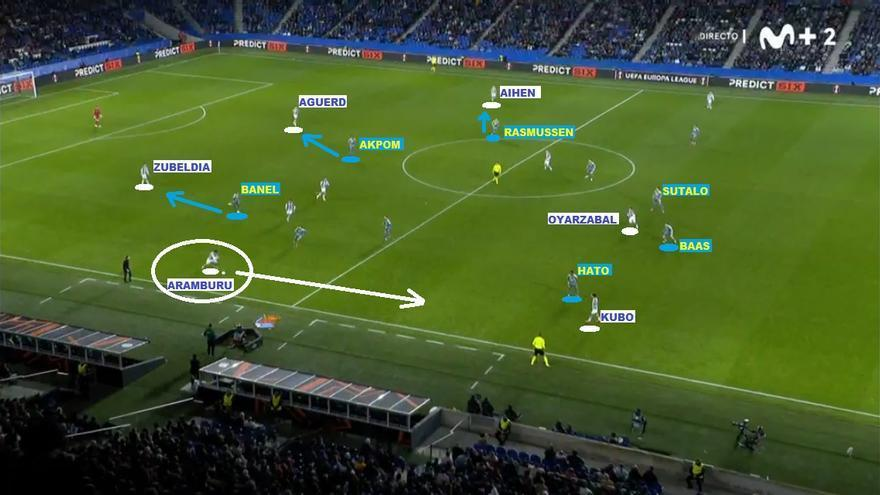
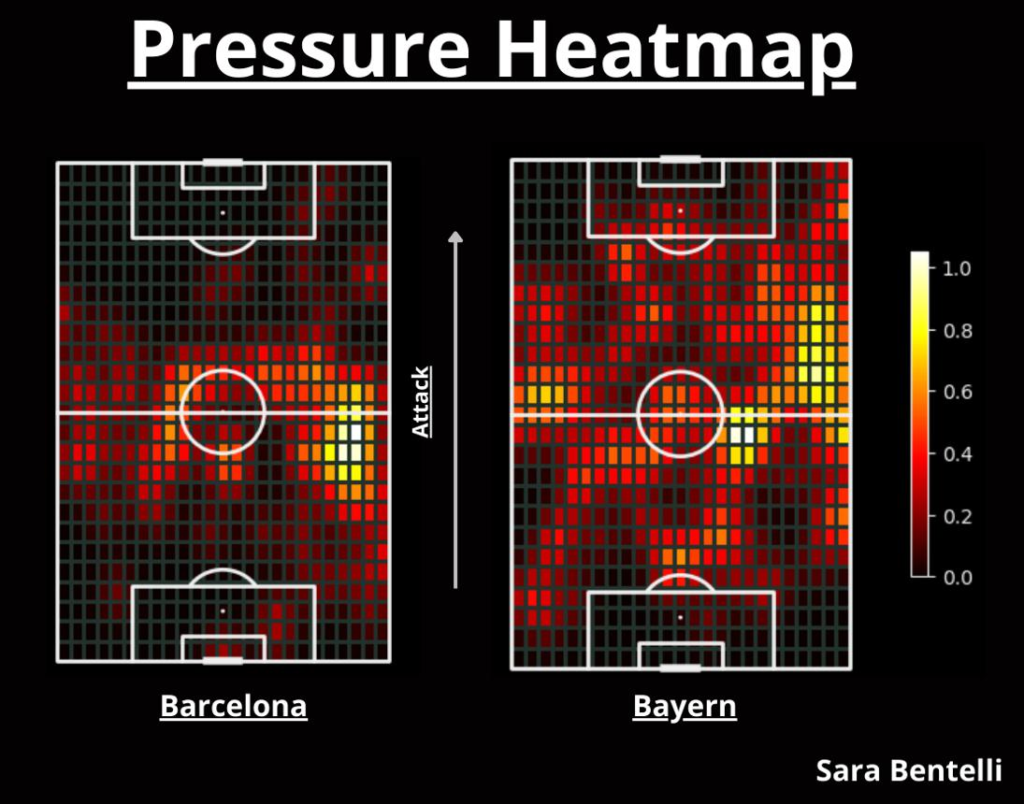
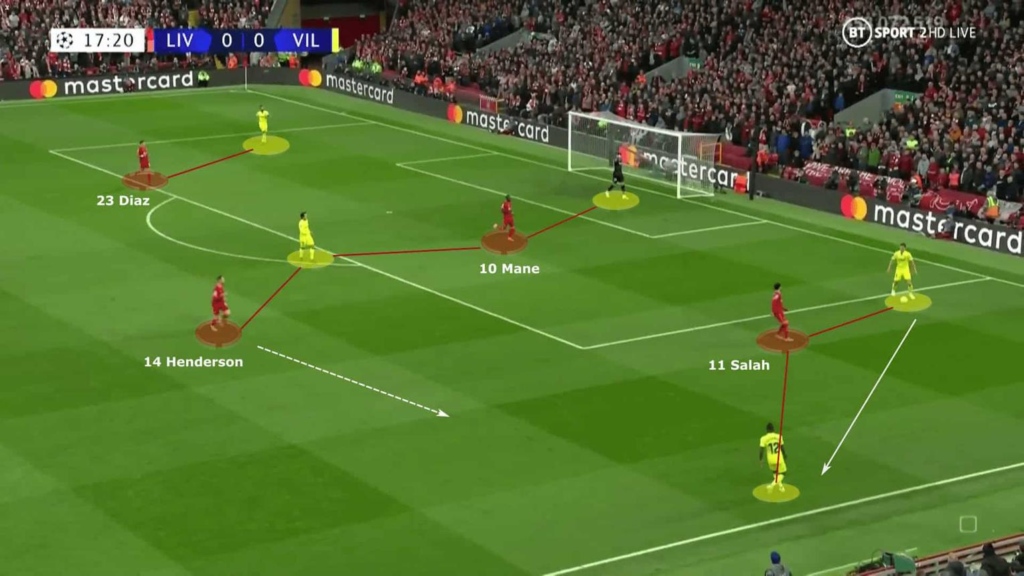
Pressing has become one of the defining features of modern football.
Instead of waiting in their own half, many teams try to regain possession as quickly as possible.
PPDA helps answer questions like:
- Does a team press aggressively?
- How early do they challenge opponents?
- Are they comfortable defending high up the pitch?
- How much time do they allow opponents on the ball?
Because of this, PPDA has become a key metric for tactical analysts and coaches.
Low PPDA vs High PPDA
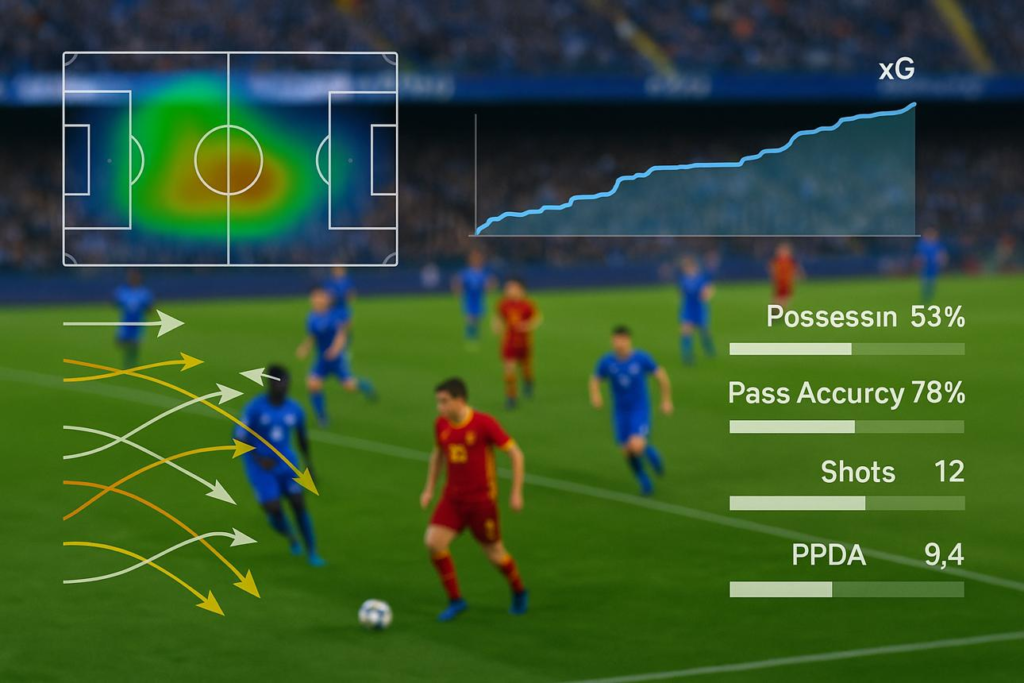
Two teams can achieve success using completely different defensive approaches.
Low PPDA
Teams with a low PPDA usually:
- Press immediately after losing possession
- Force opponents into mistakes
- Defend high up the pitch
- Recover the ball quickly
- Play with high intensity
High PPDA
Teams with a high PPDA generally:
- Defend deeper
- Stay compact
- Allow more passing before pressing
- Focus on protecting space
- Wait for counter-attacking opportunities
Neither approach is automatically better. The effectiveness depends on the team’s tactics and players.
Which Teams Often Have Low PPDA?
Several top clubs have built their identities around aggressive pressing.
Examples include teams coached by managers such as:
- Jürgen Klopp
- Pep Guardiola
- Marcelo Bielsa
- Hansi Flick
- Xabi Alonso
Although their systems differ, all of them have often favored winning the ball back quickly through coordinated pressing.
PPDA Doesn’t Tell the Whole Story
While PPDA is useful, it has limitations.
A team may record a low PPDA but still defend poorly if:
- The press lacks organization.
- Players leave large spaces behind them.
- The defensive line is exposed.
- Opponents easily break through the press.
Likewise, teams with a high PPDA can remain extremely effective by defending in a disciplined low block and launching dangerous counter-attacks.
For this reason, analysts usually combine PPDA with other statistics.
Statistics Often Used Alongside PPDA
To gain a more complete picture, analysts frequently compare PPDA with other metrics.
| Statistic | What It Measures |
|---|---|
| Possession | Ball control |
| Expected Goals (xG) | Chance quality |
| Tackles Won | Defensive success |
| Interceptions | Reading the game |
| Ball Recoveries | Winning possession |
| High Turnovers | Regaining the ball in advanced areas |
Together, these statistics help explain how a team defends and transitions into attack.
Why Coaches Use PPDA

Modern coaching staffs analyze PPDA to improve both defensive organization and pressing efficiency.
They use it to:
- Measure pressing intensity
- Compare performances between matches
- Study opponents
- Evaluate tactical adjustments
- Track player work rate
A coach might notice that a team’s PPDA rises significantly in the second half, indicating that fatigue is reducing the effectiveness of the press.

Can Individual Players Influence PPDA?
Absolutely.
Although PPDA is mainly a team statistic, certain players can have a major impact.
These include:
- Energetic forwards who lead the press
- Midfielders who quickly close passing lanes
- Defenders comfortable holding a high line
- Goalkeepers who sweep behind the defense
Successful pressing depends on collective movement, but individual work rate is equally important.
Why Fans Should Understand PPDA
Learning about PPDA helps fans appreciate aspects of football that don’t always appear on the scoresheet.
Instead of focusing only on goals and possession, supporters can better understand:
- Defensive intensity
- Tactical discipline
- Pressing strategies
- Team identity
- Coaching philosophy
It adds another layer of insight when watching matches or reading post-game analysis.
Final Thoughts
PPDA, or Passes Per Defensive Action, has become one of the most valuable statistics in modern football analysis. By measuring how quickly a team applies defensive pressure, it offers a simple yet powerful way to evaluate pressing intensity and tactical style.
While it shouldn’t be viewed in isolation, PPDA provides important context when combined with other defensive and attacking metrics. Whether you’re a casual supporter or an aspiring analyst, understanding PPDA will help you see the game through a more tactical lens and appreciate the strategies that shape today’s highest-level football.