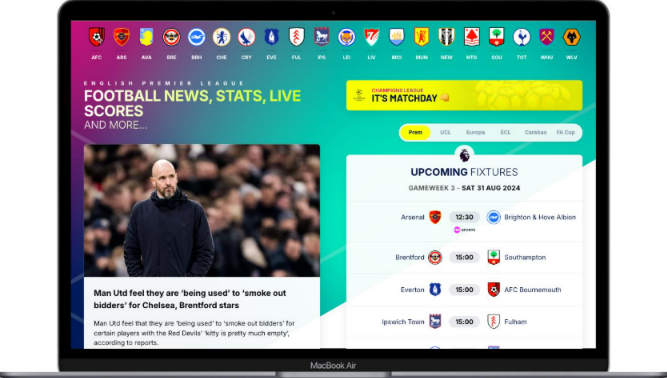


Every Transfer Rumor Isn’t Real
Every transfer window brings thousands of rumors linking players with clubs around the world. Social media explodes with claims of surprise signings, secret negotiations, and last-minute deals. Some stories become reality, while many disappear within hours.
For football fans, it can be difficult to know which reports deserve attention and which should simply be ignored. This is where professional football news websites play a crucial role. Before publishing transfer stories, reputable outlets follow a verification process designed to separate genuine information from speculation.
Understanding that process helps explain why trusted websites often publish transfer news later than social media but with far greater accuracy.
Quick Summary
| Topic | Explanation |
|---|---|
| Main Goal | Verify transfer rumors before publication |
| Main Sources | Clubs, agents, journalists, player representatives |
| Biggest Challenge | Distinguishing facts from speculation |
| Why It Matters | Prevents false reports and protects credibility |
Where Do Football Transfer Rumors Come From?
Transfer stories rarely begin with an official club announcement.
Instead, rumors usually originate from multiple places across the football industry. An agent may inform journalists that discussions have started. A club official could leak information to trusted reporters. Sometimes players themselves accidentally reveal clues through interviews or social media activity.
Supporters also contribute by spotting players at airports, training grounds, or medical centers. While these sightings often create excitement online, they rarely provide enough evidence to confirm that a transfer is actually happening.
Professional football websites treat these early reports as potential leads rather than confirmed news.

The Verification Process Behind Every Transfer Story
Before publishing a major transfer update, experienced football journalists usually follow several verification steps.
1. Contacting Club Sources
Many respected reporters maintain relationships with club executives, sporting directors, or media officers.
While clubs rarely reveal complete details, they may confirm whether negotiations are taking place or deny false reports.
2. Speaking with Agents
Football agents often play a major role during transfer negotiations.
Journalists regularly contact player representatives to understand whether talks are genuine, how advanced negotiations have become, and whether multiple clubs are involved.
Of course, agents also have their own interests, meaning their information must still be verified independently.
3. Confirming Through Multiple Sources
Perhaps the most important rule in football journalism is simple:
One source is rarely enough.
Trusted football websites normally wait until two or more independent sources confirm the same information before presenting it as credible news.
This approach dramatically reduces the risk of publishing incorrect stories.
Why Trusted Websites Sometimes Publish Later
Many fans wonder why reliable football websites appear slower than accounts on social media.
The answer is simple.
Professional journalists prioritize accuracy over speed.
Publishing incorrect transfer news can damage a publication’s reputation for years. Instead of rushing to be first, respected outlets often spend additional hours confirming details before releasing an article.
In football journalism, credibility is far more valuable than being a few minutes faster.
Understanding Different Types of Transfer Reports
Not every headline carries the same meaning.
| Report Type | Meaning |
|---|---|
| Rumor | Early speculation with limited evidence |
| Interest | A club is monitoring a player |
| Negotiations | Discussions between clubs or representatives have started |
| Advanced Talks | The deal is progressing well |
| Agreement Reached | Personal terms or club agreement completed |
| Official | The club confirms the signing |
Recognizing these differences helps fans better understand how close a transfer actually is.

Football journalist checking transfer information on multiple computer screens
How Social Media Changed Transfer Reporting
Platforms like X, Instagram, TikTok, and YouTube have transformed how transfer news spreads.
A single rumor can reach millions of football fans within minutes.
While this has made football news faster than ever, it has also increased the number of false reports circulating online.
Many accounts prioritize clicks and engagement rather than accuracy, making it more important than ever for supporters to verify information through trusted football websites.
Common Signs a Transfer Rumor Might Be Fake
Although no method is perfect, several warning signs often indicate that a transfer story lacks credibility.
- Only one unknown source is reporting the story.
- No respected journalist has confirmed the claim.
- The headline promises a “done deal” without evidence.
- The article provides no direct quotes or reliable sources.
- Old photos or outdated reports are being recycled.
- The financial details constantly change without explanation.
If multiple warning signs appear together, the rumor should be treated with caution.
Why Football Websites Protect Their Reputation
Successful football websites depend on trust.
Publishing inaccurate transfer stories may generate short-term traffic, but repeated mistakes quickly damage credibility with readers.
This is why the most respected football publications invest heavily in experienced journalists, editorial review, and fact-checking before publishing major transfer updates.
Accuracy builds loyal audiences far more effectively than sensational headlines.

Football fans reading transfer news on smartphones while following deadline day updates
Tips for Football Fans
If you enjoy following transfer news, these habits can help you separate reliable information from speculation.
- Read reports from multiple trusted sources.
- Wait for confirmation before believing major rumors.
- Pay attention to the wording used in headlines.
- Treat social media leaks with caution.
- Follow journalists with a proven record of accurate reporting.
These simple steps make it much easier to understand which transfer stories are likely to become reality.
Final Thoughts
Transfer rumors have become one of the most exciting parts of modern football, but they also create enormous amounts of misinformation. Behind every reliable transfer story is a careful process of checking sources, confirming details, and verifying facts before publication.
While social media delivers instant updates, trusted football news websites continue to rely on professional journalism to provide accurate information. By understanding how this verification process works, football fans can enjoy transfer season with greater confidence and avoid being misled by false reports.
Key Takeaways
- Reliable football websites verify transfer rumors before publishing.
- Most journalists confirm information with multiple independent sources.
- Clubs, agents, and player representatives all contribute to transfer reporting.
- Social media spreads rumors quickly but is not always reliable.
- Understanding transfer terminology helps fans judge how advanced a deal really is.
- Accuracy remains the most valuable asset for professional football news websites.