

Australia could not have asked for a better start to their FIFA World Cup 2026 campaign. Against a highly talented Turkish side making their long-awaited return to the tournament, the Socceroos delivered a disciplined and intelligent performance to secure a memorable 2-0 victory in Vancouver.
Before kick-off, many expected Turkey to control the game thanks to their technical quality and attacking firepower. In many ways, that prediction proved correct. Turkey dominated possession, created numerous chances, and spent long periods camped inside Australia’s half. Yet football is not always about who has the ball. Sometimes it is about who uses their moments best.
Australia showed exactly why tactical discipline remains one of the most valuable assets in tournament football. With goals from Nestory Irankunda and Connor Metcalfe, combined with an outstanding performance from goalkeeper Patrick Beach, the Socceroos produced one of their most impressive World Cup performances in recent years.
Australia Execute the Perfect Game Plan

From the opening whistle, it was clear that Australia arrived with a specific strategy.
Head coach Tony Popovic organized his side in a compact 5-4-1 formation designed to frustrate Turkey’s attack. Rather than competing for possession, Australia focused on defensive structure, compact spacing, and quick transitions whenever opportunities appeared.
Turkey enjoyed over 70% possession and attempted 30 shots throughout the match. However, possession statistics rarely tell the full story. Australia’s defensive organization forced Turkey into low-quality opportunities, limiting clear-cut chances despite their territorial dominance.
What Made Australia’s Tactics Effective?
| Tactical Element | Impact |
|---|---|
| Compact Defensive Shape | Reduced space between lines |
| Five-Man Backline | Neutralized central attacks |
| Quick Counterattacks | Exploited Turkey’s high positioning |
| Midfield Discipline | Limited creativity from key players |
| Patience Without the Ball | Frustrated Turkish rhythm |
Key Strengths ✅
- Excellent defensive organization
- Strong concentration throughout the match
- Effective counterattacking approach
- Smart game management
Weaknesses ❌
- Limited possession
- Few attacking opportunities
- Heavy reliance on defensive concentration
Personal Opinion
Tournament football often rewards teams that understand their strengths. Australia knew they would spend large portions of the game defending, and instead of fighting that reality, they embraced it. The result was a tactical performance that looked mature and well-prepared.
Nestory Irankunda Announces Himself on the World Stage
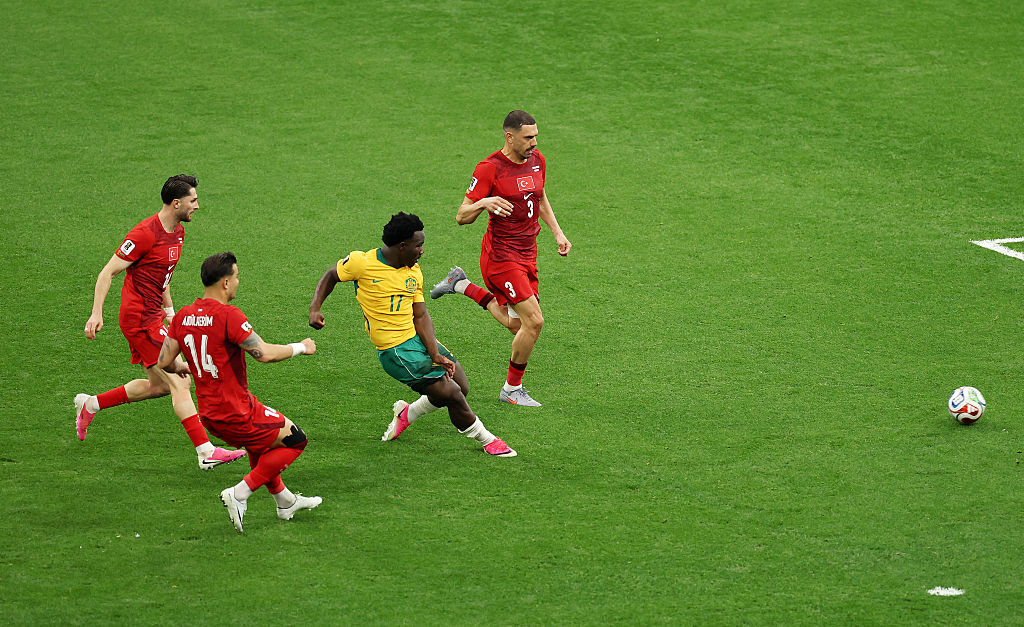
Big tournaments often create new stars, and Nestory Irankunda may have taken his first major step toward becoming one.
The young winger opened the scoring with a moment of individual brilliance. Receiving possession on the left flank, he used his pace and technical ability to escape his defender before calmly finishing past Ugurcan Cakir.
It was the type of goal that changes games and lifts entire teams.
Even more impressively, Irankunda’s goal made him the youngest Australian player ever to score at a World Cup, adding another remarkable chapter to his rapidly growing career.
Player Snapshot
| Category | Stat |
|---|---|
| Age | 20 |
| Goals | 1 |
| World Cup Debut | Yes |
| Match Impact | Outstanding |
What’s Great ✅
- Fearless attacking approach
- Excellent pace
- Clinical finishing
- Ability to create moments from nothing
What’s Weak ❌
- Still developing consistency
- Limited experience at international tournaments
Personal Opinion
Australia has produced several memorable World Cup heroes over the years. Irankunda has all the tools needed to become the next fan favorite if he continues performing at this level.
Turkey Dominated Possession But Lacked Solutions
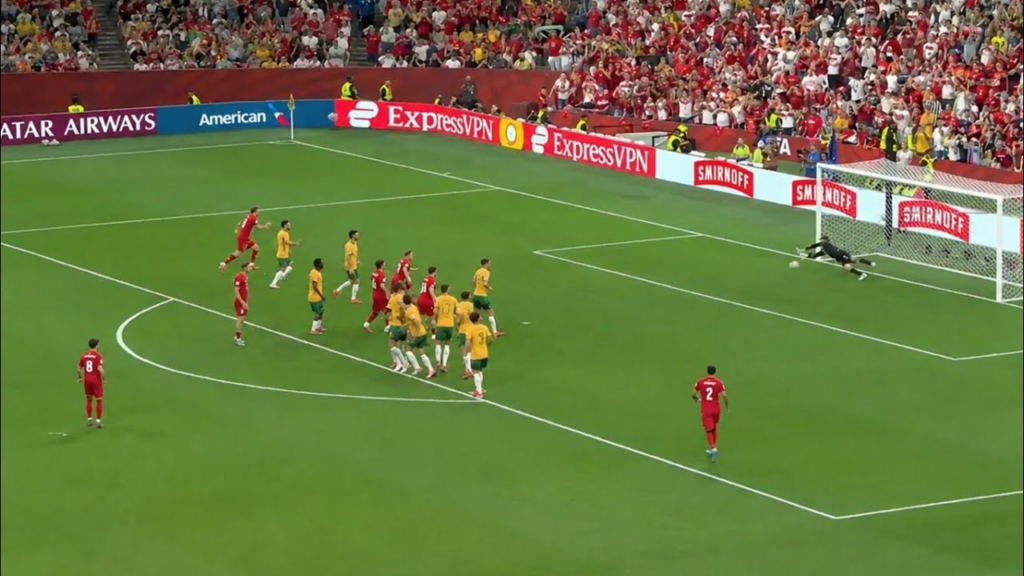
Turkey’s performance was not entirely poor. In fact, many of their statistics were impressive.
They controlled possession, completed numerous passes, and generated 30 shots. Yet they struggled to consistently break down Australia’s disciplined defensive structure.
Much of Turkey’s attacking play moved through crowded central areas where Australia had numbers behind the ball. Players such as Arda Guler and Hakan Calhanoglu showed flashes of quality, but they rarely found the space needed to influence the game in dangerous areas.
Why Turkey Struggled
| Issue | Effect |
|---|---|
| Overreliance on Central Play | Easier for Australia to defend |
| Limited Width | Reduced attacking variety |
| Few Clear Chances | Many low-quality shots |
| Frustration After Conceding | Decision-making declined |
What’s Great ✅
- Excellent ball retention
- Strong midfield control
- Positive attacking intent
What’s Weak ❌
- Lack of penetration
- Inefficient finishing
- Predictable attacking patterns
Personal Opinion
Turkey created enough pressure to make the match uncomfortable, but not enough quality chances to truly deserve victory. Sometimes dominating possession can create a false impression of control.
Patrick Beach Produces a World Cup Goalkeeping Masterclass
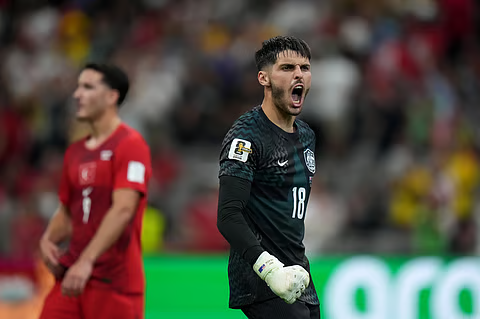
Every World Cup produces an unexpected hero.
For Australia, that hero was Patrick Beach.
Before the match, Tony Popovic’s decision to leave experienced goalkeeper Maty Ryan on the bench raised eyebrows. After 90 minutes, it looked like a stroke of genius.
The 22-year-old goalkeeper delivered eight saves and repeatedly denied Turkey’s biggest stars. Whether facing long-range efforts or dangerous opportunities inside the box, Beach showed remarkable composure and confidence.
Patrick Beach Match Performance
| Category | Number |
|---|---|
| Saves | 8 |
| Goals Conceded | 0 |
| Clean Sheet | Yes |
| Match Rating | Excellent |
What’s Great ✅
- Outstanding reflexes
- Strong positioning
- Calm under pressure
- Excellent shot-stopping
What’s Weak ❌
- Limited World Cup experience
- Small sample size at elite level
Personal Opinion
This felt like a career-defining performance. Goalkeepers often become legends during World Cups, and Beach may have just introduced himself to a global audience.
Key Match Statistics

| Statistic | Australia | Turkey |
|---|---|---|
| Goals | 2 | 0 |
| Possession | 28.3% | 71.7% |
| Shots | Fewer | 30 |
| Clean Sheet | Yes | No |
| Points Earned | 3 | 0 |
Quick Summary
| Category | Winner |
|---|---|
| Possession | Turkey |
| Defensive Performance | Australia |
| Goalkeeping | Australia |
| Finishing | Australia |
| Tactical Execution | Australia |
Group D Suddenly Becomes One of the Most Exciting Groups
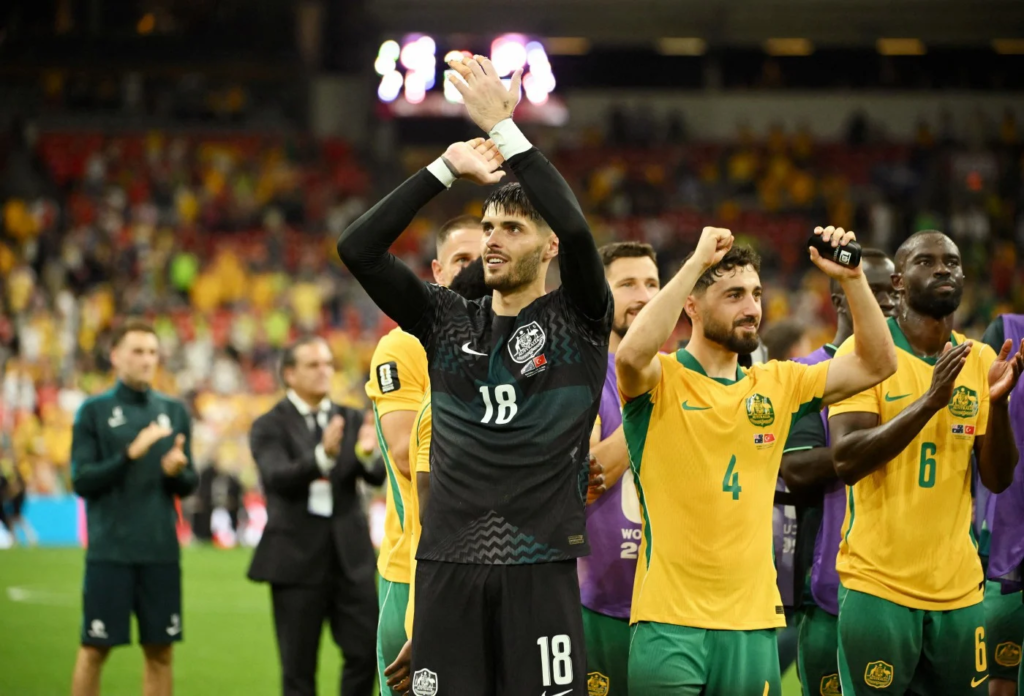
Australia’s victory has dramatically changed the early outlook of Group D.
With the United States defeating Paraguay 4-1 in the group’s other opening match, Australia now sits alongside the Americans on three points. Their upcoming clash could play a major role in deciding who finishes at the top of the group.
Meanwhile, Turkey enters its second match under immediate pressure. Despite showing plenty of positive signs, another defeat could seriously damage their qualification hopes.
Best Performers of the Match
| Player | Team | Performance |
|---|---|---|
| Patrick Beach | Australia | ⭐⭐⭐⭐⭐ |
| Nestory Irankunda | Australia | ⭐⭐⭐⭐⭐ |
| Connor Metcalfe | Australia | ⭐⭐⭐⭐ |
| John Souttar | Australia | ⭐⭐⭐⭐ |
| Arda Guler | Turkey | ⭐⭐⭐ |
Conclusion
Australia’s 2-0 victory over Turkey was not built on possession, flashy football, or overwhelming attacking numbers. It was built on discipline, organization, patience, and clinical finishing.
Tony Popovic’s tactical blueprint worked almost perfectly, while Patrick Beach delivered the type of performance that can define a World Cup campaign. Add in a historic goal from Nestory Irankunda and a brilliant finish from Connor Metcalfe, and the Socceroos suddenly look like one of the tournament’s early surprise packages.
Final Thoughts
Sometimes football rewards the team that works smarter rather than harder.
Turkey may have dominated the statistics, but Australia mastered the moments that mattered most. If the Socceroos continue defending with this level of commitment and efficiency, they could become one of the most difficult teams to face in World Cup 2026.