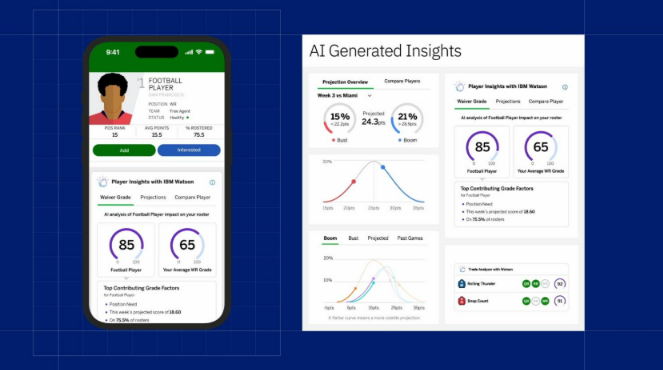

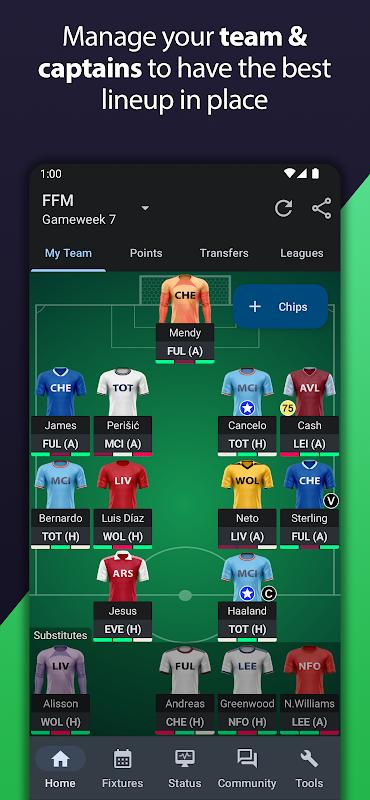


Fantasy football has completely changed the way millions of supporters experience the beautiful game. Instead of simply watching their favorite club each weekend, fans become virtual managers, building squads of real-life footballers and earning points based on how those players perform on the pitch.
Whether you’re competing against friends in a private league or battling millions of managers in global competitions, fantasy football adds excitement to every goal, assist, clean sheet, and save. Suddenly, even matches involving neutral teams become important because your fantasy squad depends on player performances across the entire league.
The popularity of fantasy football apps has grown rapidly thanks to their combination of strategy, football knowledge, and friendly competition. Managers must stay within a virtual budget, choose the right starting lineup, make smart transfers, and pick the perfect captain every gameweek.
If you’re new to fantasy football, this beginner’s guide explains exactly how fantasy football apps work, how points are scored, and the strategies that can help you build a competitive team throughout the season.
Quick Overview
| Feature | Description |
|---|---|
| Objective | Score more fantasy points than your opponents |
| Team Size | Usually 15 players |
| Budget | Fixed virtual budget (e.g., £100 million) |
| Transfers | Buy and sell players throughout the season |
| Captain | Earns double points |
| Vice-Captain | Replaces captain if they don’t play |
| Leagues | Public or private competitions |
What Is Fantasy Football?
Fantasy football is an online game where you become the manager of a virtual football team.
Instead of controlling players during matches, you select real-life footballers from different clubs. Every goal, assist, clean sheet, save, tackle, or other statistical contribution those players make in actual matches earns fantasy points for your team.
At the end of each gameweek, the manager with the highest score climbs the league standings.
The game combines football knowledge with strategic decision-making, rewarding managers who consistently make smart choices throughout the season.
Fantasy football is easy to learn but difficult to master. Success depends on understanding player form, upcoming fixtures, injuries, and tactical trends rather than simply selecting the biggest stars.
Step 1: Build Your Squad
Every fantasy football app begins by giving you a fixed virtual budget.
Your task is to assemble a balanced squad while staying within that spending limit.
A typical fantasy squad includes:
| Position | Number |
|---|---|
| Goalkeepers | 2 |
| Defenders | 5 |
| Midfielders | 5 |
| Forwards | 3 |
Because premium players cost significantly more, successful managers usually combine elite stars with lower-priced players who offer excellent value.
Finding hidden bargains is often one of the biggest differences between average and top-ranked fantasy managers.
A balanced squad also provides flexibility throughout the season, making it easier to deal with injuries, suspensions, and fixture congestion.
Step 2: Choose Your Starting Lineup
Although your squad contains 15 players, only your starting eleven score points each gameweek.
Before every round of fixtures, managers must decide:
- Starting XI
- Formation
- Captain
- Vice-captain
- Bench order
Choosing the right lineup is just as important as selecting the right players.
A footballer facing one of the league’s strongest defenses may score fewer fantasy points than a cheaper player facing weaker opposition. Successful managers regularly adjust their starting team based on fixture difficulty and current form rather than relying on reputation alone.
Step 3: Earn Points From Real Matches
The heart of every fantasy football game is its scoring system.
Your players earn points based entirely on their real-life performances during official matches. Every goal, assist, clean sheet, or defensive contribution adds to your weekly total, while yellow cards, red cards, and own goals can reduce your score.
Although different fantasy football platforms may use slightly different rules, the overall concept remains the same: players who perform well on the pitch reward your fantasy team.
Typical Scoring System
| Action | Points |
|---|---|
| Plays up to 60 minutes | 1 |
| Plays 60+ minutes | 2 |
| Goal (Forward) | 4 |
| Goal (Midfielder) | 5 |
| Goal (Defender/Goalkeeper) | 6 |
| Assist | 3 |
| Clean Sheet | 4 |
| Penalty Save | 5 |
| Yellow Card | -1 |
| Red Card | -3 |
| Own Goal | -2 |
Understanding the scoring system helps managers identify which players offer the best fantasy value. For example, attacking defenders often become extremely popular because they can earn points for both clean sheets and attacking returns.

Rather than simply chasing goalscorers, experienced fantasy managers build squads that maximize points across multiple categories.
Step 4: Make Transfers
No fantasy squad stays the same throughout an entire season.
As players get injured, lose form, or face difficult fixtures, managers must improve their teams through transfers.
Common reasons for making transfers include:
- Injuries
- Suspensions
- Poor form
- Difficult upcoming fixtures
- Rising player prices
- Rotation risk
- Fixture congestion
Most fantasy football games award one free transfer every gameweek.
Additional transfers are usually possible but often cost valuable points unless a special rule or chip is active.
Making smart transfers over a long season is one of the biggest differences between successful managers and casual players.
Rather than reacting after every poor performance, experienced managers usually plan several gameweeks ahead before making changes.
Step 5: Pick Your Captain

Choosing a captain is arguably the most important decision you make every week.
Your captain’s score is doubled, meaning the right choice can dramatically improve your overall ranking.
Example
| Player | Normal Points | Captain Points |
|---|---|---|
| Mohamed Salah | 10 | 20 |
| Erling Haaland | 8 | 16 |
| Bukayo Saka | 7 | 14 |
If your captain doesn’t play, the vice-captain usually receives the armband automatically, ensuring you don’t lose the captain bonus altogether.
Many experienced fantasy managers spend more time selecting their captain than making transfers because one decision can completely change a gameweek.
Bonus Chips and Special Features
Most fantasy football platforms include powerful bonus chips that managers can activate once or a limited number of times during the season.
Popular examples include:
- Triple Captain
- Bench Boost
- Free Hit
- Wildcard
Each chip offers a unique advantage and can significantly boost your score when used at the right time.
For example, activating a Triple Captain during a gameweek where your captain plays twice can produce huge returns, while a Wildcard allows managers to completely rebuild their squad without taking transfer penalties.
Using these chips strategically often separates top-ranked managers from the rest of the competition.

Join Public or Private Leagues
One of fantasy football’s biggest attractions is competing against other managers.
Most apps allow you to join either public competitions or private leagues.
Public Leagues
Public leagues place you against thousands, and sometimes millions, of fantasy managers from around the world.
They are ideal if you enjoy testing your skills against a large community.
Private Leagues
Private leagues let you compete with friends, family members, coworkers, or local football communities.
These leagues add a fun social element, with bragging rights often becoming just as important as finishing high in the global rankings.
Tips for Beginners
Success in fantasy football isn’t just about choosing famous players. The best managers consistently make informed decisions based on statistics, fixtures, injuries, and long-term planning.
Here are some beginner-friendly tips that can help improve your results throughout the season.
Don’t Pick Only Big Names
It can be tempting to fill your squad with the league’s biggest stars, but this usually leaves little budget for the rest of your team.
A balanced squad often performs better than one built entirely around expensive players. Budget-friendly footballers who play regularly can provide excellent value while allowing you to afford premium stars in key positions.
Watch Fixture Difficulty
Not every match offers the same scoring potential.
Players facing weaker opponents generally have a better chance of scoring goals, providing assists, or keeping clean sheets.
Many fantasy apps include fixture difficulty ratings that help managers plan several gameweeks in advance.
Monitor Injuries and Team News
Always check the latest injury reports before the gameweek deadline.
Selecting unavailable players means losing valuable points, especially if your captain misses a match.
Following official club news and press conferences can help you avoid unexpected absences.
Save Your Transfers
Using transfers every week isn’t always the best strategy.
Sometimes keeping your free transfer allows greater flexibility in future gameweeks, especially when injuries or fixture congestion become more significant.
Successful managers think several weeks ahead rather than reacting to every poor performance.
Stay Active Throughout the Season
Fantasy football rewards consistency.
Managers who regularly:
- Update their starting lineup
- Monitor player form
- Follow injuries
- Watch fixture schedules
- Plan transfers ahead
usually outperform managers who leave their squads unchanged for long periods.
Advantages of Fantasy Football Apps
| Benefit | Why It Matters |
|---|---|
| Makes every match exciting | Even neutral matches become interesting |
| Improves football knowledge | Learn more about players, tactics, and statistics |
| Compete with friends | Adds a fun social element throughout the season |
| Strategic gameplay | Rewards planning and decision-making |
| Free to play | Most major fantasy football games cost nothing to join |
| Weekly competition | Every gameweek offers a fresh challenge |
Fantasy football isn’t just entertainment. It also helps supporters better understand player roles, fixture analysis, tactical systems, and statistical performance.
Key Takeaways
- Fantasy football apps allow you to manage a virtual squad made up of real football players.
- Players earn fantasy points based on their performances in real-life matches.
- Managers must stay within a fixed virtual budget while building a balanced team.
- Choosing the right captain, making smart transfers, and monitoring fixtures are essential for long-term success.
- Bonus chips such as Wildcard, Triple Captain, Bench Boost, and Free Hit can significantly improve your ranking when used strategically.
- Public and private leagues make fantasy football enjoyable for both casual supporters and dedicated football fans.
Frequently Asked Questions (FAQ)
Are fantasy football apps free to play?
Yes. Most of the world’s biggest fantasy football games are free to join, although some platforms offer optional premium features or paid competitions.
How many players are in a fantasy football squad?
Most fantasy football games use a squad of 15 players, usually made up of 2 goalkeepers, 5 defenders, 5 midfielders, and 3 forwards.
How often can I make transfers?
Most fantasy football apps award one free transfer each gameweek. Additional transfers are usually allowed but may result in a points deduction unless a special chip is used.
Why is choosing a captain so important?
Your captain earns double points, making it one of the most important weekly decisions. Selecting the right captain can dramatically improve your overall ranking.
Can I play fantasy football with friends?
Absolutely. Most platforms allow you to create or join private leagues, making it easy to compete against friends, family members, or coworkers throughout the season.
Final Thoughts
Fantasy football transforms every match into a strategic challenge, combining football knowledge with careful planning and decision-making. Building a successful squad isn’t simply about selecting the biggest stars. The best managers monitor player form, analyze fixtures, make smart transfers, and stay active throughout the season.
Whether you’re competing in a private league with friends or aiming to climb a global leaderboard, fantasy football offers one of the most engaging ways to experience the sport. Every goal, assist, clean sheet, and save can make the difference between victory and defeat, rewarding managers who think ahead and adapt as the season unfolds.
As you gain experience, you’ll begin to recognize player value, identify emerging talents, and develop strategies that can consistently improve your weekly scores. With patience, research, and a little bit of luck, fantasy football becomes much more than a game. It becomes a season-long test of football knowledge and managerial skill.