

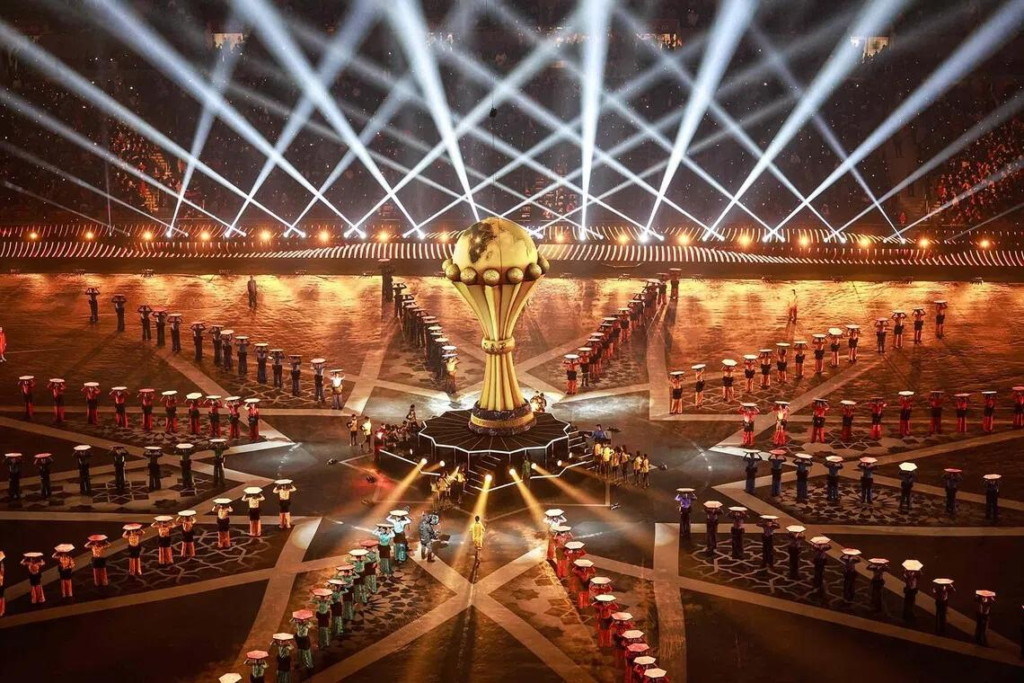
The Africa Cup of Nations (AFCON) is Africa’s premier international football tournament and one of the continent’s most celebrated sporting events. Every edition brings together the best national teams in Africa, showcasing world-class talent, passionate supporters, and unforgettable moments.
From legendary champions to emerging football nations, AFCON has become a tournament where every match carries enormous significance. But how exactly does the competition work? How do teams qualify, and what happens after the group stage?
In this guide, we’ll explain the complete AFCON format, qualification process, and tournament structure in a simple and easy-to-follow way.
What Is the Africa Cup of Nations?
The Africa Cup of Nations is the official men’s international championship organized by the Confederation of African Football (CAF).
The tournament determines the best national team in Africa and is held every two years.
Since its first edition in 1957, AFCON has grown into one of the biggest football competitions outside the FIFA World Cup, featuring many of the continent’s greatest players.
How Many Teams Play in AFCON?

The modern Africa Cup of Nations features 24 national teams.
These teams qualify through a lengthy qualification campaign before earning a place in the final tournament.
The qualified teams are divided into:
- 6 groups
- 4 teams in each group
This format has been used since the competition expanded from 16 to 24 teams in 2019.
How Do Teams Qualify?
Qualification begins many months before the tournament itself.
National teams compete in the AFCON Qualifiers, where they are drawn into qualifying groups.
During qualification:
- Teams play home and away matches.
- Every team faces each opponent twice.
- A win earns 3 points.
- A draw earns 1 point.
- A loss earns 0 points.
After all fixtures have been completed, the highest-ranked teams from each qualifying group secure their place in the Africa Cup of Nations.
Depending on the edition, the host nation may automatically qualify while still participating in qualifying matches for scheduling purposes.
The Group Stage

Once the tournament begins, the 24 qualified teams are split into six groups.
Each nation plays:
- Three matches
- One game against every other team in its group
Teams are ranked according to:
- Points
- Goal difference
- Goals scored
- Official CAF tiebreakers
At the end of the group stage:
- The top two teams from each group qualify automatically.
- The four best third-placed teams also advance.
That leaves 16 teams progressing to the knockout rounds.
Group Stage Overview
| Format | Details |
|---|---|
| Total Teams | 24 |
| Groups | 6 |
| Teams per Group | 4 |
| Matches per Team | 3 |
| Teams Advancing | Top 2 + 4 Best Third-Placed Teams |
This format rewards consistency while also giving strong third-placed teams a chance to continue.
How Are Ties Broken?

If two or more teams finish level on points, CAF applies official tiebreakers.
These generally include:
- Goal difference
- Goals scored
- Head-to-head results
- Fair play record
- Drawing of lots (if necessary)
Because of these rules, every goal scored during the group stage can have a major impact on qualification.
The Knockout Stage
After the group phase, AFCON becomes a straight knockout tournament.
The rounds include:
- Round of 16
- Quarter-finals
- Semi-finals
- Third-place playoff
- Final
Every knockout match must produce a winner.
If the score remains level after normal time, tournament regulations determine whether the game proceeds to extra time followed by penalties, or directly to a penalty shootout depending on the competition rules for that edition.
One defeat means elimination, making every match incredibly intense.
Why AFCON Is One of Football’s Most Competitive Tournaments
Unlike competitions dominated by only a handful of nations, AFCON is famous for producing surprises.
Reasons include:
- Rapid football development across Africa
- Passionate home supporters
- Different tactical approaches
- Strong domestic leagues
- More African players competing in Europe’s biggest leagues
These factors make every edition unpredictable.
Most Successful Nations

Several countries have built remarkable histories in the competition.
| Nation | AFCON Titles |
|---|---|
| Egypt | 7 |
| Cameroon | 5 |
| Ghana | 4 |
| Nigeria | 3 |
| Ivory Coast | 3 |
| Algeria | 2 |
These teams have consistently ranked among Africa’s football powerhouses.
Why Winning AFCON Matters
Winning the Africa Cup of Nations is one of the highest honors in African football.
Success brings:
- Continental recognition
- National pride
- Increased player visibility
- Valuable FIFA ranking points
- A lasting football legacy
For many players, lifting the AFCON trophy is the greatest achievement of their international careers.
Interesting AFCON Facts
- The first Africa Cup of Nations took place in 1957.
- The tournament expanded from 16 teams to 24 teams in 2019.
- AFCON is organized by the Confederation of African Football (CAF).
- Many of Africa’s greatest football legends first gained international recognition through this competition.
- Millions of supporters across Africa and beyond watch every edition, making AFCON one of the continent’s biggest sporting events.
Frequently Asked Questions

How many teams qualify for AFCON?
Twenty-four national teams qualify for the final tournament.
How many teams advance from the group stage?
The top two teams from each group, along with the four best third-placed teams, advance to the Round of 16.
How often is AFCON played?
The Africa Cup of Nations is generally held every two years.
Who has won the most AFCON titles?
Egypt holds the record with seven Africa Cup of Nations titles.
Final Thoughts
The Africa Cup of Nations combines elite talent, passionate supporters, and fierce competition into one of international football’s most exciting tournaments. Its 24-team format, demanding qualification campaign, and dramatic knockout rounds ensure that every edition delivers unforgettable moments.
Whether you’re supporting traditional giants like Egypt, Nigeria, Cameroon, and Ivory Coast, or cheering for an emerging football nation, understanding how AFCON works makes every match even more enjoyable. As African football continues to grow on the global stage, the Africa Cup of Nations remains the ultimate showcase of the continent’s talent, passion, and footballing excellence.