

Few moments in football create as much excitement and tension as stoppage time. Whether it’s a last-minute winner, a dramatic equalizer, or a title-deciding goal, some of the sport’s most unforgettable moments happen after the clock reaches 90 minutes.
Many new football fans often wonder why referees continue matches beyond the official playing time. If a half is supposed to last 45 minutes, why do we sometimes see 3, 5, 8, or even 12 additional minutes?
The answer lies in what football calls stoppage time, also known as added time or injury time.
Let’s break down exactly what stoppage time is, how it’s calculated, and why it’s such an important part of modern football.
Quick Answer: What Is Stoppage Time in Football?
| Question | Answer |
|---|---|
| What Is Stoppage Time? | Additional minutes added at the end of a half |
| Why Is It Added? | To compensate for lost playing time |
| Who Decides It? | The referee |
| Is It Exact? | No |
| Does Every Match Have It? | Usually Yes |
What Is Stoppage Time?

Stoppage time is extra time added by the referee at the end of each half to make up for interruptions that occurred during play.
Football’s clock continues running even when the ball isn’t in play. Because of this, referees add additional minutes to ensure teams receive approximately the full amount of playing time.
Without stoppage time, teams could waste valuable minutes through injuries, substitutions, or deliberate delays.
Why Is Stoppage Time Added?
Throughout a football match, many events stop the action.
The referee keeps track of these interruptions and adds extra minutes accordingly.
Common Reasons for Stoppage Time
| Reason | Added Time? |
|---|---|
| Injuries | ✅ Yes |
| Substitutions | ✅ Yes |
| Goal Celebrations | ✅ Yes |
| VAR Reviews | ✅ Yes |
| Time-Wasting | ✅ Yes |
| Crowd Delays | ✅ Yes |
All these interruptions reduce actual playing time.
How Does the Referee Calculate Stoppage Time?
There is no exact formula.
The referee continuously tracks delays throughout the match and estimates the appropriate amount of added time.
Factors Considered
✅ Injury treatment
✅ Number of substitutions
✅ VAR interventions
✅ Delays restarting play
✅ Time-wasting incidents
The final figure is based on the referee’s judgment.
Who Announces Stoppage Time?

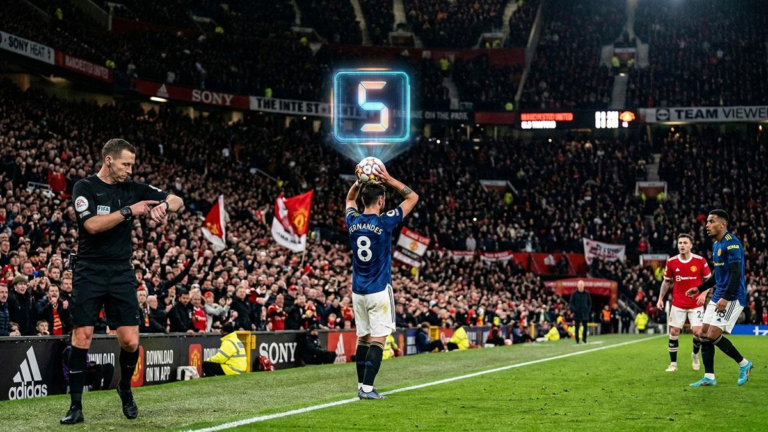
Near the end of each half, the fourth official displays an electronic board showing the minimum amount of additional time.
Important Detail
The board shows:
Minimum Added Time
This means the referee can extend it further if new delays occur during stoppage time itself.
How Much Stoppage Time Is Usually Added?
The amount varies from match to match.
Typical Added Time
| Situation | Added Time |
|---|---|
| Quiet First Half | 1-3 Minutes |
| Several Substitutions | 3-5 Minutes |
| Injury Delays | 5-8 Minutes |
| VAR Reviews | 6-10 Minutes |
| Major Interruptions | 10+ Minutes |
Recent tournaments have seen significantly longer stoppage times than in the past.
Why Has Stoppage Time Increased Recently?
Football authorities have encouraged referees to account more accurately for lost time.
As a result, matches now frequently feature longer periods of added time.
Modern Focus
- Reduce time-wasting
- Increase actual playing time
- Improve fairness
- Reward attacking football
This change became especially noticeable during recent World Cup tournaments.
Can Goals Be Scored During Stoppage Time?
Absolutely.
Goals scored during stoppage time count exactly the same as goals scored during regular time.
In fact, many legendary football moments happened during added time.
Famous Stoppage-Time Moments
✅ Last-minute winners
✅ Dramatic equalizers
✅ Championship-clinching goals
✅ Historic comebacks
These moments often become part of football history.
Does Stoppage Time Exist in Both Halves?
Yes.
The referee can add time at the end of:
Match Periods
| Half | Stoppage Time Possible? |
|---|---|
| First Half | ✅ Yes |
| Second Half | ✅ Yes |
| Extra Time First Half | ✅ Yes |
| Extra Time Second Half | ✅ Yes |
Any period of play can include added time.
Stoppage Time vs Extra Time

Many fans confuse these two concepts.
Key Differences
| Stoppage Time | Extra Time |
|---|---|
| Added to every half | Used only in knockout games |
| Compensates for delays | Used to find a winner |
| Usually a few minutes | 30 minutes total |
| Part of normal match | Separate playing period |
They are completely different rules.
Can the Referee End the Match Early?
No.
The referee cannot finish before the announced minimum added time has been played.
However, they may allow a few extra seconds for an attacking move or corner kick.
This is one reason matches sometimes end slightly after the displayed time.
Common Myths About Stoppage Time
| Myth | Reality |
|---|---|
| Added time is always exact | ❌ False |
| Referees guess randomly | ❌ False |
| Goals don’t count in stoppage time | ❌ False |
| Only injuries create added time | ❌ False |
| The match must end exactly at the displayed minute | ❌ False |
Understanding these myths helps fans better follow football matches.
Why Stoppage Time Is So Important
Stoppage time protects the integrity of the game.
Without it, teams could deliberately waste time and gain unfair advantages.
Benefits
✅ Maintains fairness
✅ Discourages time-wasting
✅ Increases actual playing time
✅ Creates dramatic moments
It’s one of the reasons football remains competitive until the very last whistle.
Quick Summary
| Topic | Key Point |
|---|---|
| Stoppage Time Meaning | Added minutes after delays |
| Who Decides? | Referee |
| Why Is It Added? | Recover lost time |
| Used In Every Match? | Usually Yes |
| Goals Count? | ✅ Yes |
Final Thoughts
Stoppage time is one of football’s most important rules because it ensures teams receive a fair amount of playing time despite interruptions throughout the match. While some fans see it simply as “extra minutes,” it often becomes the stage for football’s most dramatic moments.
From title-winning goals to unforgettable comebacks, stoppage time reminds everyone that a football match isn’t over until the referee blows the final whistle.