
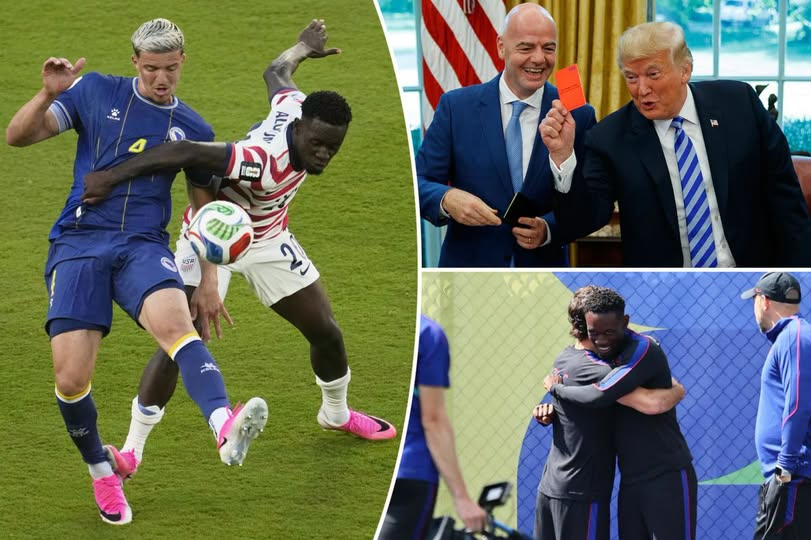
Just days before the United States’ crucial FIFA World Cup Round of 16 clash against Belgium, FIFA made one of the tournament’s most controversial decisions by suspending Folarin Balogun’s one-match ban. The ruling means Mauricio Pochettino’s leading striker is now eligible to play despite receiving a straight red card against Bosnia and Herzegovina.
The unexpected decision has divided opinion across the football world. While the USA welcome the return of one of their most dangerous attackers, many supporters and pundits have questioned why FIFA chose to suspend the punishment after the tournament had already moved into the knockout stage.
What Happened Against Bosnia and Herzegovina?
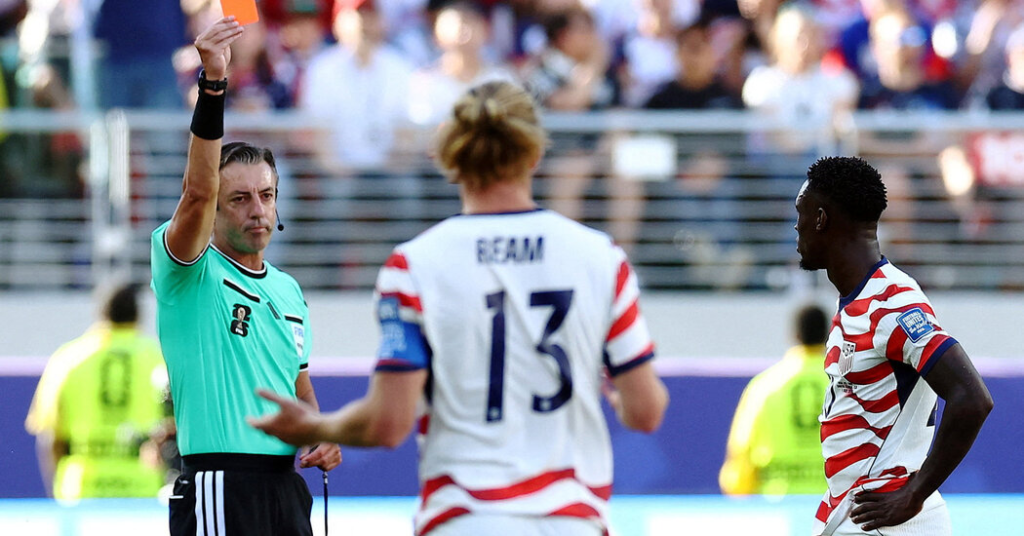
Balogun was sent off during the United States’ Round of 32 victory after catching Bosnia defender Tarik Muharemovic with a late challenge.
The incident initially appeared to deserve only a caution, but after a lengthy VAR review, the referee upgraded the punishment to a straight red card.
Although the challenge was clearly dangerous, many observers argued there was no intent from the striker, who appeared to step on his opponent’s ankle accidentally while attempting to play the ball.
The dismissal sparked immediate frustration inside the American camp, with many believing the punishment was too severe considering the nature of the incident.
FIFA’s Decision Explained
Instead of forcing Balogun to serve an automatic suspension against Belgium, FIFA announced that the one-match ban would be suspended under its disciplinary regulations.
The punishment has effectively been placed on probation for one year.
This means Balogun remains available for selection immediately, but if he commits another similar disciplinary offence during the probation period, the suspended ban can still be activated alongside any additional punishment.
The decision surprised many because direct red cards at major tournaments are normally followed by automatic suspensions.
However, FIFA’s disciplinary code allows exceptional circumstances where sanctions can be suspended rather than enforced immediately.
Why Was The Ban Suspended?
FIFA has not publicly provided a detailed explanation for why Balogun’s case qualified for a suspended sanction.
Many analysts believe the disciplinary committee may have considered several factors, including:
- The challenge appeared accidental rather than violent.
- Balogun had no obvious intention to injure his opponent.
- The incident resulted from normal play rather than aggressive misconduct.
- His disciplinary record may also have been taken into account.
Despite those possibilities, the lack of a detailed explanation has left many supporters demanding greater transparency.
Reports of Political Interest
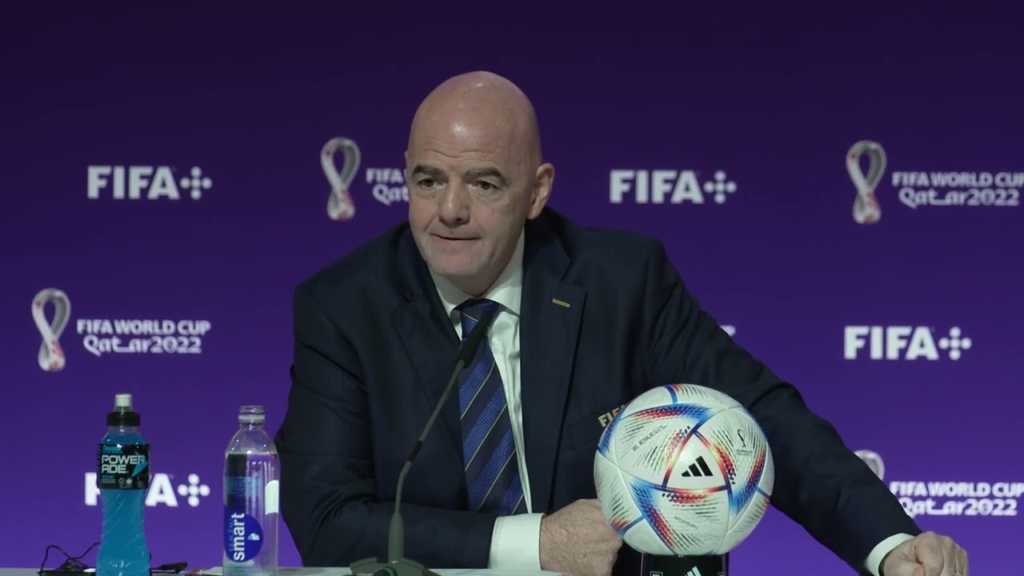
The controversy grew even further following reports suggesting officials connected to the White House contacted FIFA requesting a review of the incident.
According to those reports, FIFA insisted that the final decision remained entirely independent and was made by its disciplinary committee without outside influence.
Nevertheless, the speculation has generated widespread debate across football, particularly given the close relationship between FIFA and the United States as co-hosts of the 2026 World Cup.
No official evidence has been presented showing that any political intervention affected the disciplinary outcome.
Huge Boost for the USA
Regardless of the controversy, the ruling represents excellent news for Mauricio Pochettino.
Balogun has been one of the USA’s standout performers during the tournament and his availability significantly strengthens the American attack heading into their difficult meeting with Belgium.
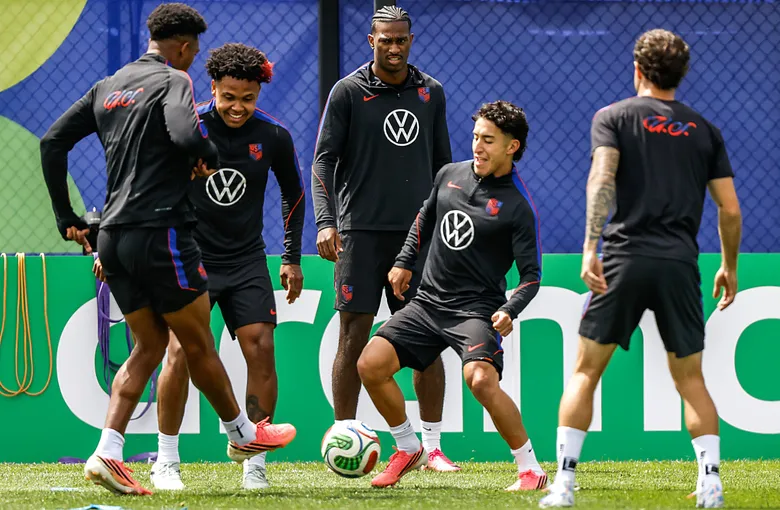
Without him, Ricardo Pepi was expected to lead the line. Instead, Pochettino now has the option of keeping his preferred attacking trio together for one of the nation’s biggest World Cup matches in more than two decades.
Against Belgium’s experienced defense, Balogun’s movement and finishing ability could become one of the decisive factors.
What It Means for Belgium
Belgium will now have to prepare for a much stronger American attack than initially expected.
The Red Devils had anticipated facing a USA side without its leading striker, but Balogun’s return forces Rudi Garcia to rethink parts of his defensive strategy.
With Christian Pulisic creating chances from wide areas and Balogun stretching defenses through the middle, Belgium’s back line faces a significantly greater challenge.
Final Thoughts
FIFA’s decision to suspend Folarin Balogun’s red-card suspension has quickly become one of the biggest talking points of the 2026 FIFA World Cup. While the disciplinary code allows such decisions under certain circumstances, the lack of a detailed explanation has fueled debate among supporters and football experts alike.
For the United States, however, the focus now shifts entirely to the pitch. With Balogun available once again, Mauricio Pochettino’s side enters the Round of 16 with renewed confidence as they attempt to eliminate Belgium and reach the World Cup quarter-finals for the first time since 2002.